
IMPACT REPORT
Reporting on 2025
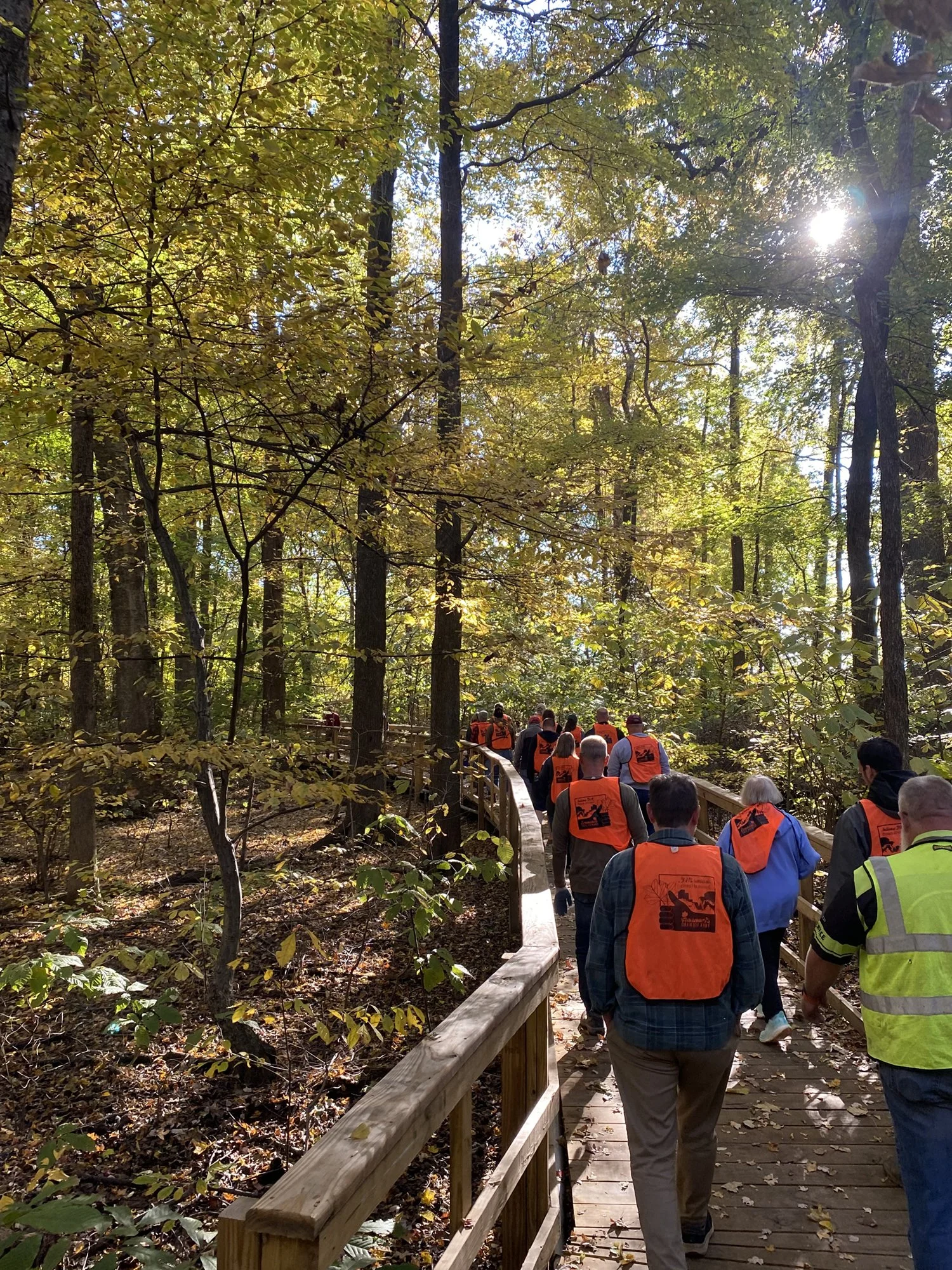
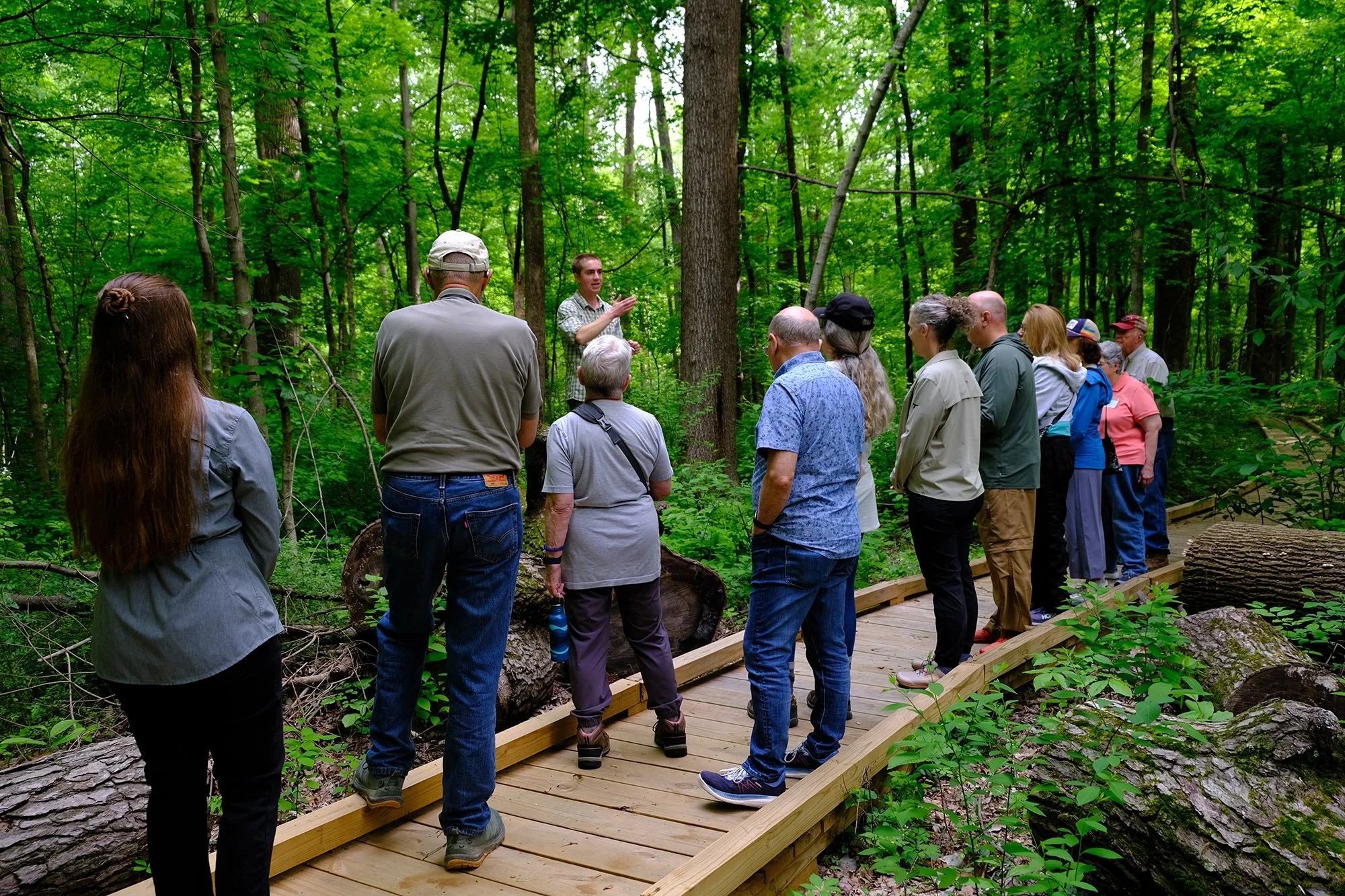
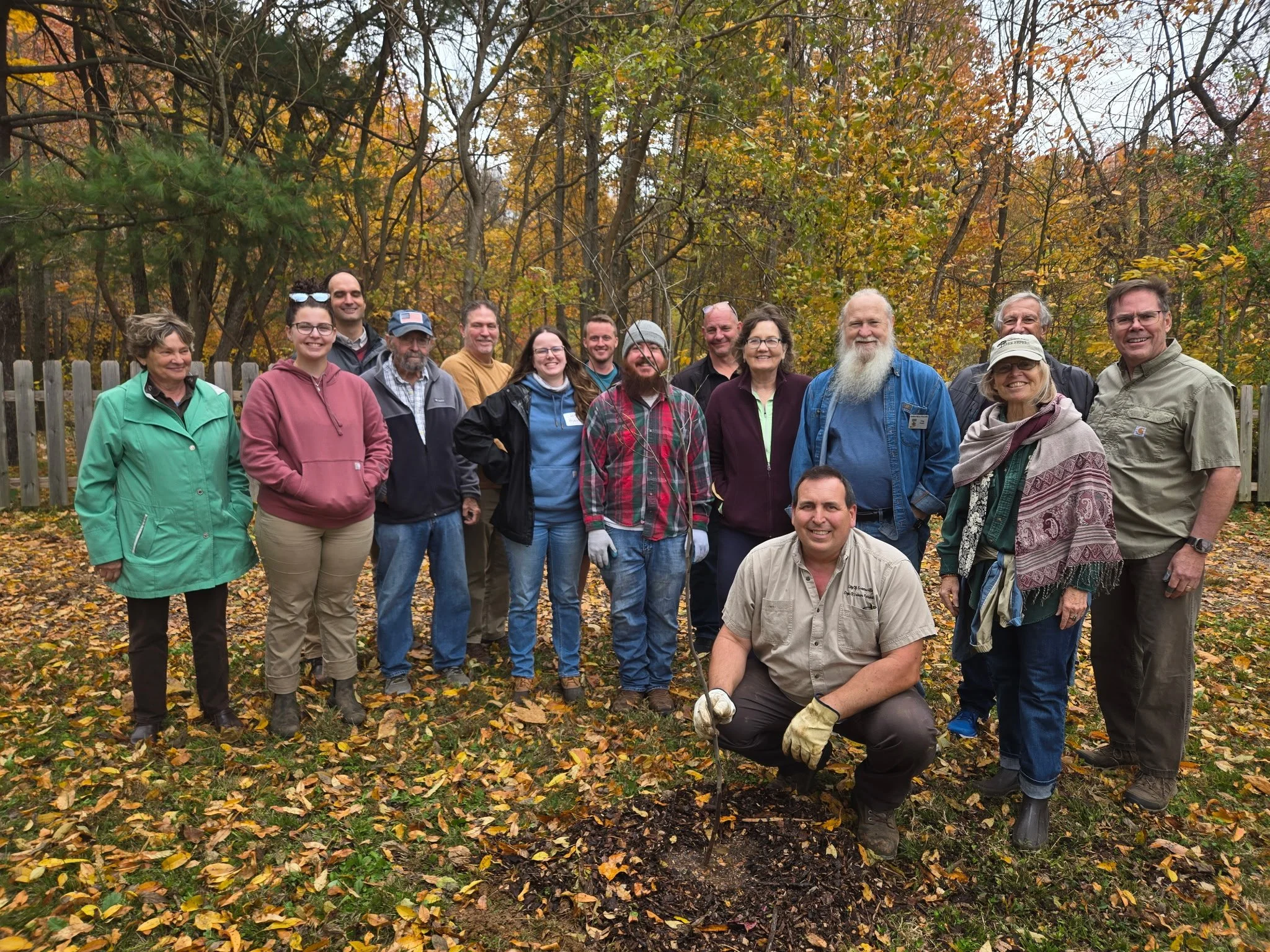
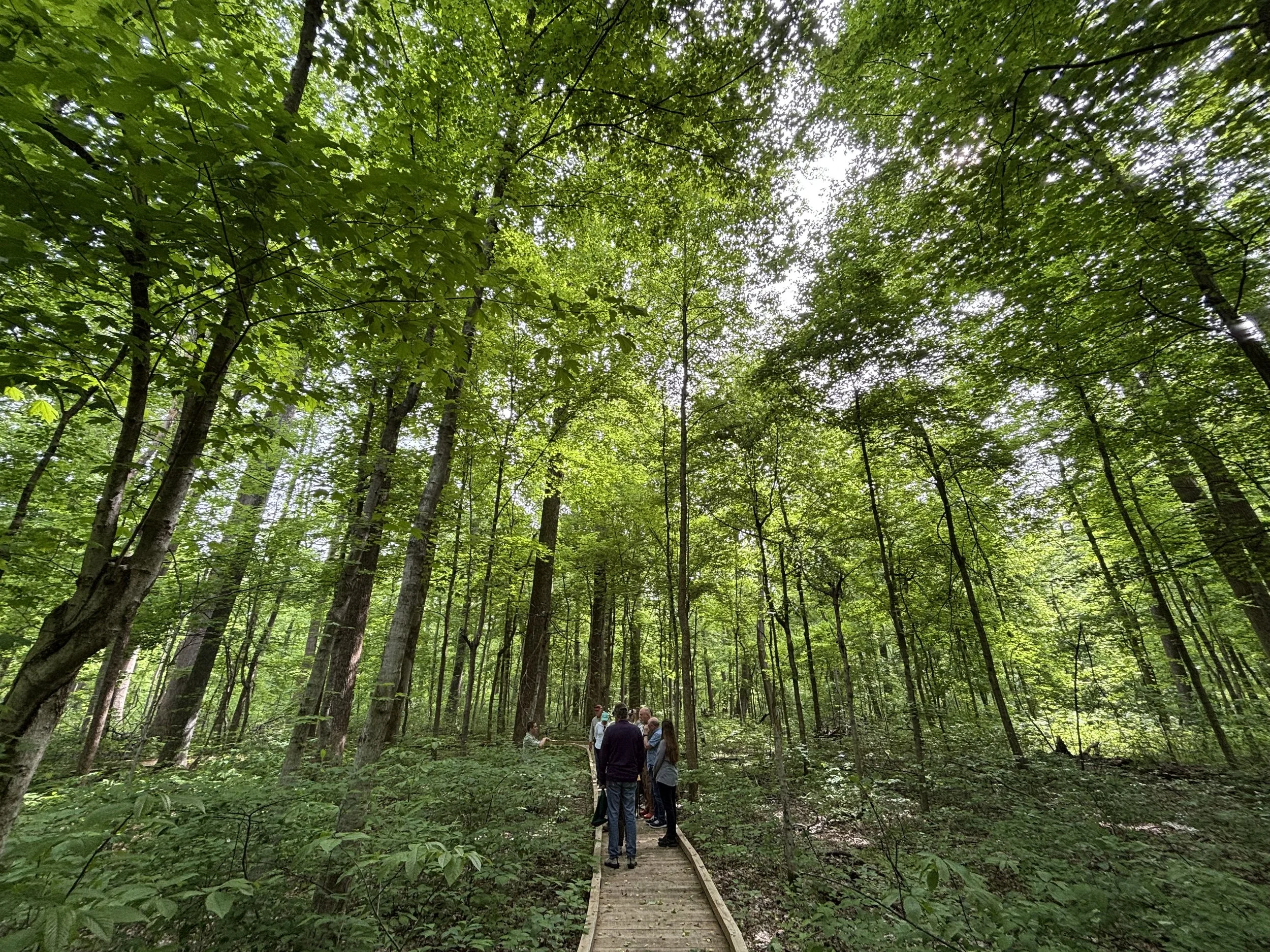
A new class of IDNR Tree Stewards hike the trails at Wesselman Woods.
Thank you for being part of the journey with Wesselman Woods in 2025. It was a year of meaningful progress, new discoveries, new opportunities, and the ongoing balancing act that comes with stewarding one of our community’s greatest natural treasures.
Every day, we navigate a unique responsibility: protecting the largest urban old-growth forest in the United States while also serving as a vibrant community destination in Evansville. Through conservation efforts, environmental education, and captivating events, we continue working to ensure this living museum remains both protected and deeply connected to the people it serves.
Beloved traditions like our Maple Sugarbush Festival remained vital to sustaining our mission, while newer experiences like Woodland Wonders helped us welcome new audiences and create fresh connections with nature.
2025 also deepened our own understanding of the forest itself. Through decades of research led by Dr. Cris Hochwender at the University of Evansville, we gained new insight into how deer overpopulation has shaped tree regeneration within the preserve.
Like many nonprofits, last year also brought change behind the scenes, including staff transitions that challenged us to adapt, grow, and stay focused. Through it all, our team remained resilient, creative, and committed to the work ahead. We are proud of what we accomplished together and we cannot wait to see what 2026 brings!
Make A Difference
Make a difference today that impacts the future.

BECOME A MEMBER
Already a member? Consider leveling up your membership.
DOWNLOAD the Report
Get your PDF copy of the short-form Impact Report.
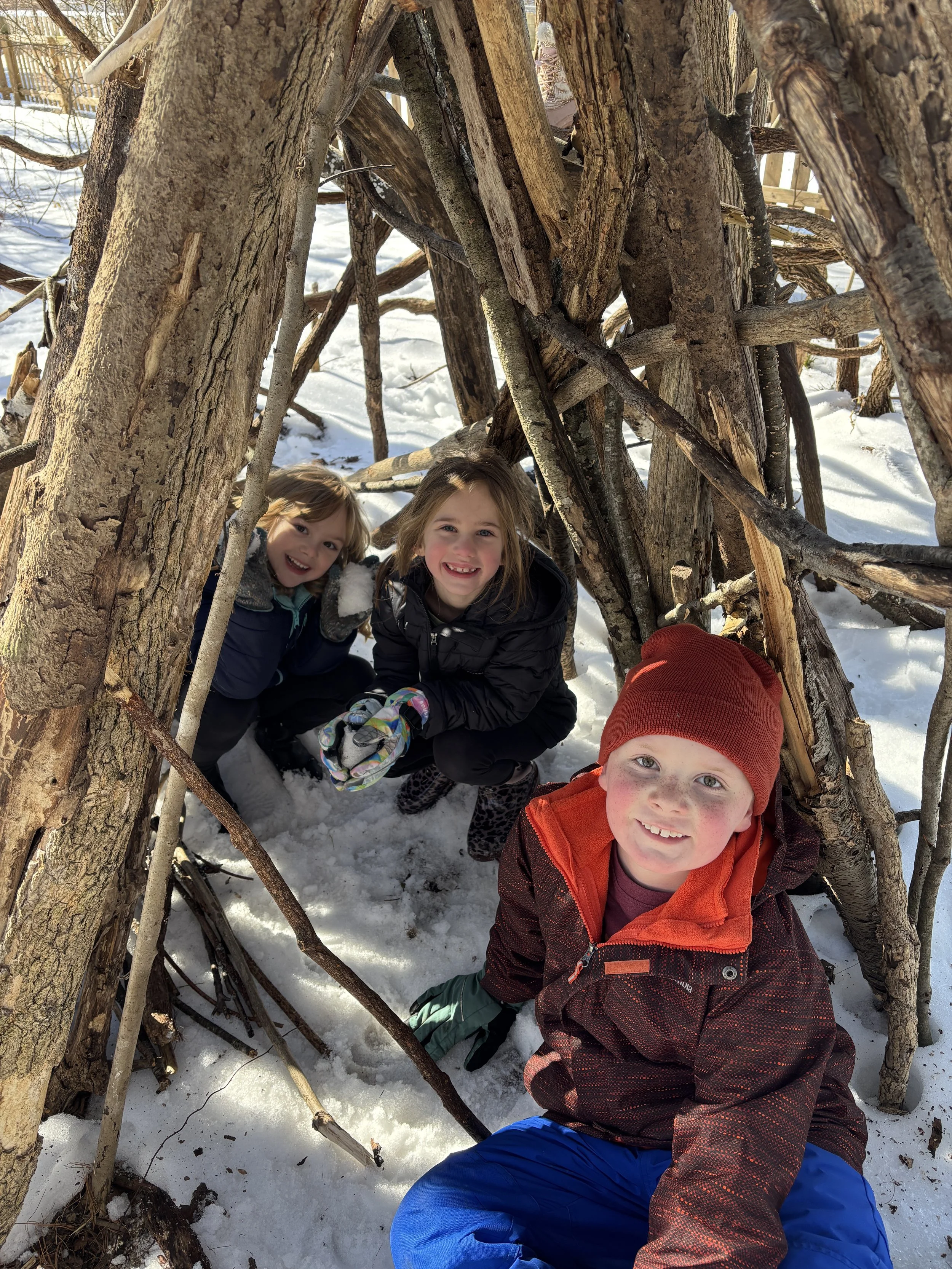
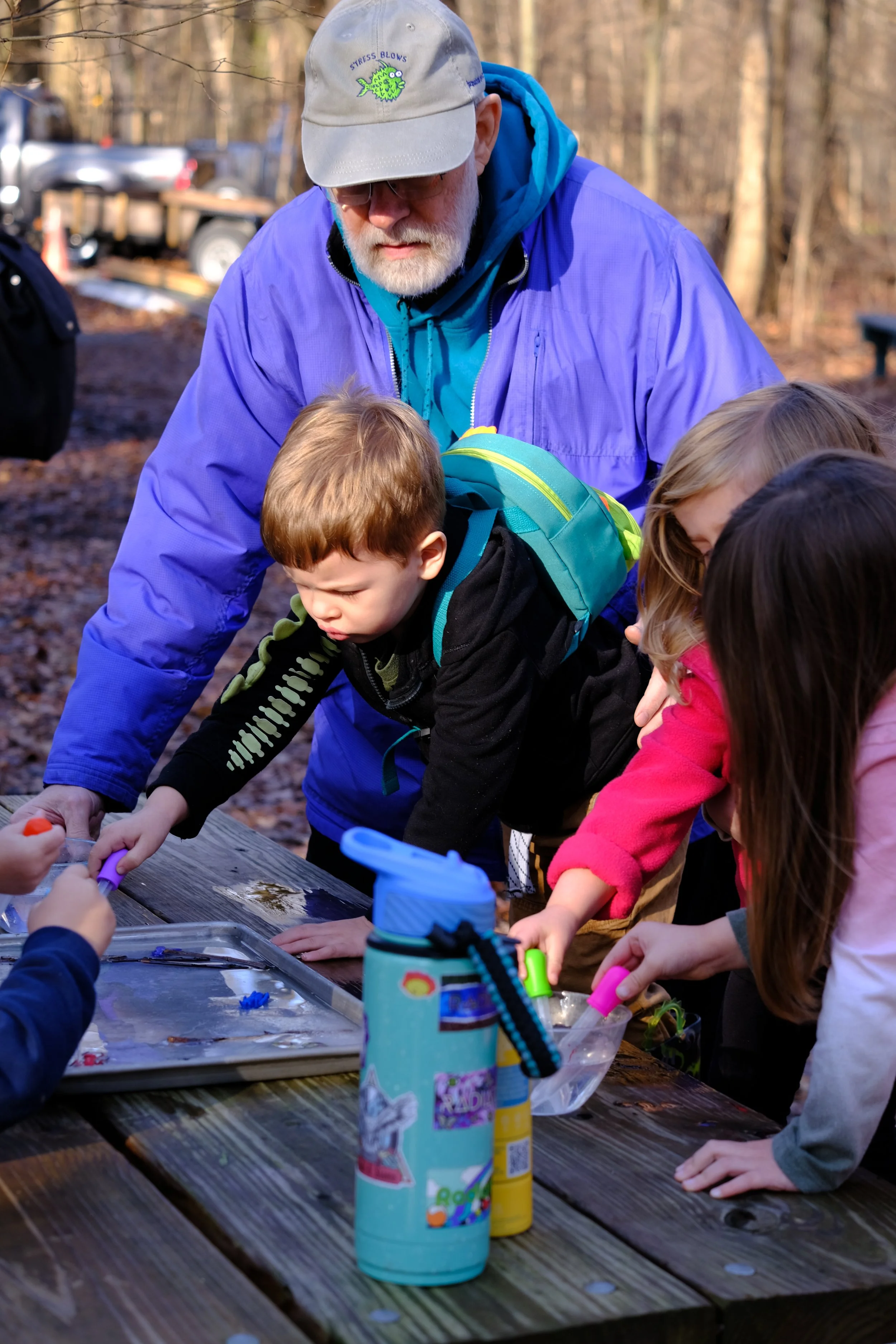
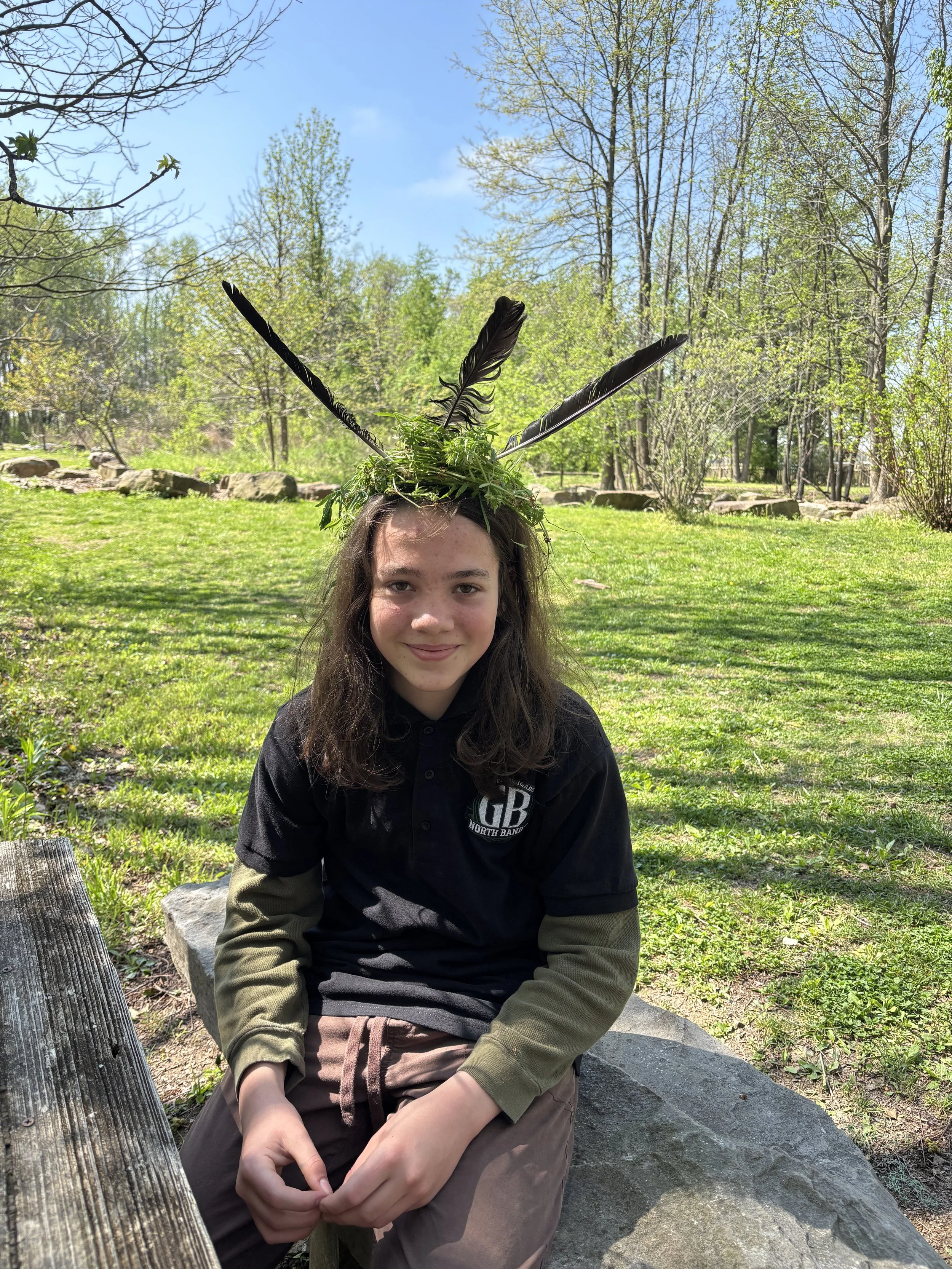
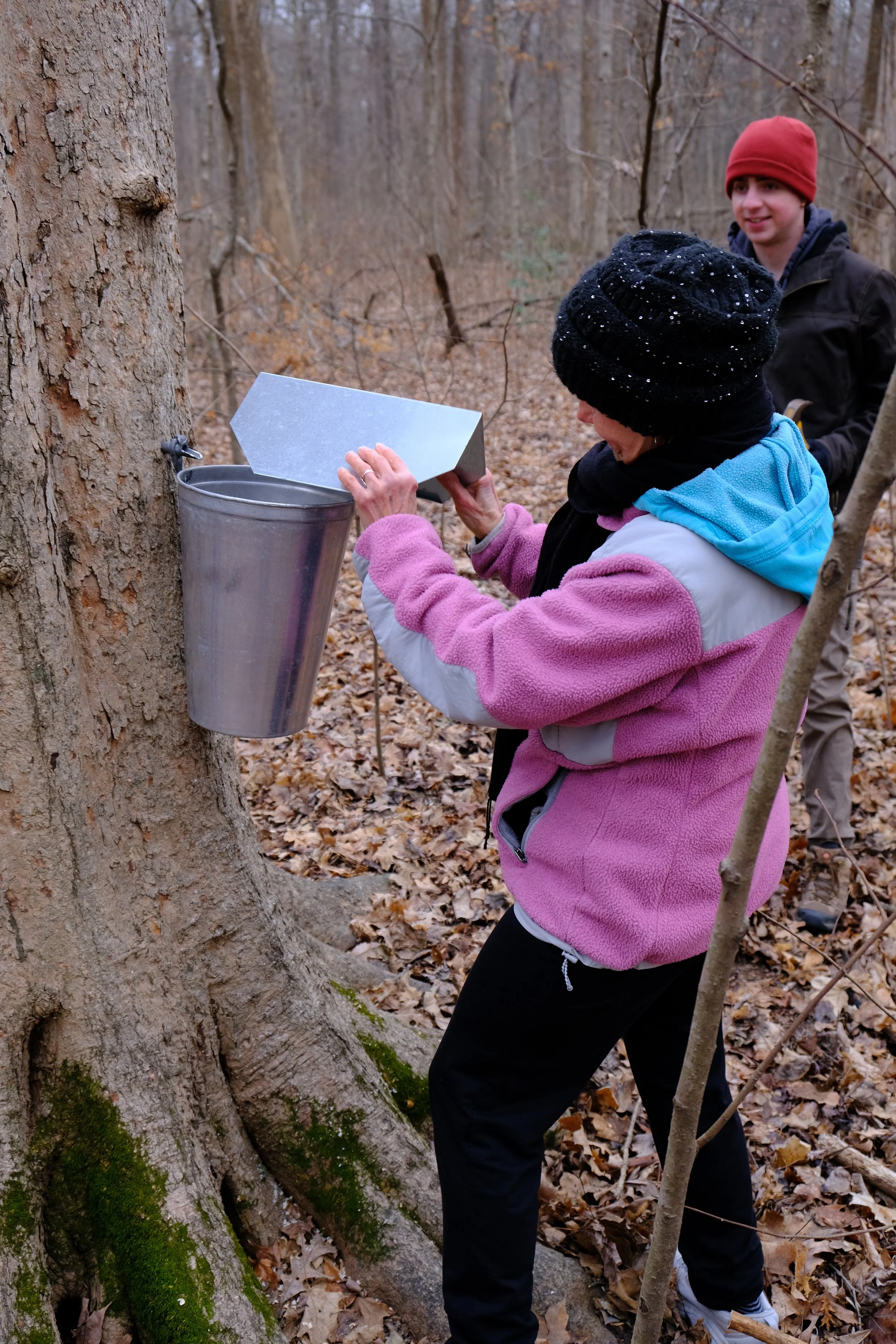
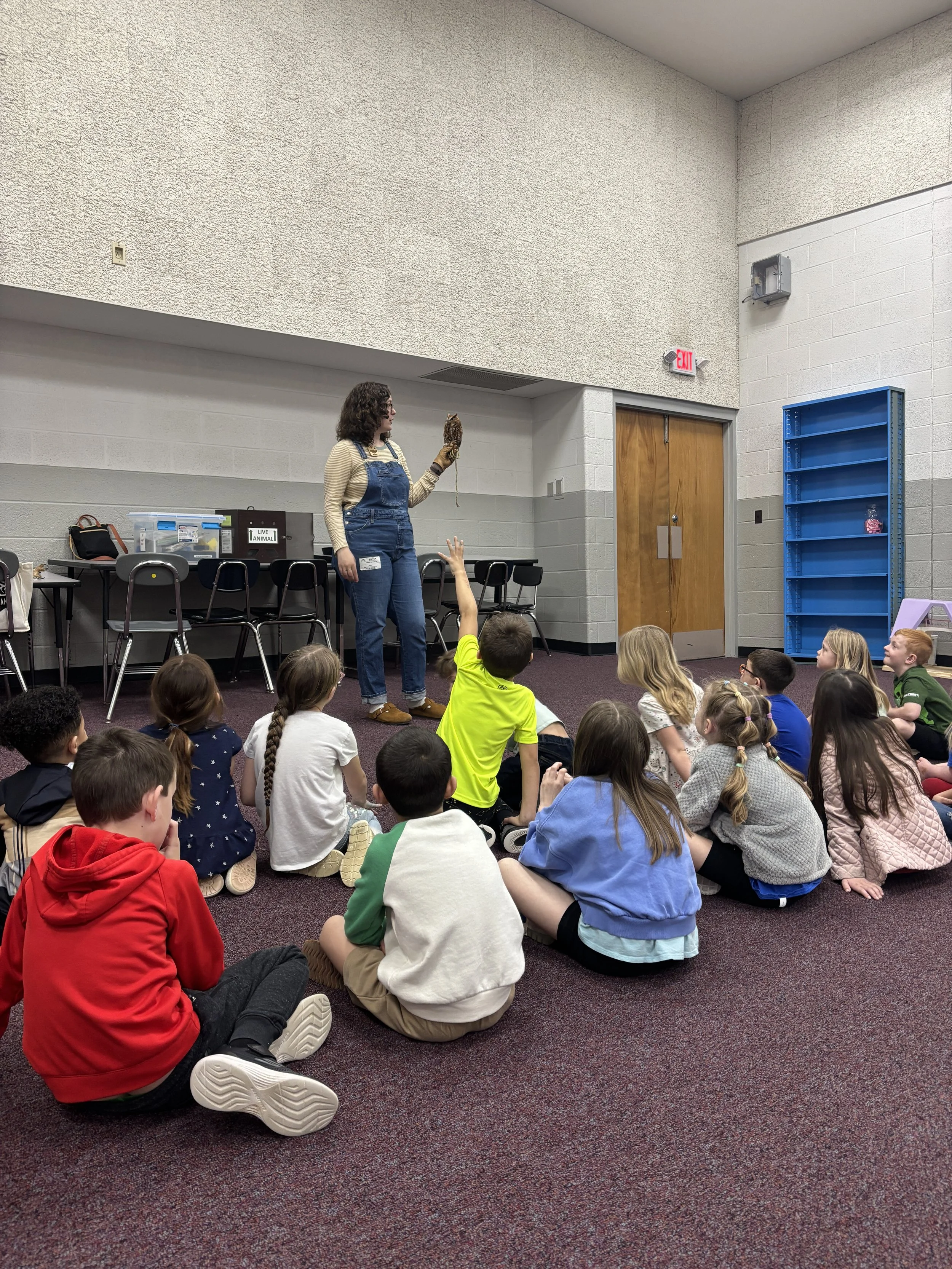
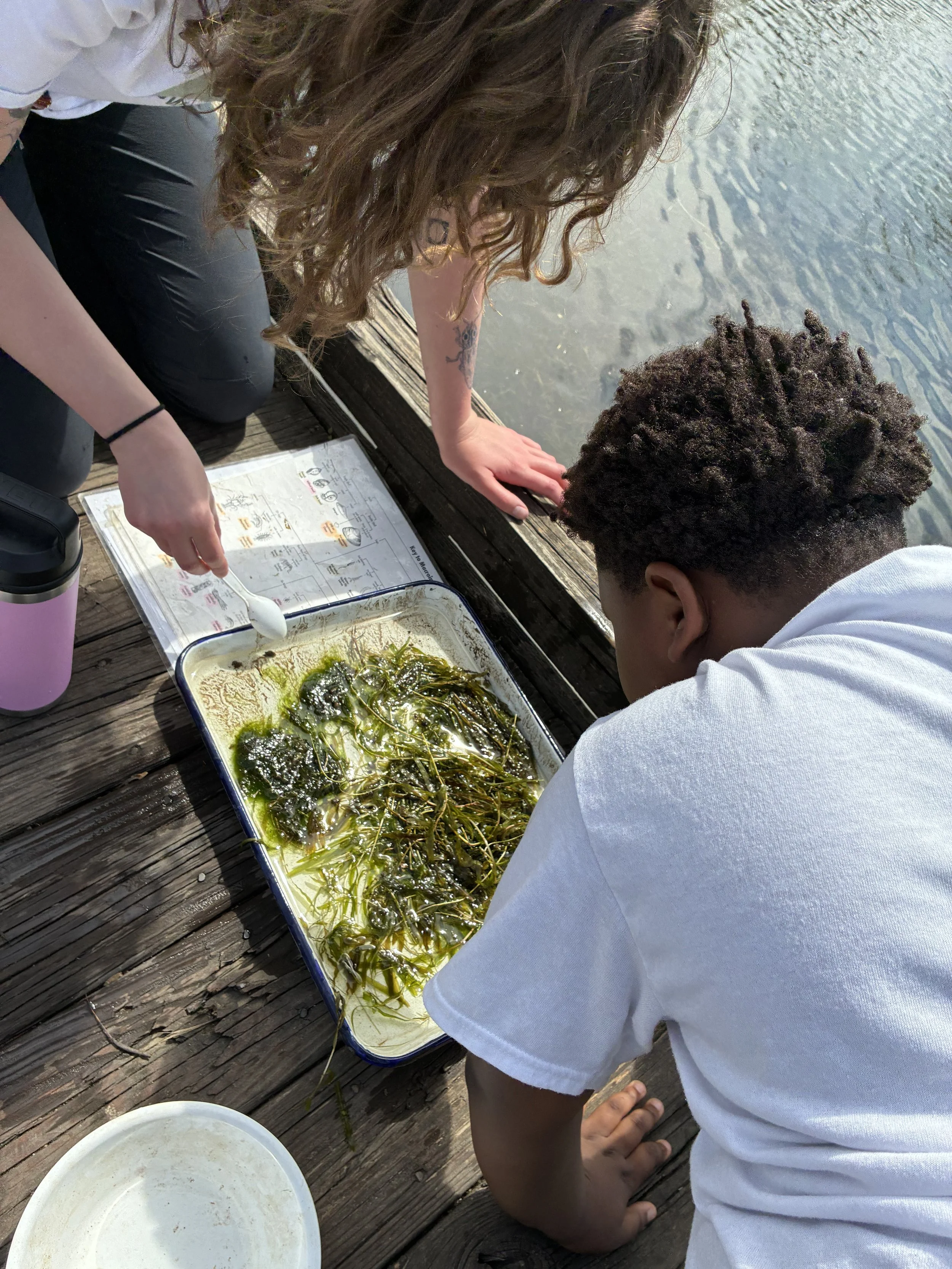
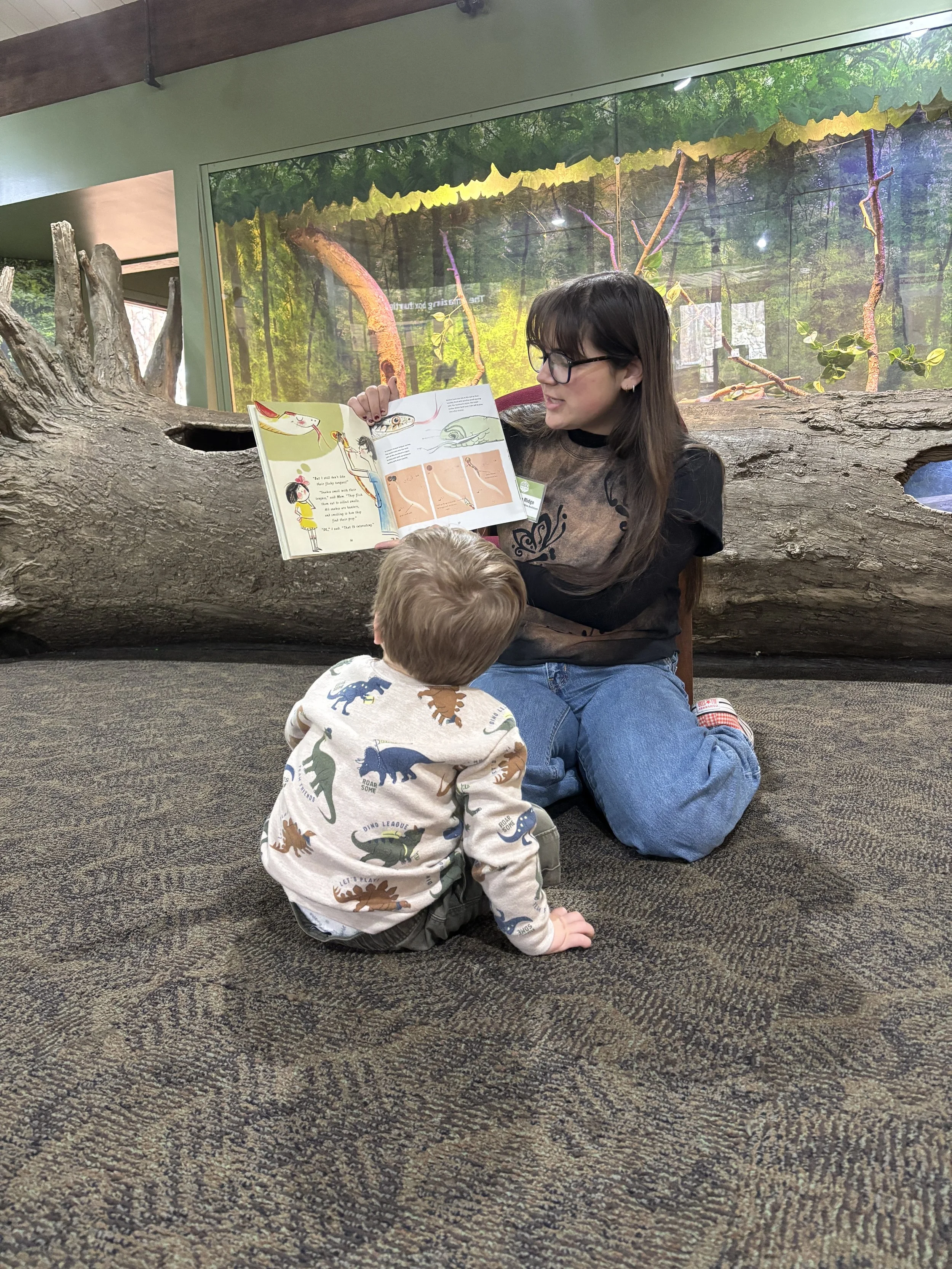
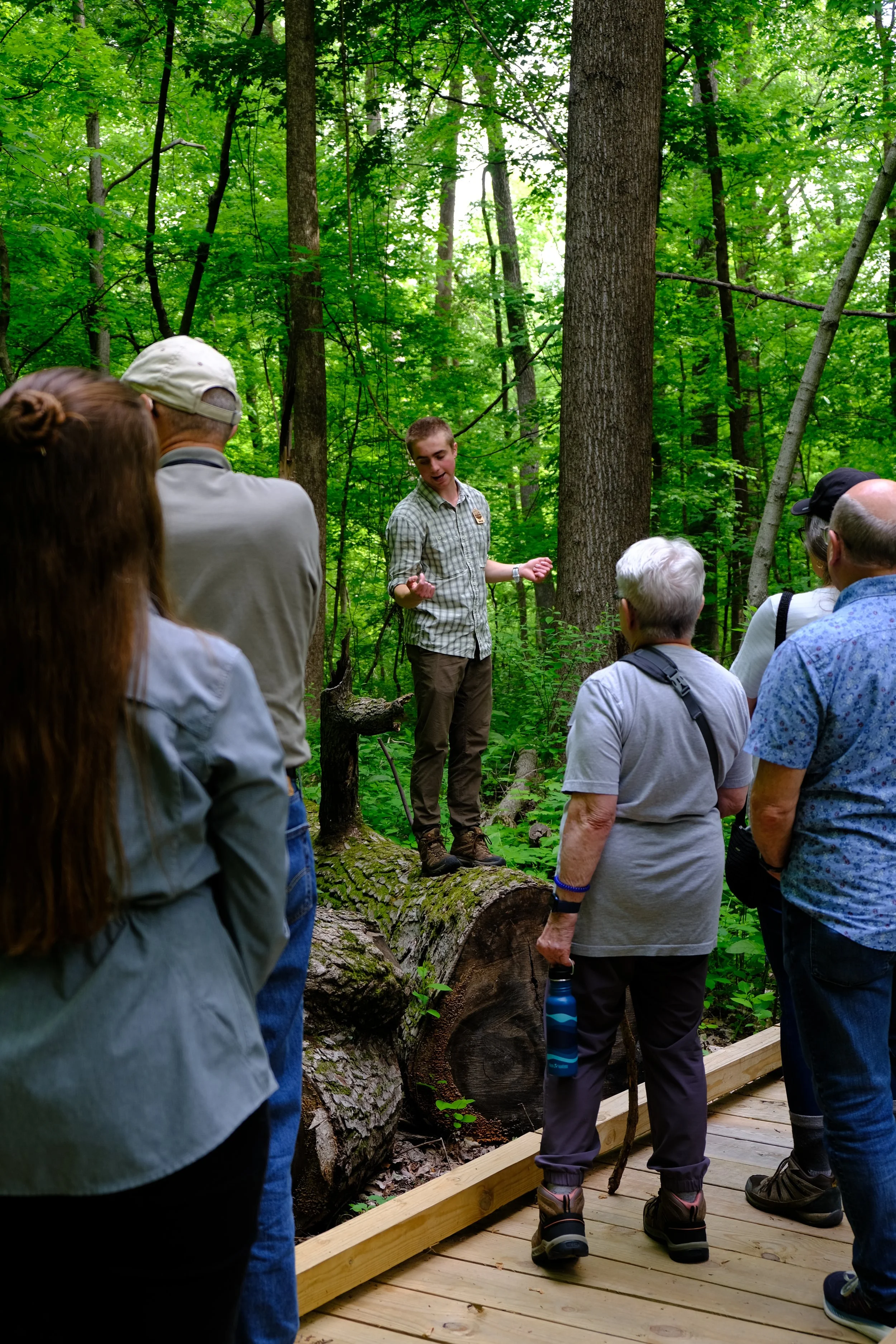
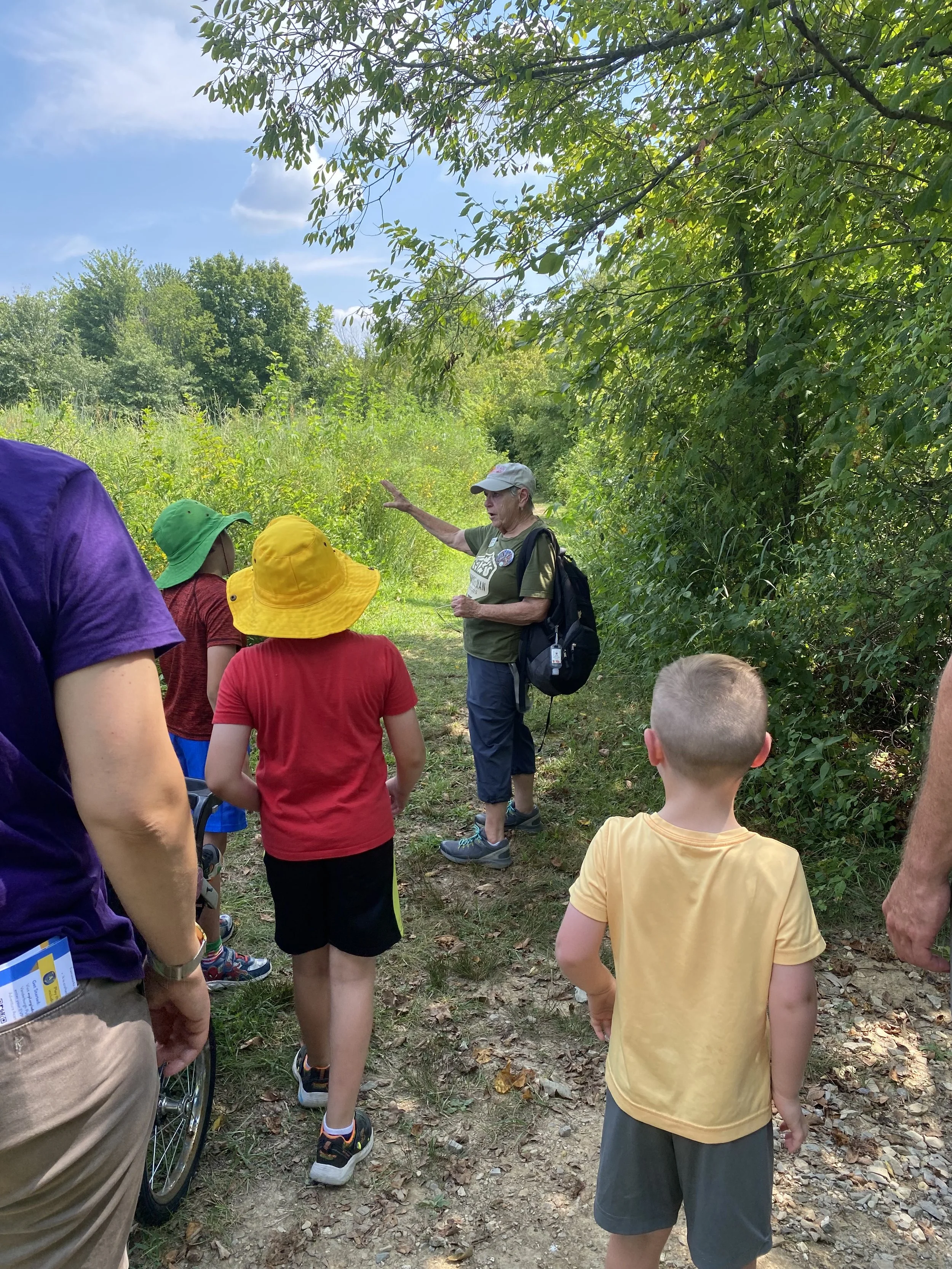
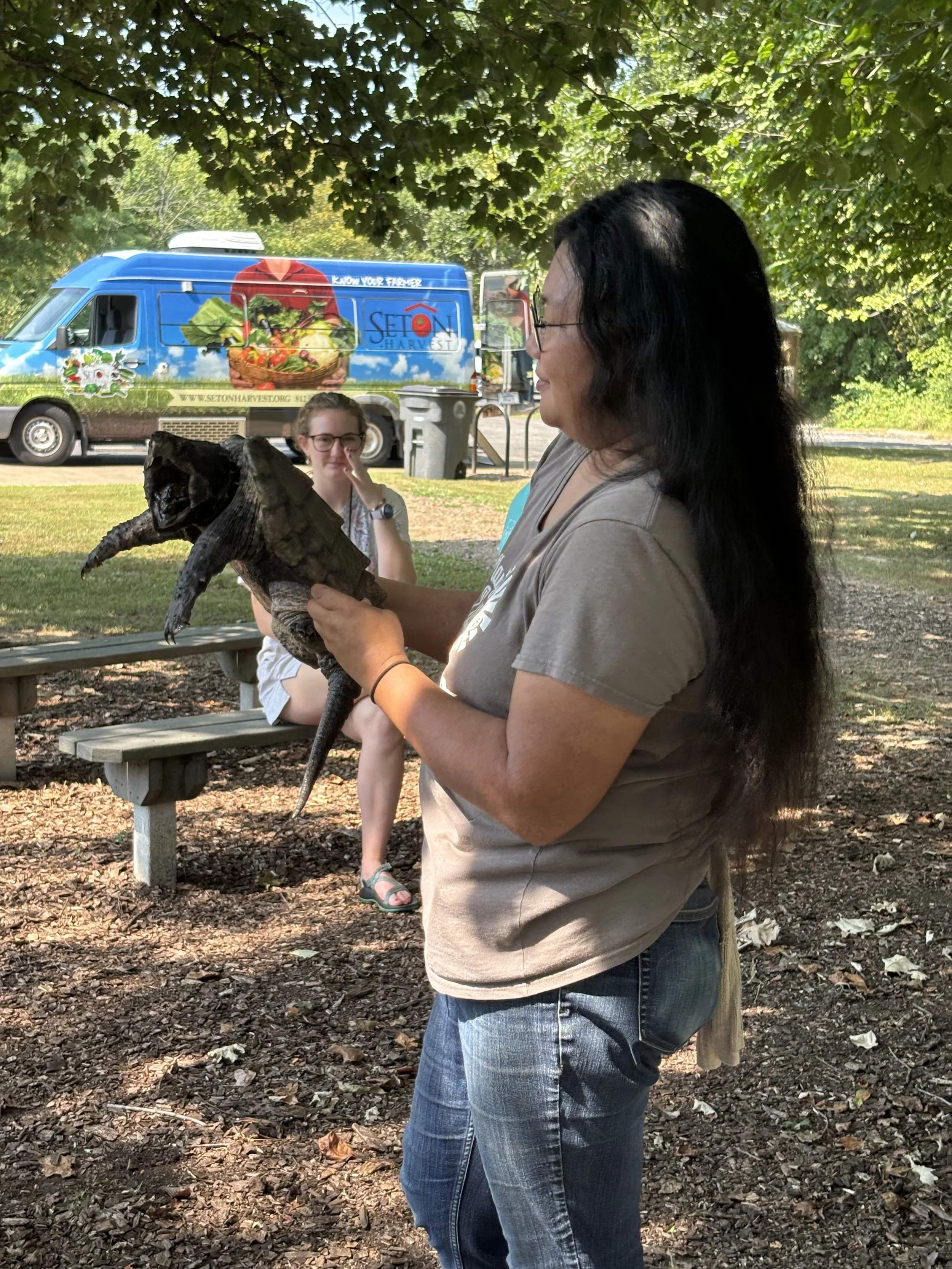
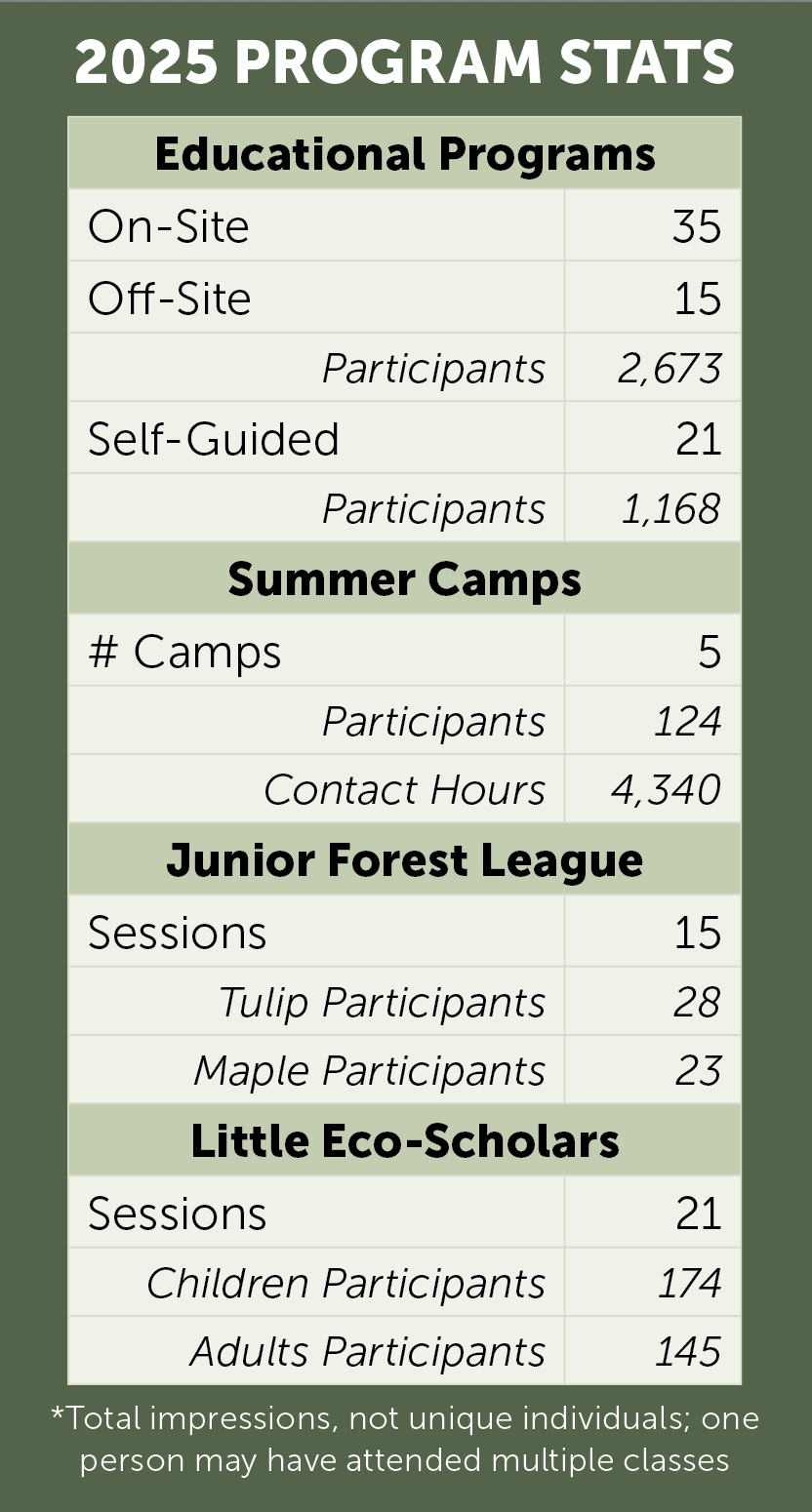
In 2025, our department established the Education Ambassador program to train volunteers to assist with programming. This enables us to meet the growing demand for our environmental programs and provide richer, nature-based experiences for children. Our educators continue to create all programming in-house to provide students with more intentional curriculum that connects directly to our local ecosystem.
Looking ahead to 2026, we aim to expand our Education Ambassador program and to increase the reach of Little Eco-Scholars and Junior Forest League—two significant programs that help develop future environmental champions.
How You Can Help
Encourage your children, friends, and family to participate in Little Eco-Scholars and Junior Forest League.
Become an Educational Ambassador to assist with guided programs.
Check out our new wishlist with goods and services you can purchase to help our education efforts.
Consider sponsoring the Environmental Education Department or donating to the Pettijohn Family Environmental Education Fund.
Sprout Initiative
In 2025, we facilitated the second and final phase of the Sprout Initiative—a pilot program in partnership with the Evansville Vanderburgh School Corporation that served 225 first grade students from Caze, Delaware, and Evans Elementary.
We offered three immersive experiences connected to their English Language (EL) bird curriculum including guided hikes, animal encounters, and exploration of our Nature Playscape.
In the future, the Sprout Initiative will be absorbed into our Eco-Access Initiative (EAI). This transition will allow any grade level from any Title I school to request free programming. Though the Sprout Initiative name will be retired, its mission and its impact will continue. Through EAI we can ensure that equitable, nature-based learning experiences remain accessible to the students who benefit from it most.
The Sprout Initiative was generously supported by the Koch Foundation, Mattingly Charities, Igleheart-Foster Fund, and Carol Moore.
Support the Pettijohn Family Environmental Education Fund
Wesselman Woods spans over 290 acres and serves as a vital environmental resource for Evansville and beyond. This nature preserve is one of the Midwest’s most treasured natural assets. With adequate funding to expand staffing, the possibilities for impactful environmental programming are boundless. We are deeply grateful to the Pettijohn Family for their generosity in establishing a new environmental education fund. Their initiative aims to inspire others to support the growth of our education team, ensuring every child in the tri-state area has the opportunity to connect with nature and develop a lifelong commitment to caring for our planet. Together, we can nurture a future where the Earth cares for us as we care for it.
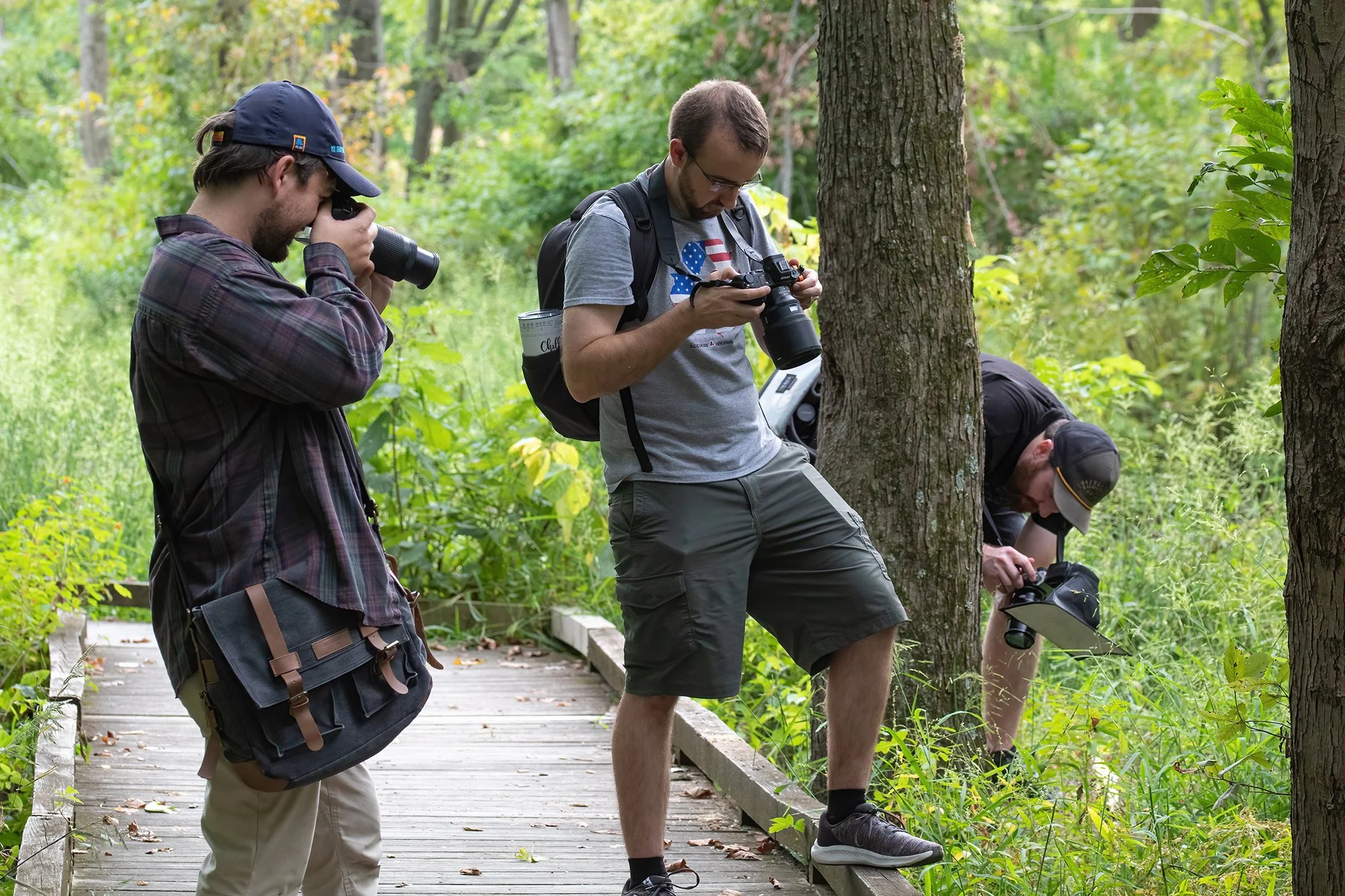
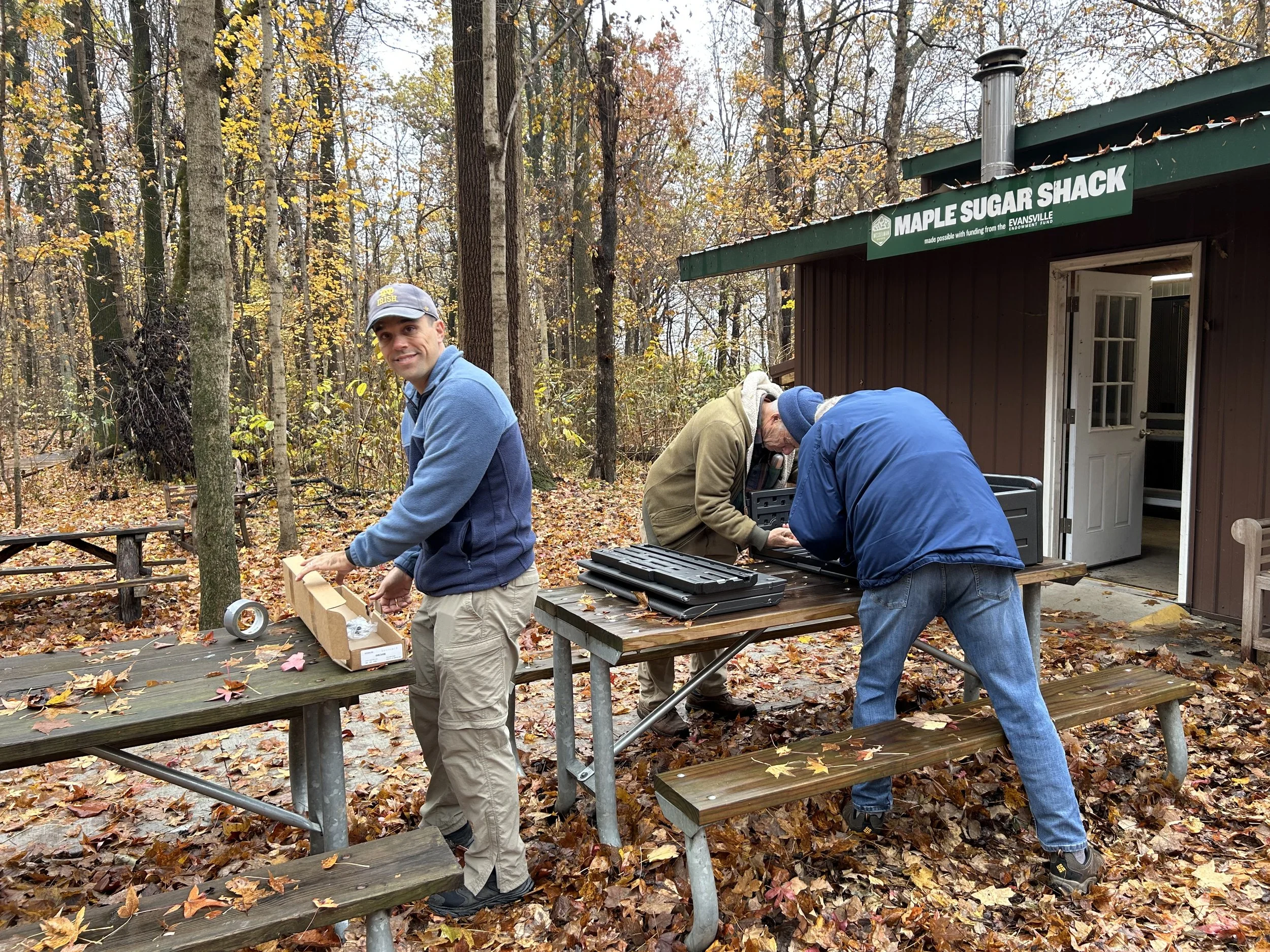
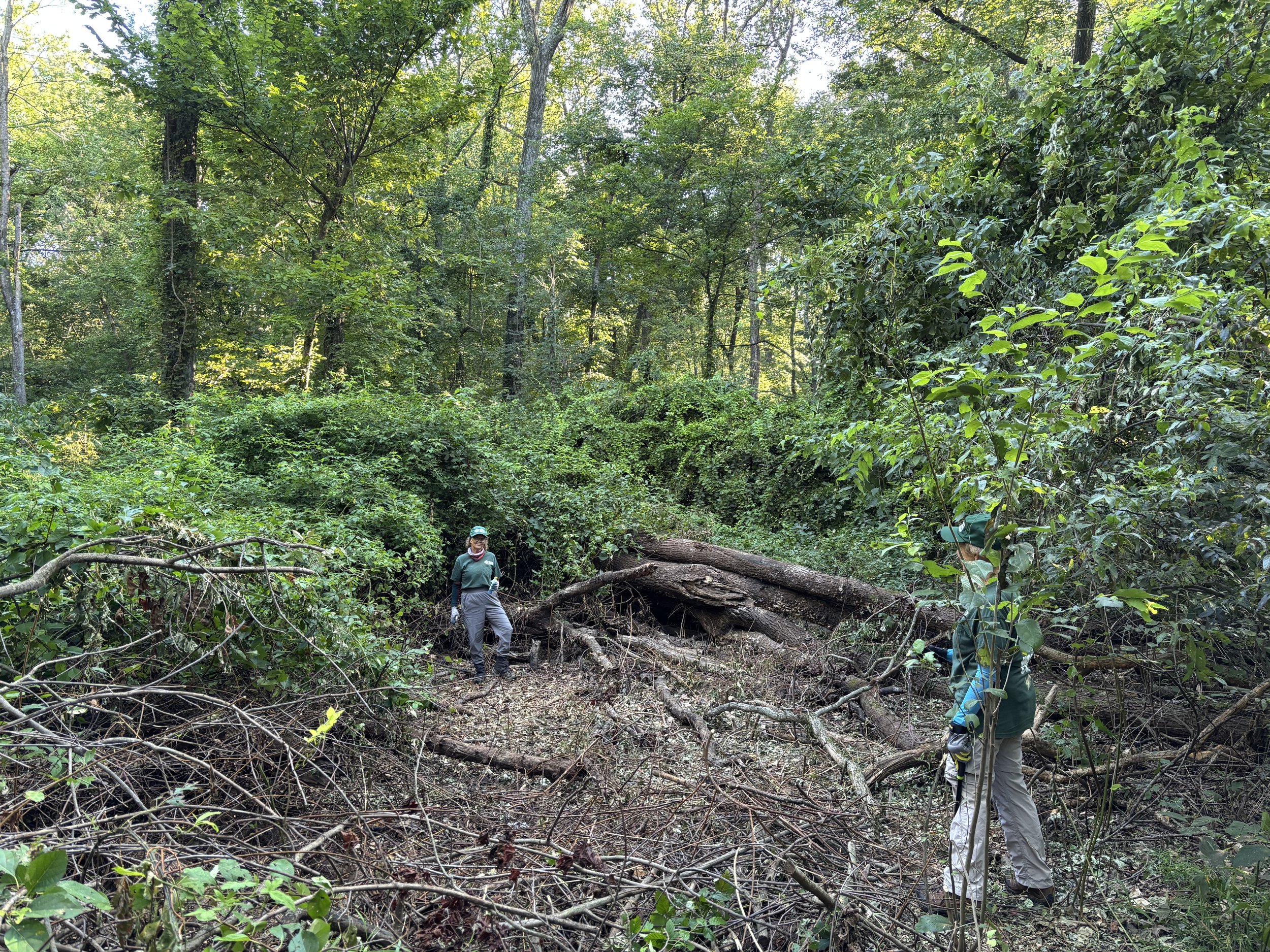
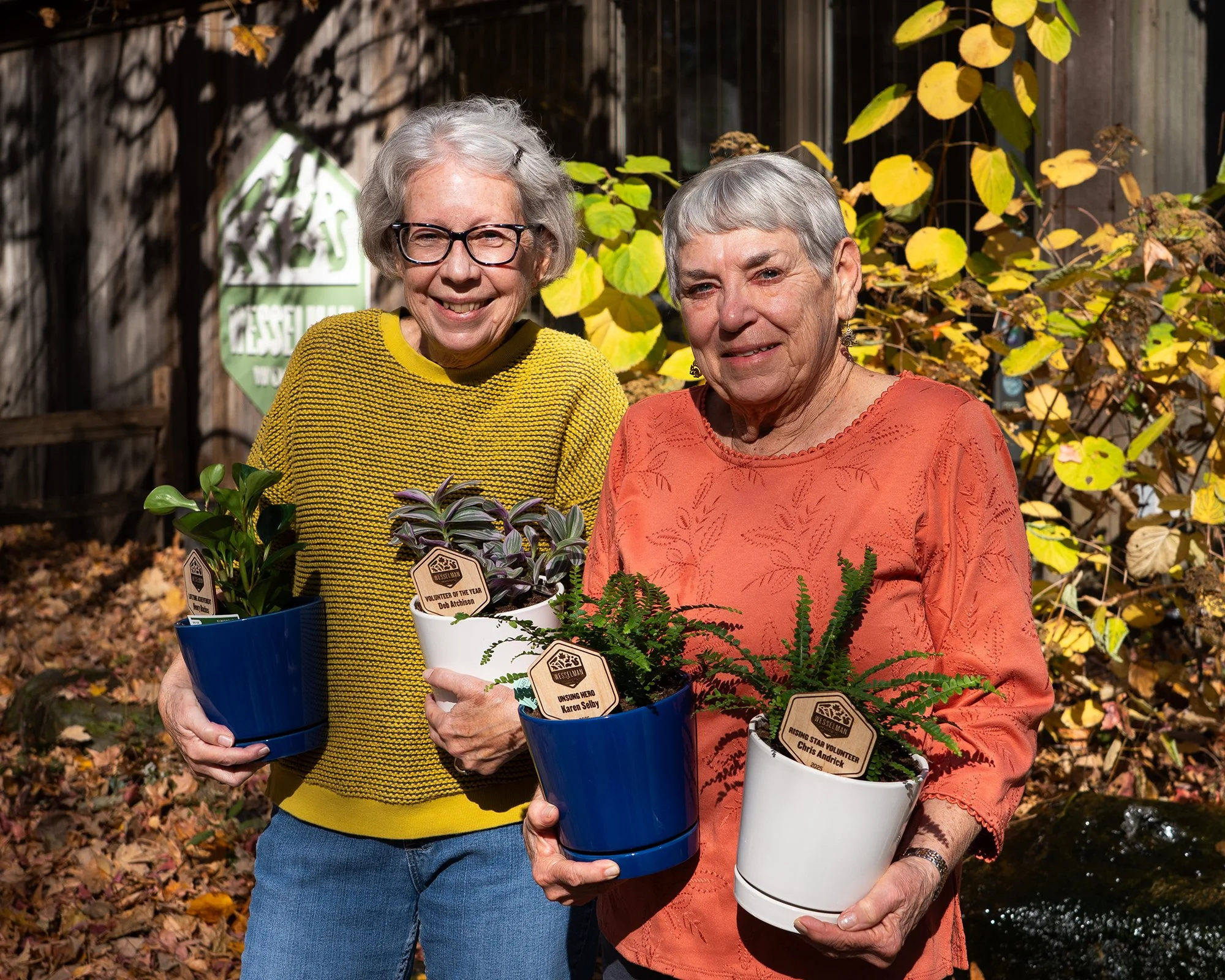
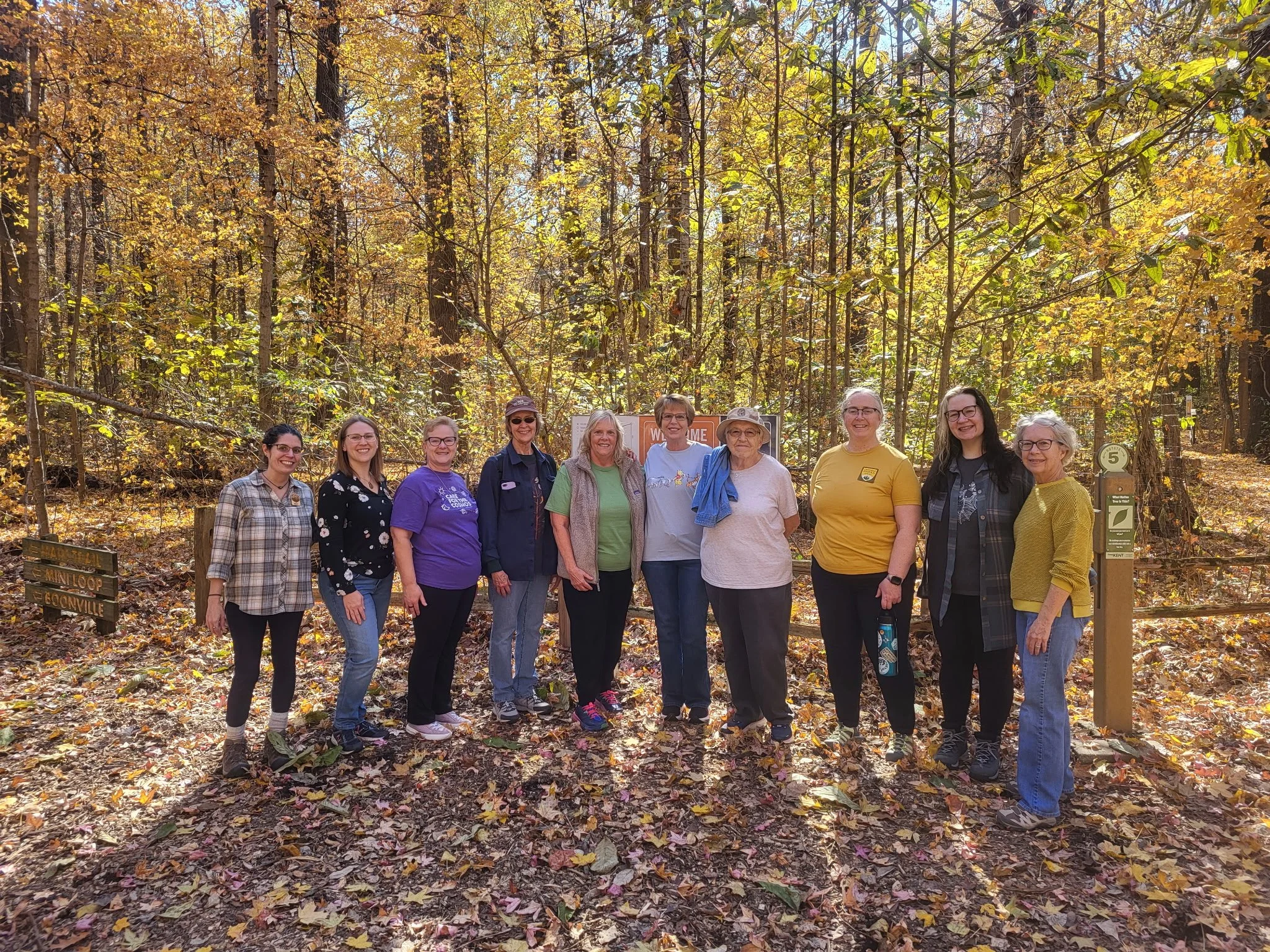
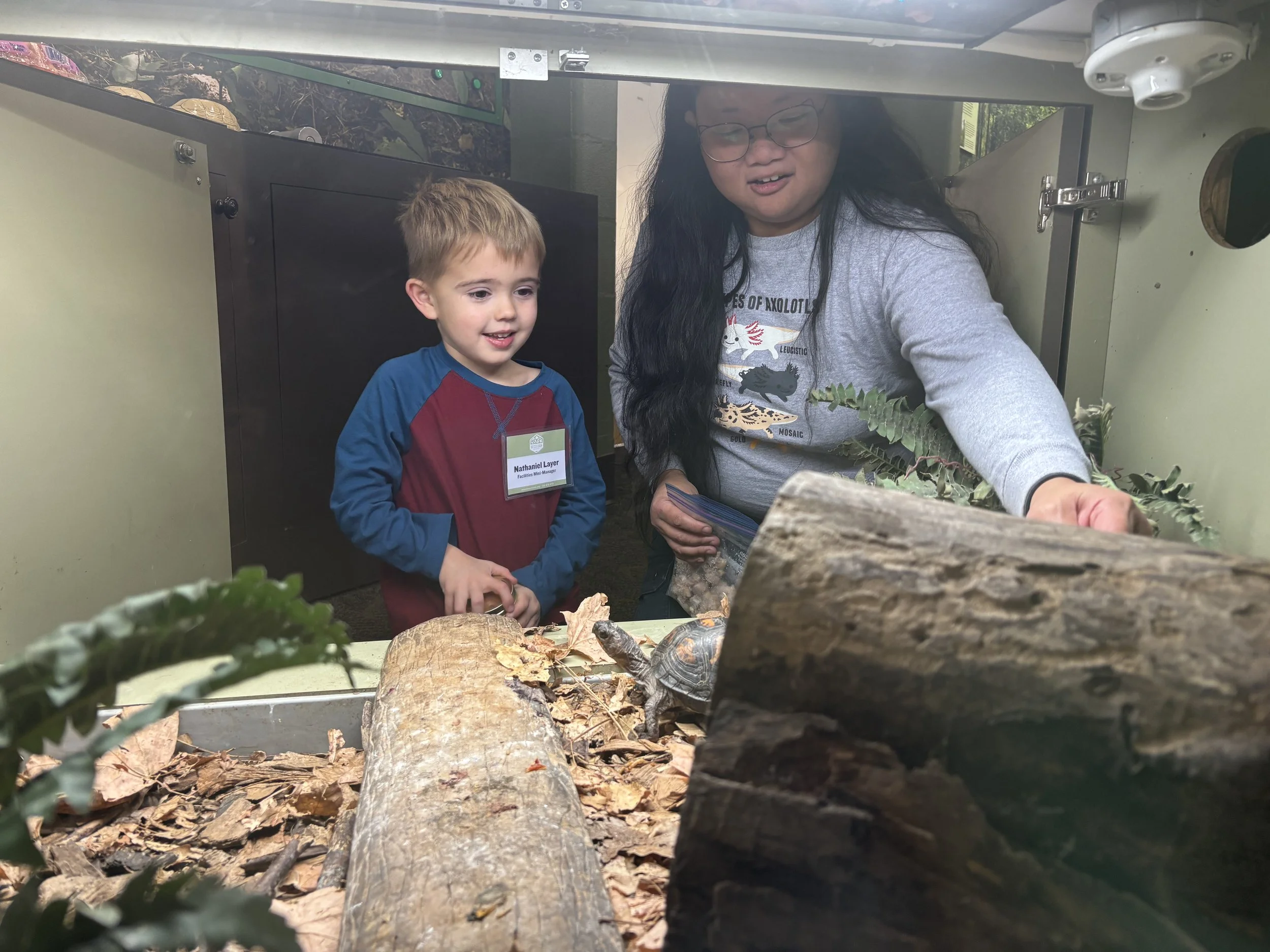
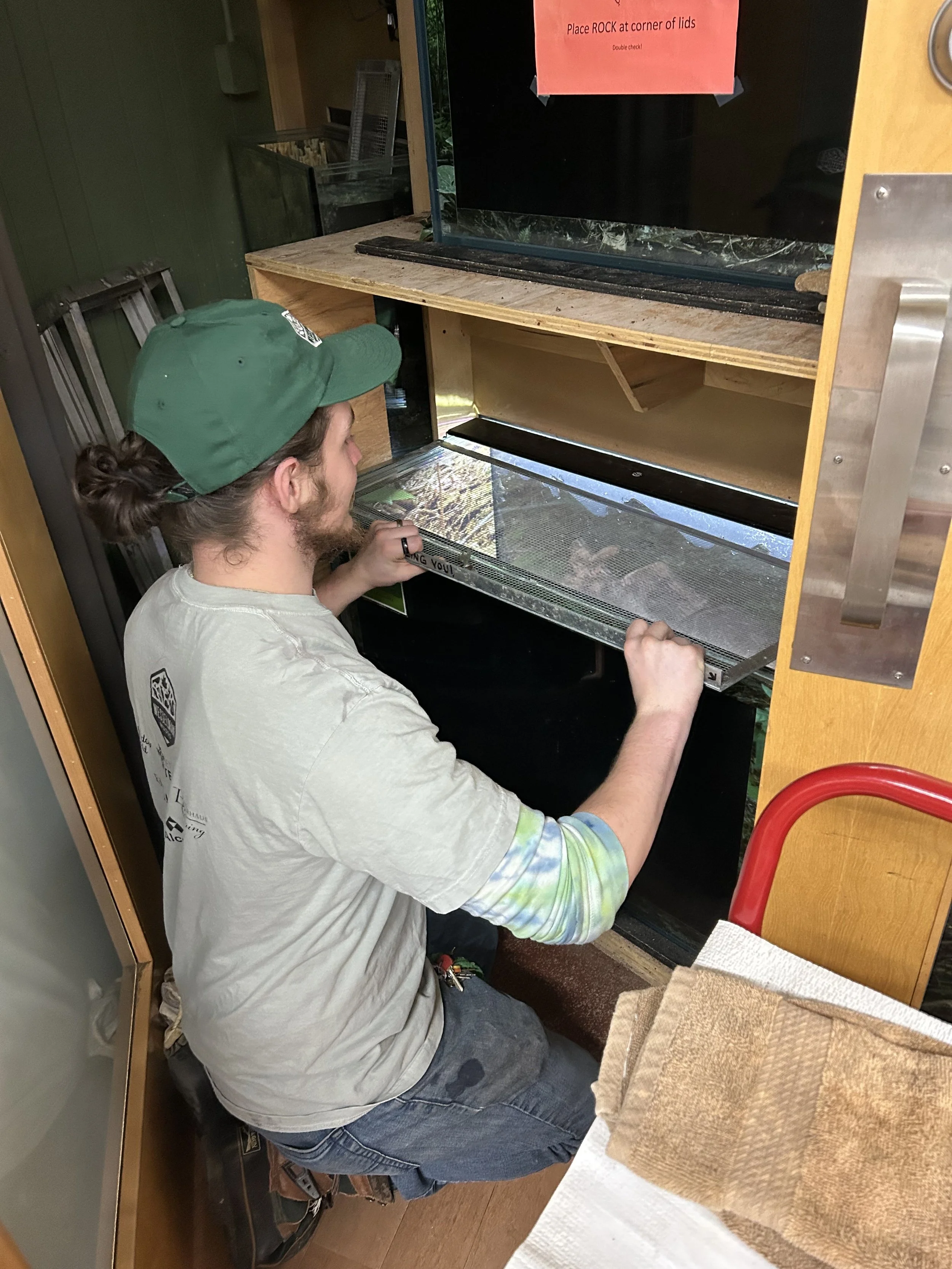
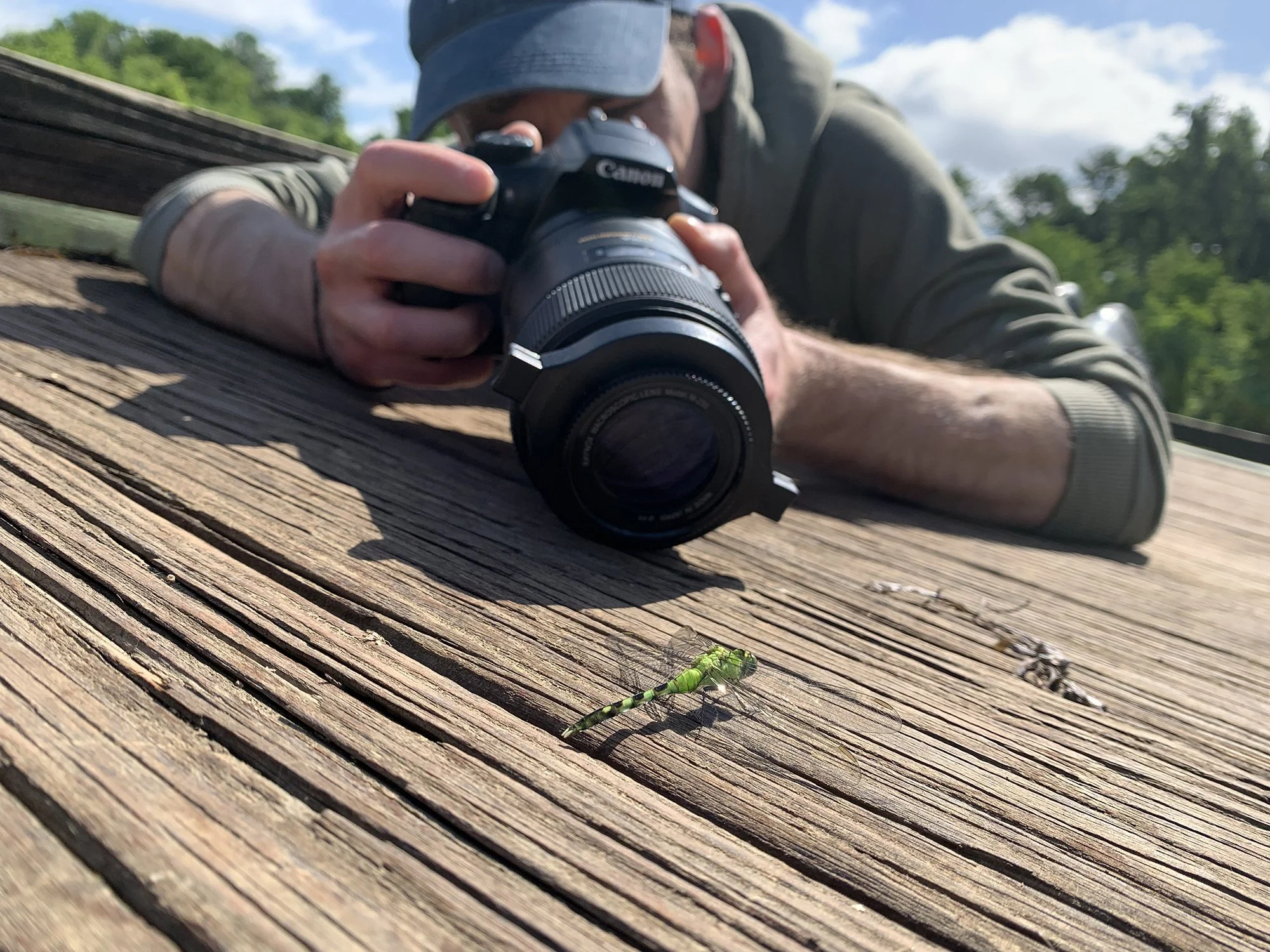
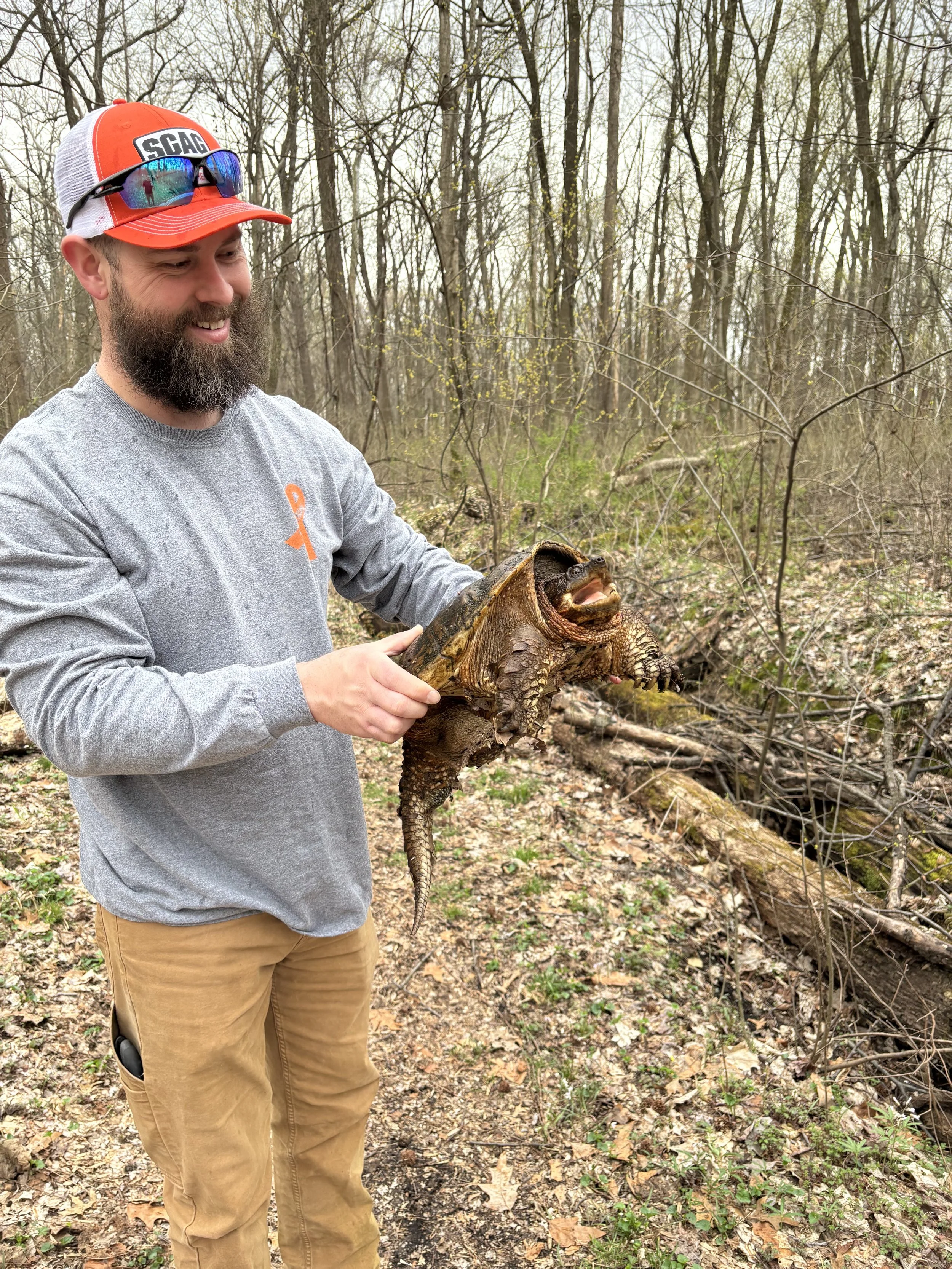
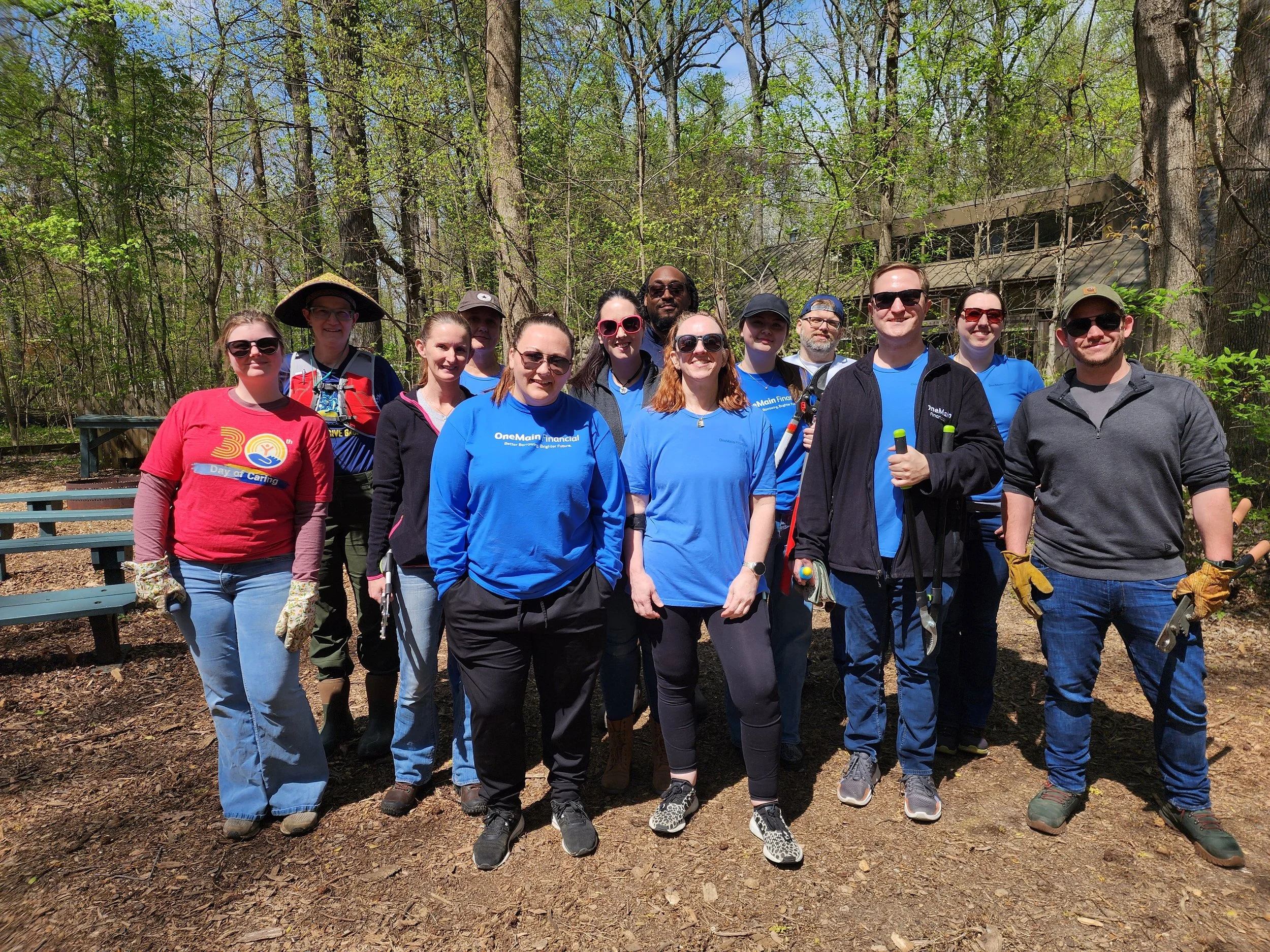
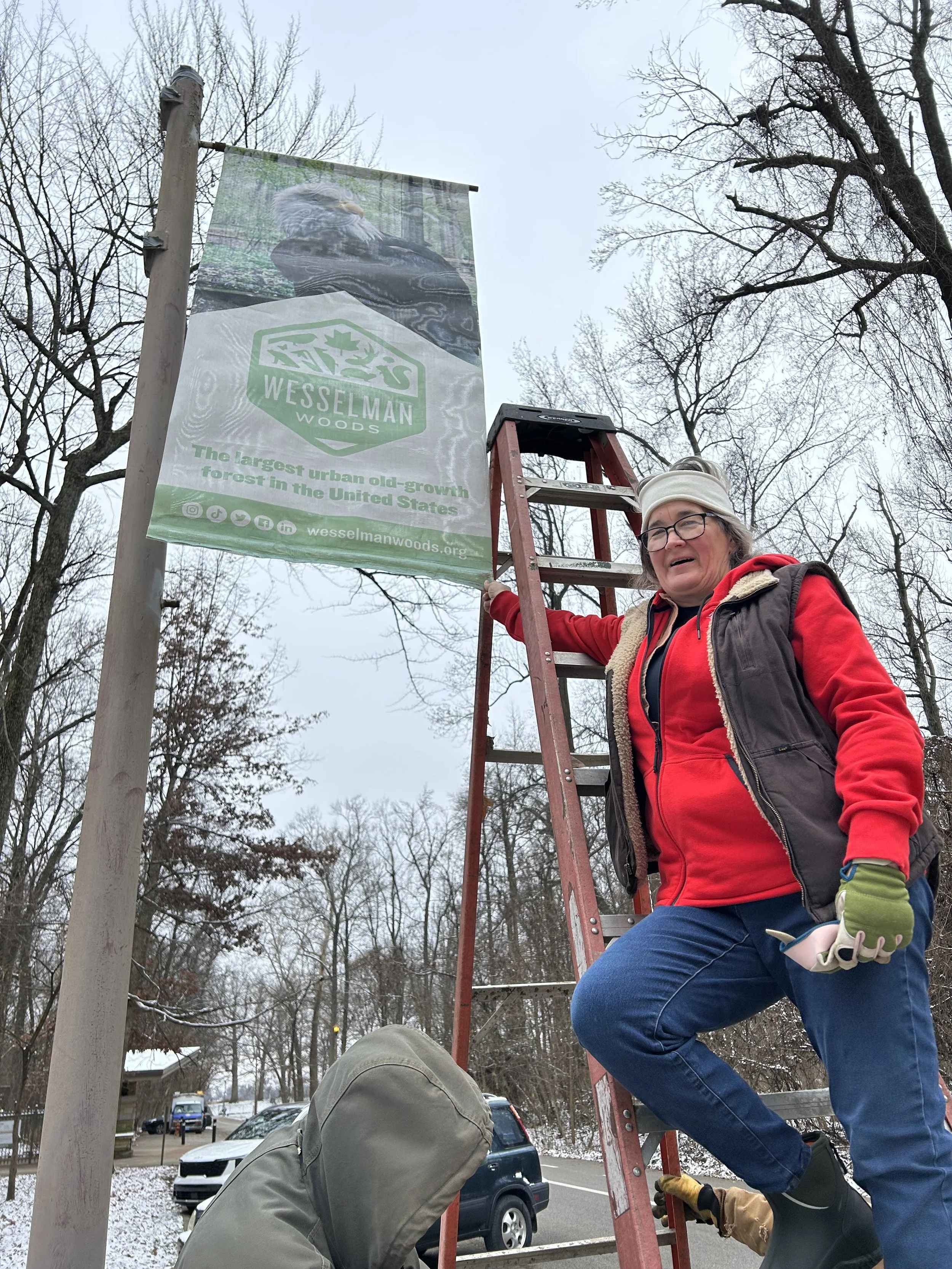
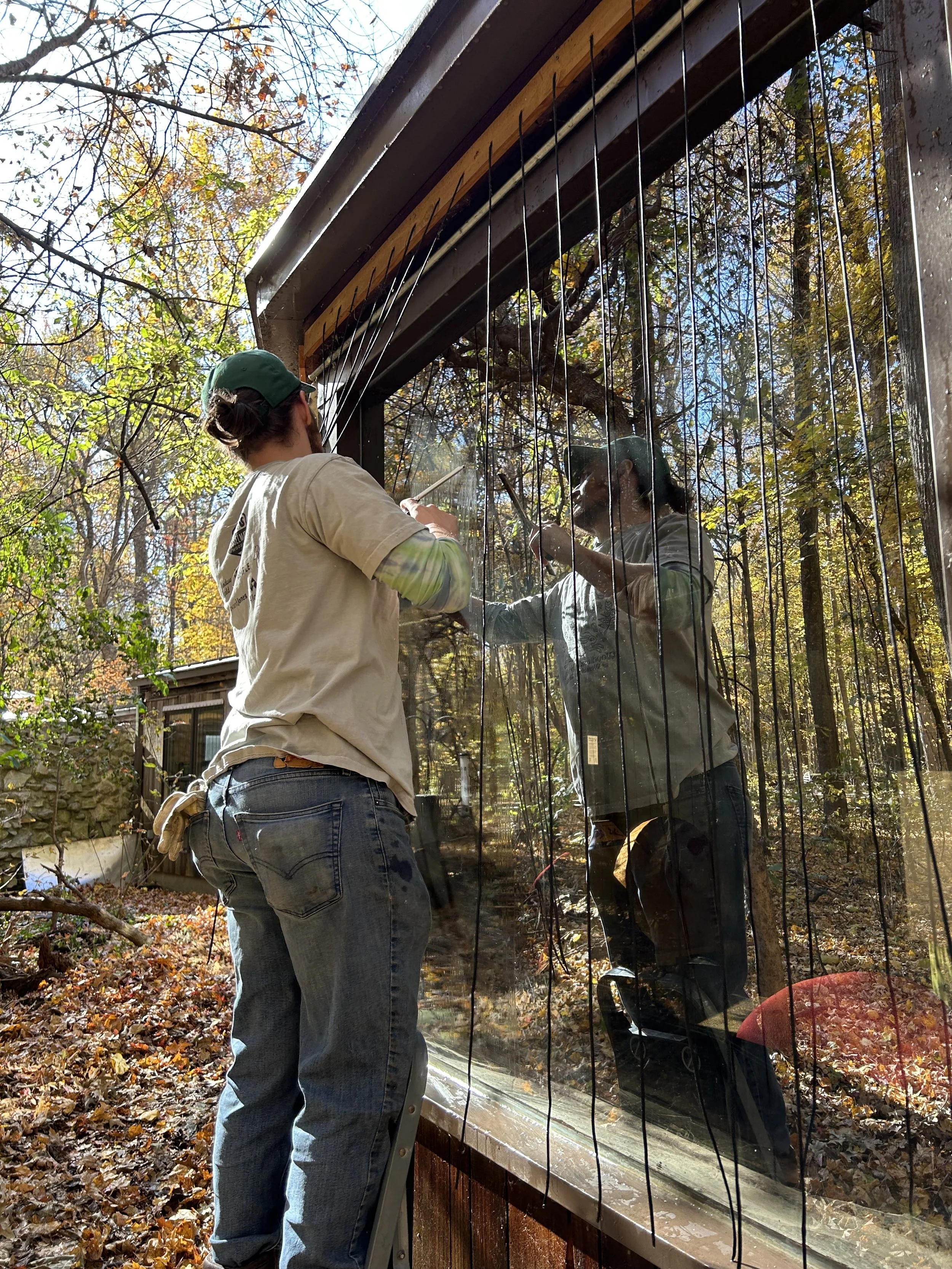
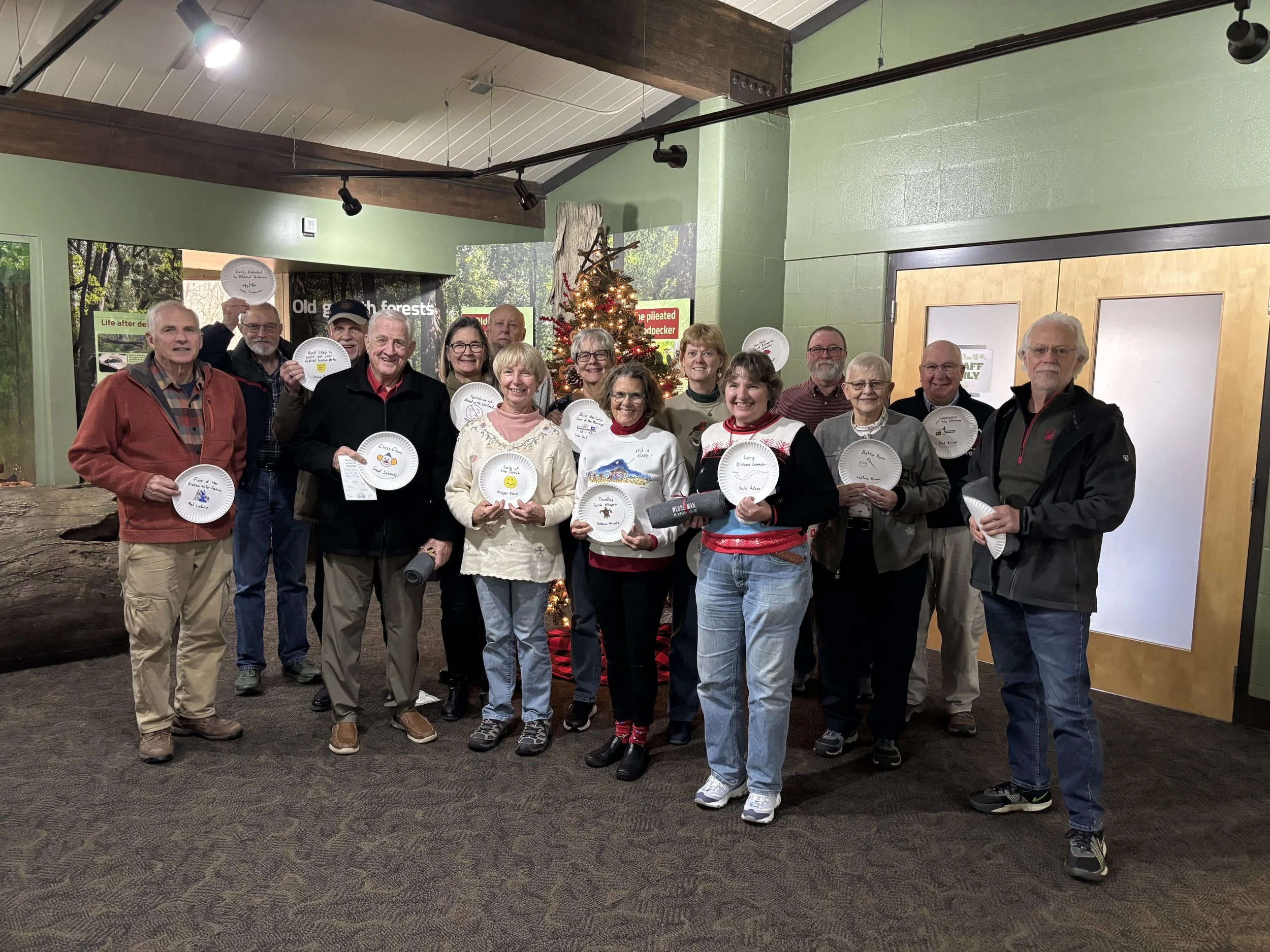
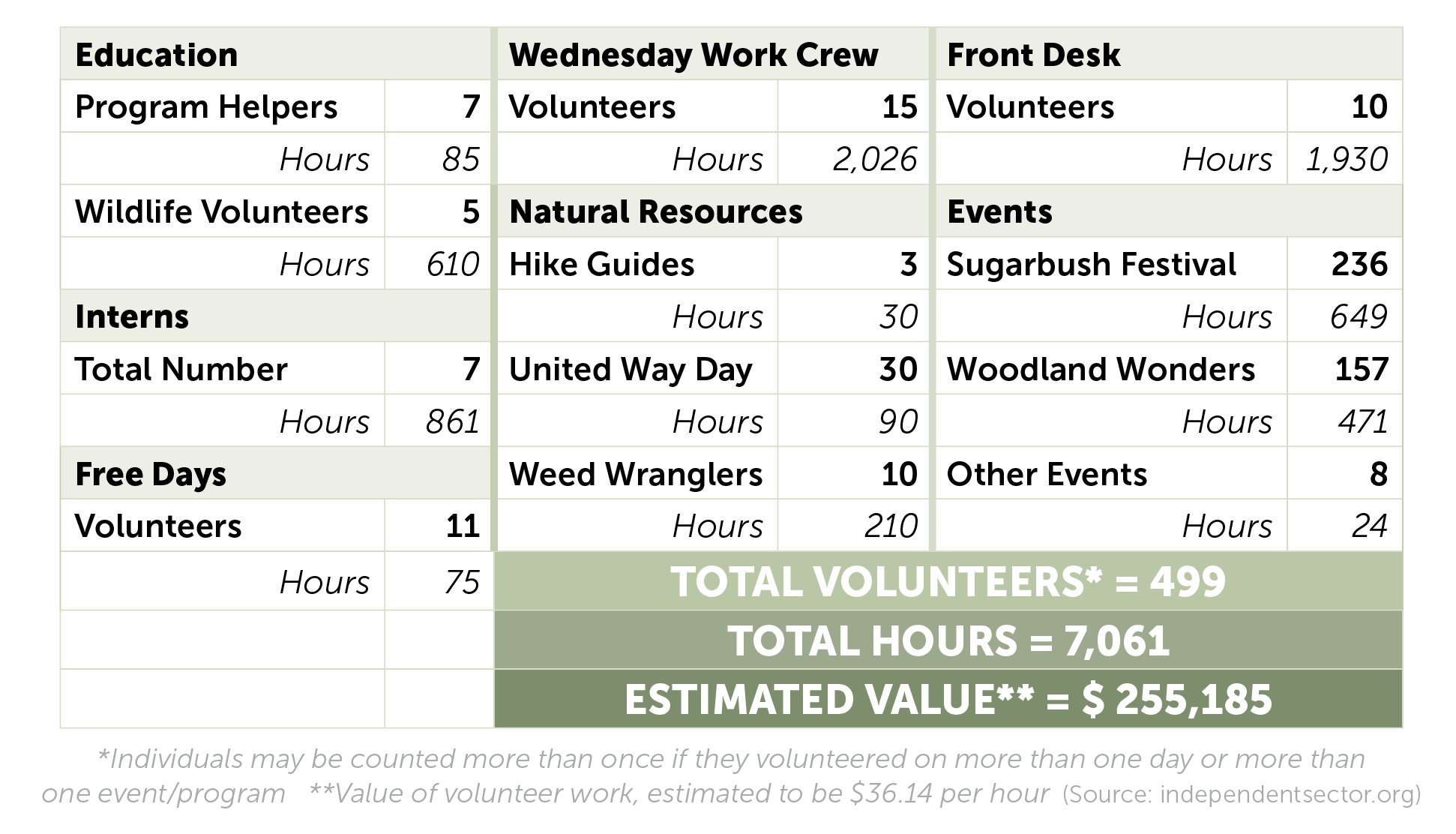
The people who volunteer for Wesselman Woods continue to be one of the most powerful forces behind our mission. Their impact can be felt in every corner of the preserve: from installing pollinator gardens, removing invasive species, supporting special events, caring for our animal ambassadors, helping create meaningful educational experiences for guests of all ages, and so much more.
Each hour they give helps protect this rare urban old-growth forest while strengthening our connection to the community we serve. Their passion, hard work, and belief in our mission allow us to do more than we could alone and, because of their dedication, both Wesselman Woods and Howell Wetlands continue to inspire, educate, and thrive for generations to come.
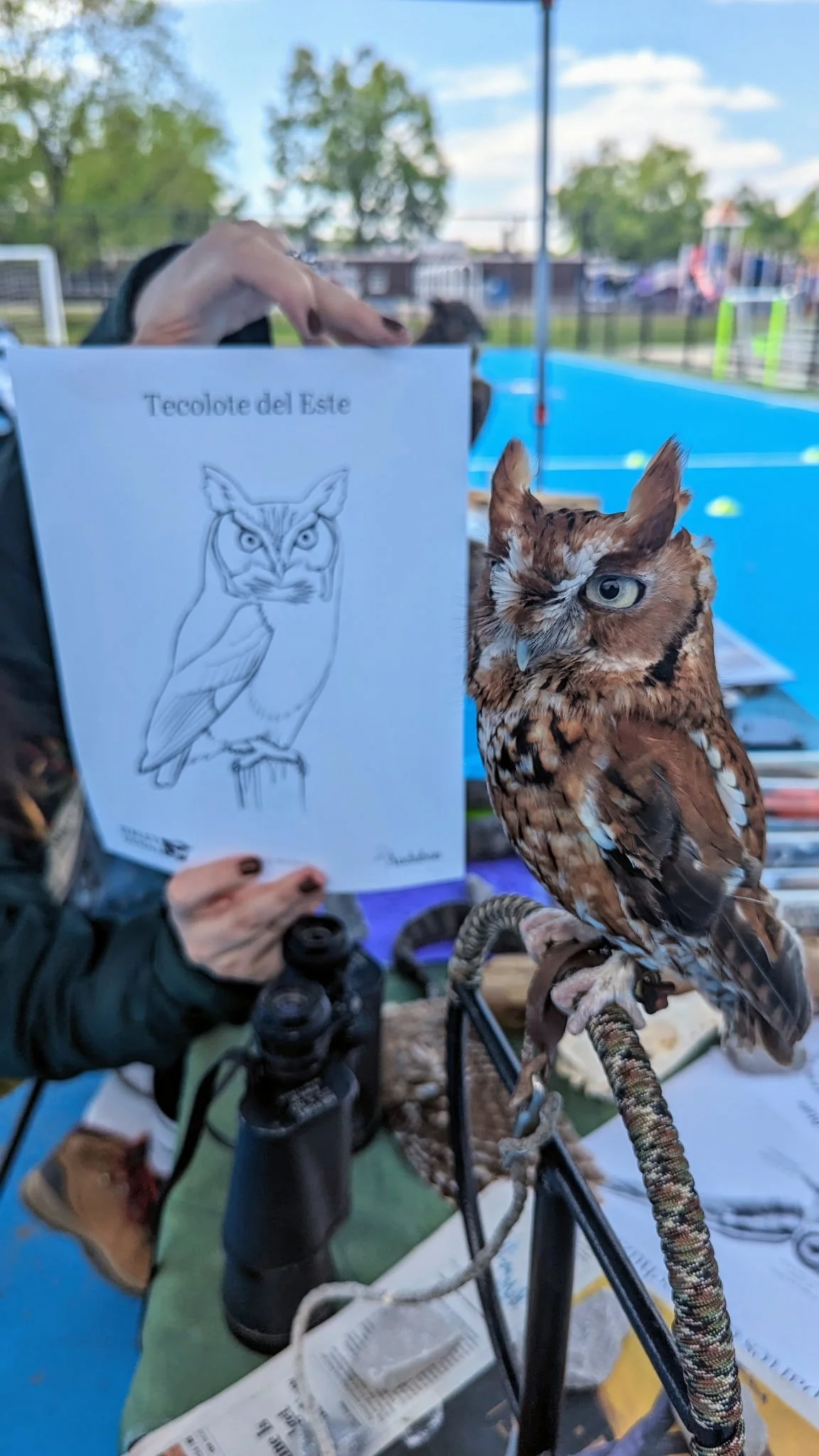
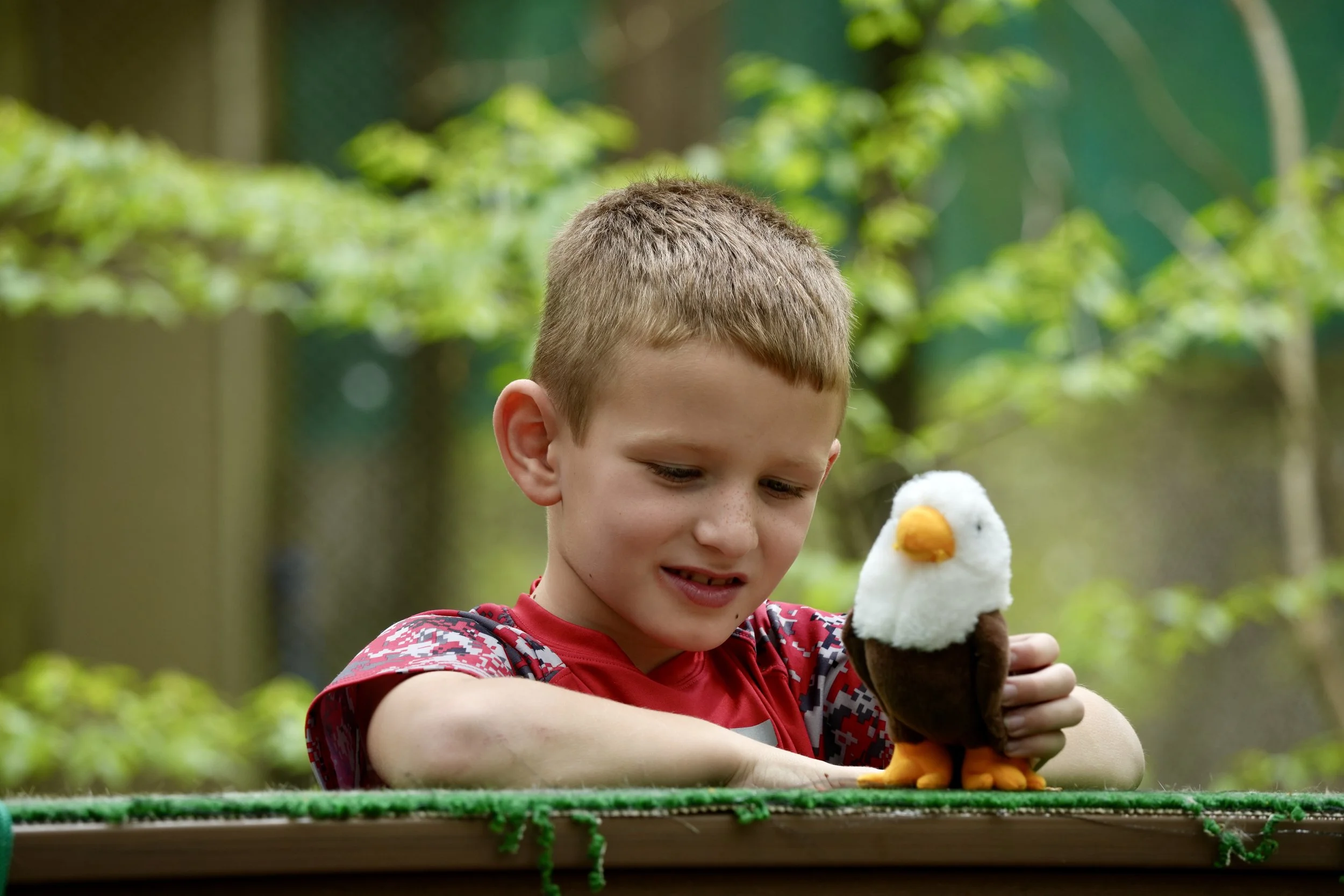
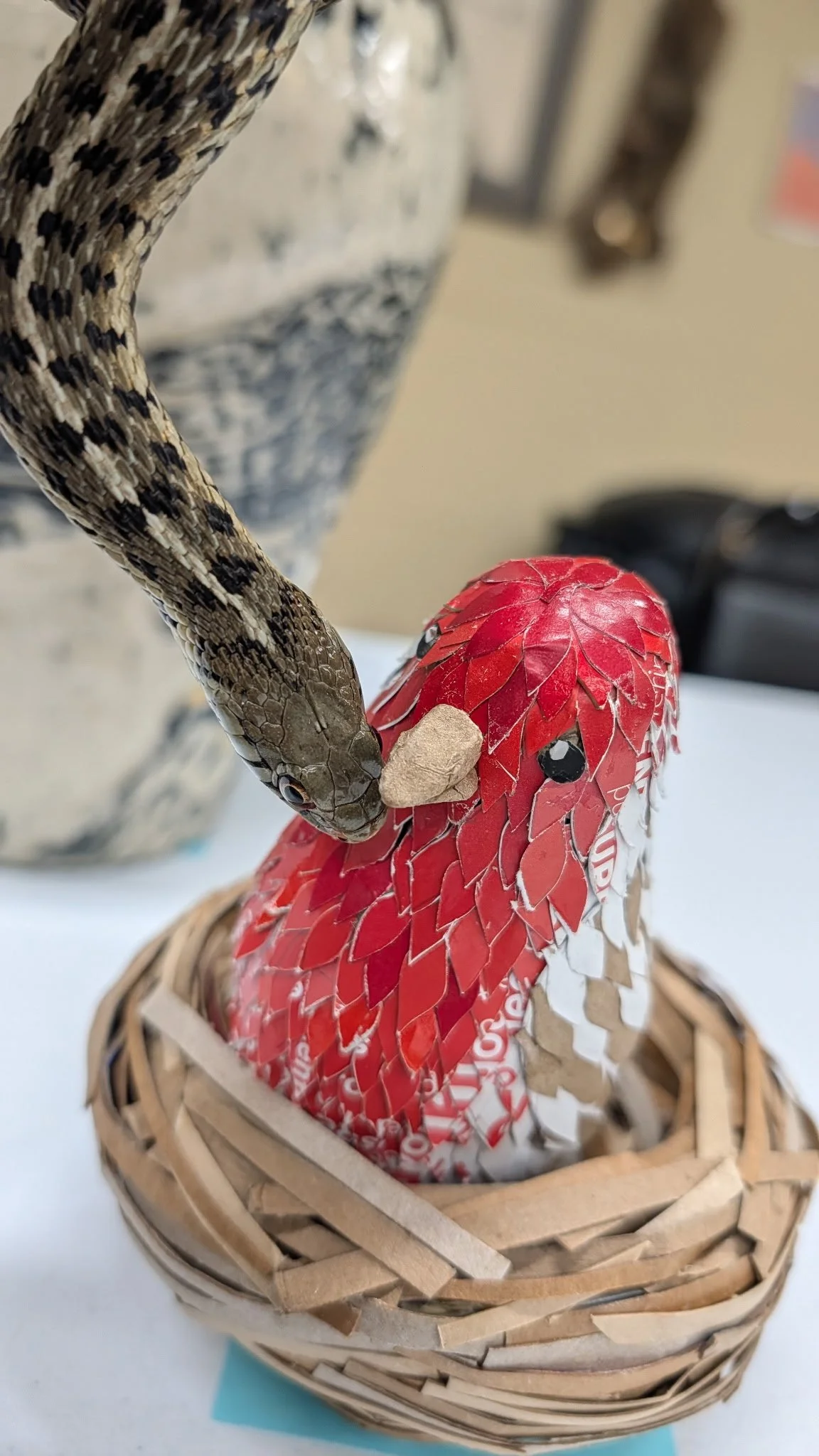
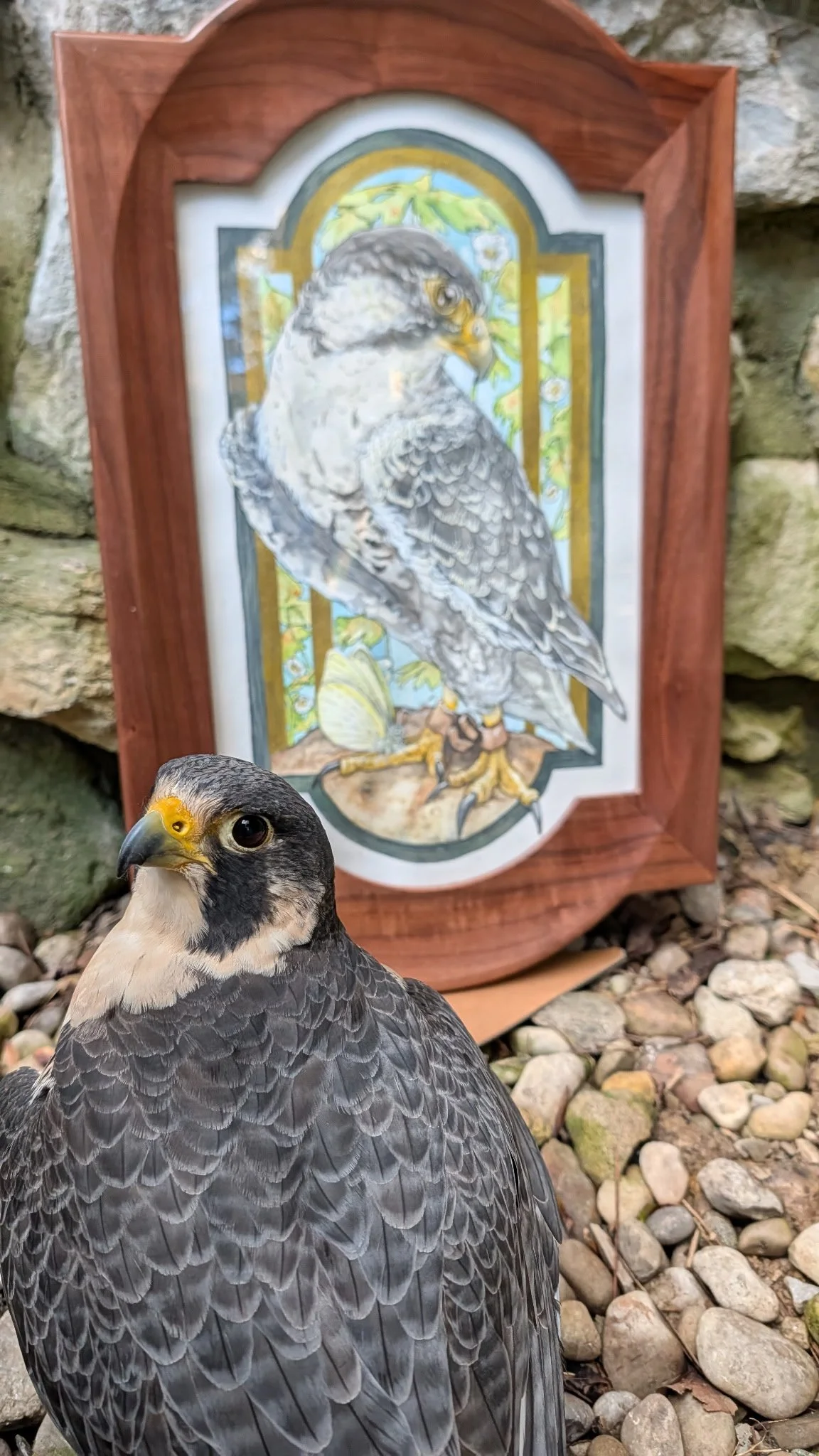
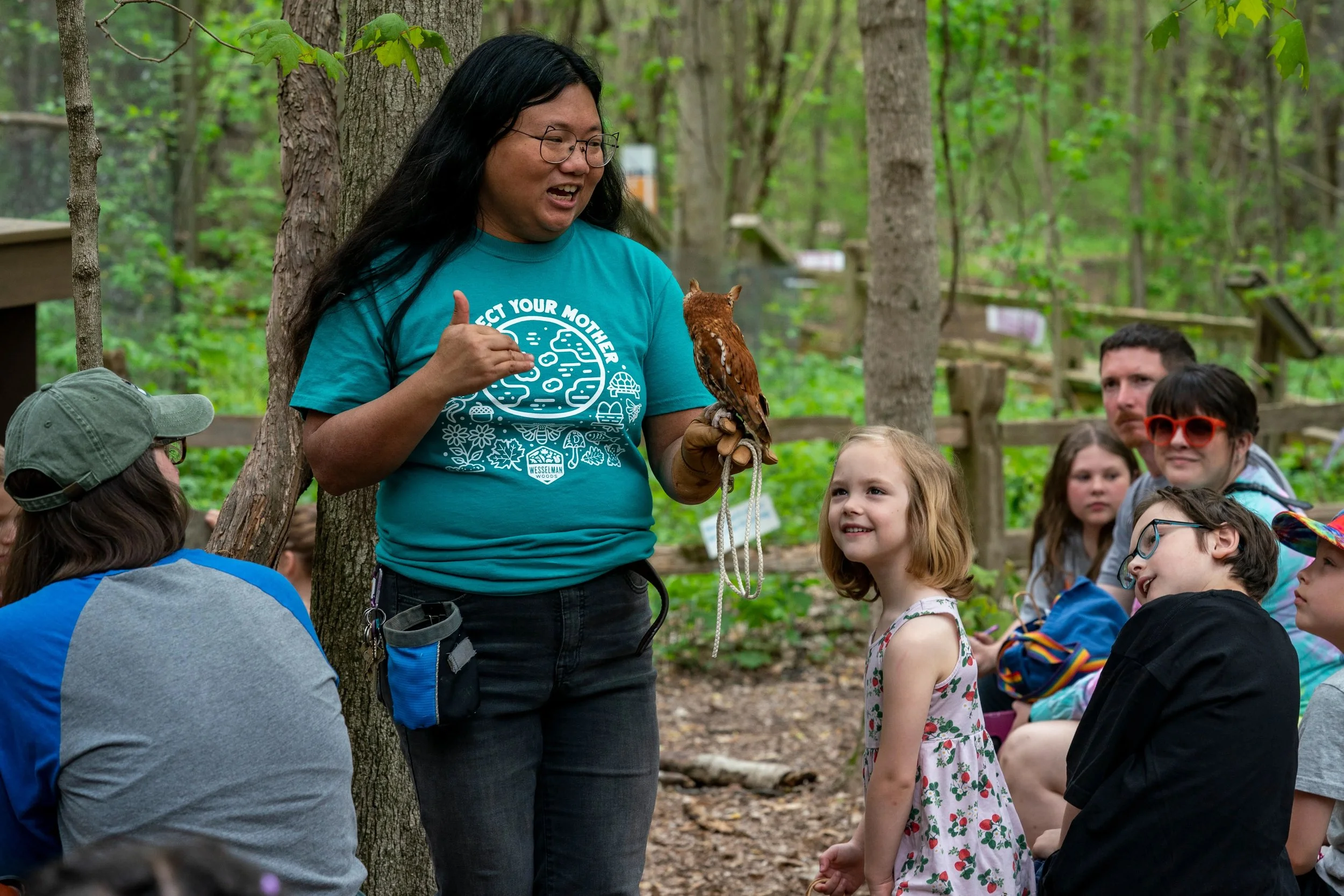
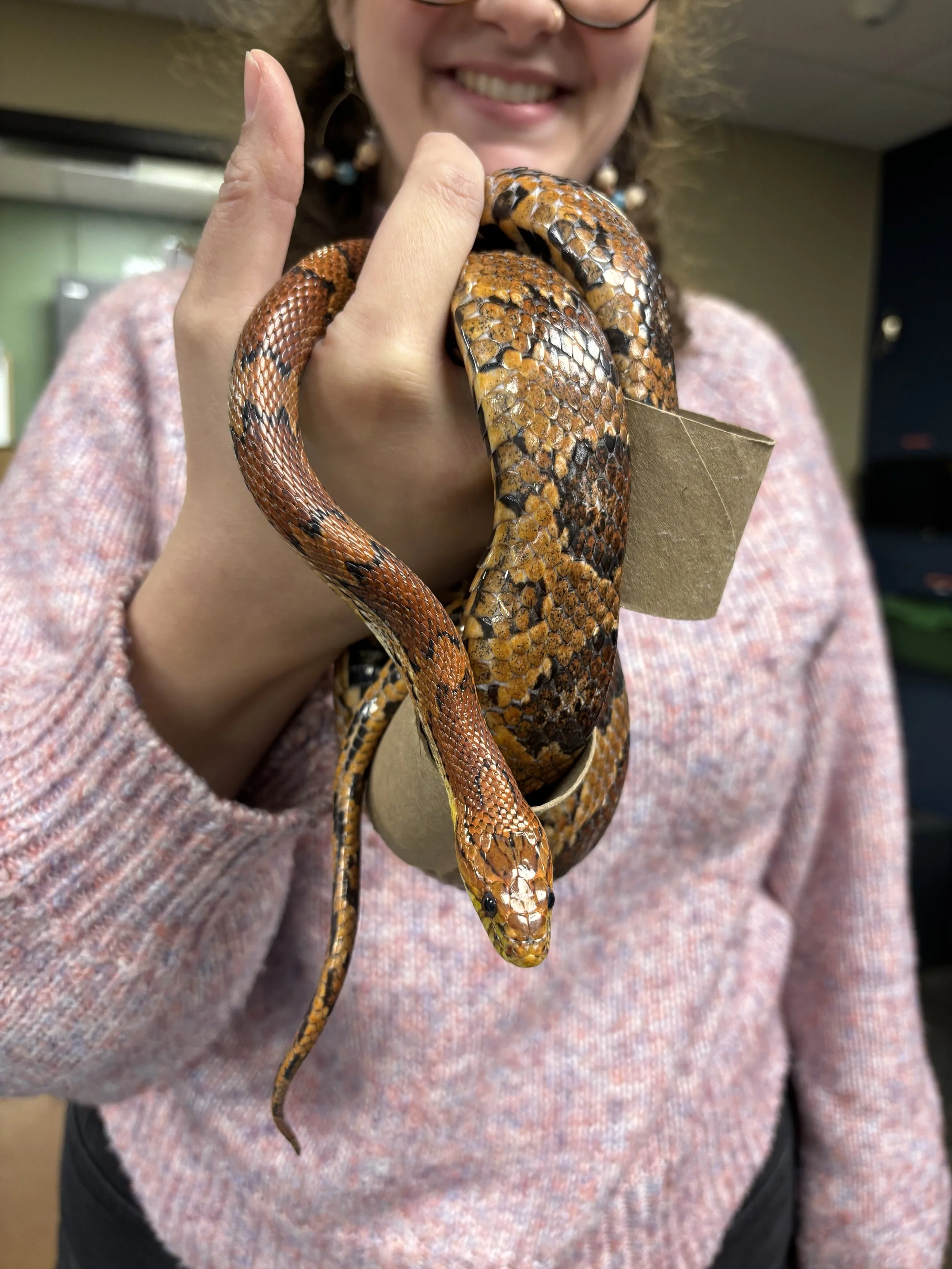
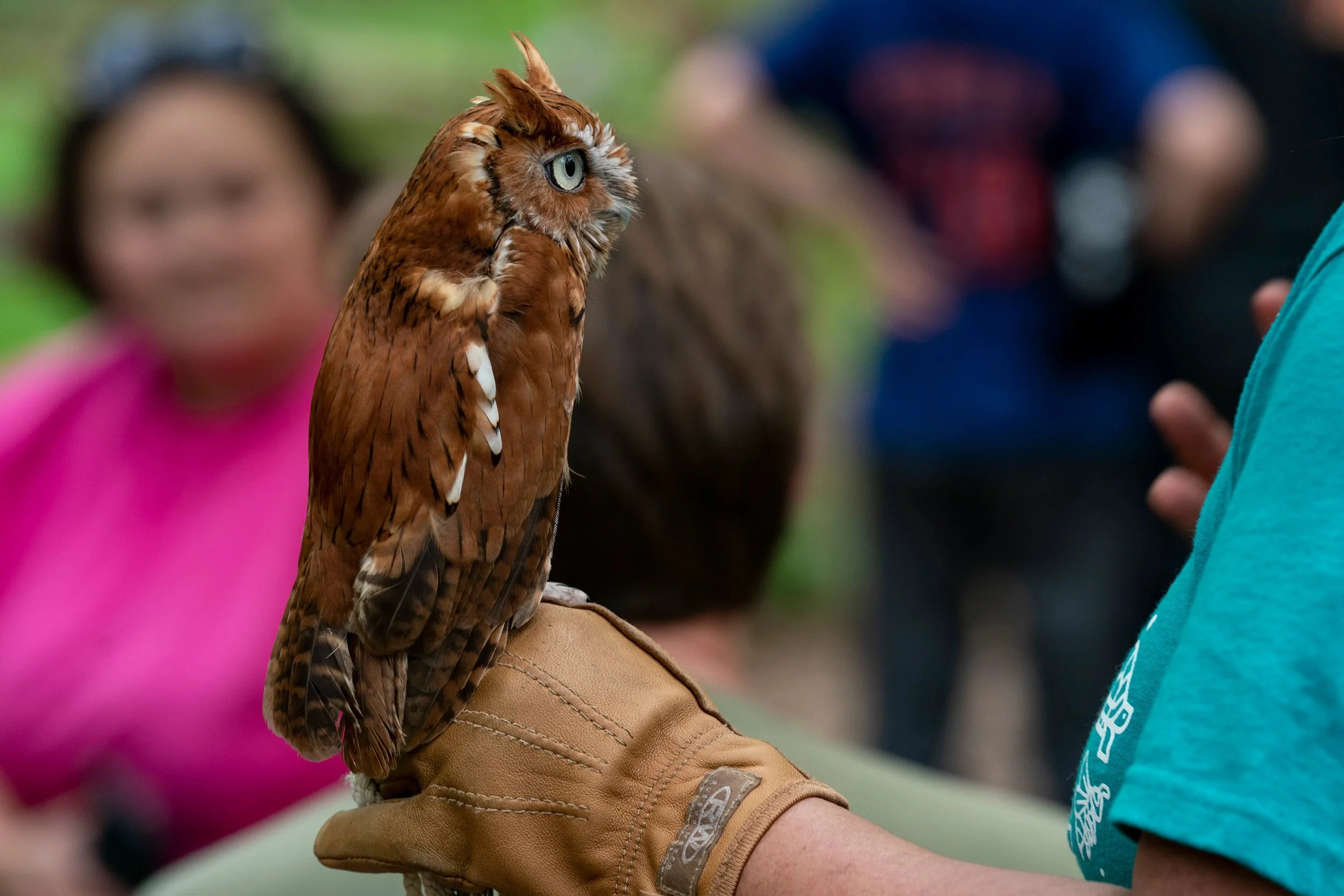
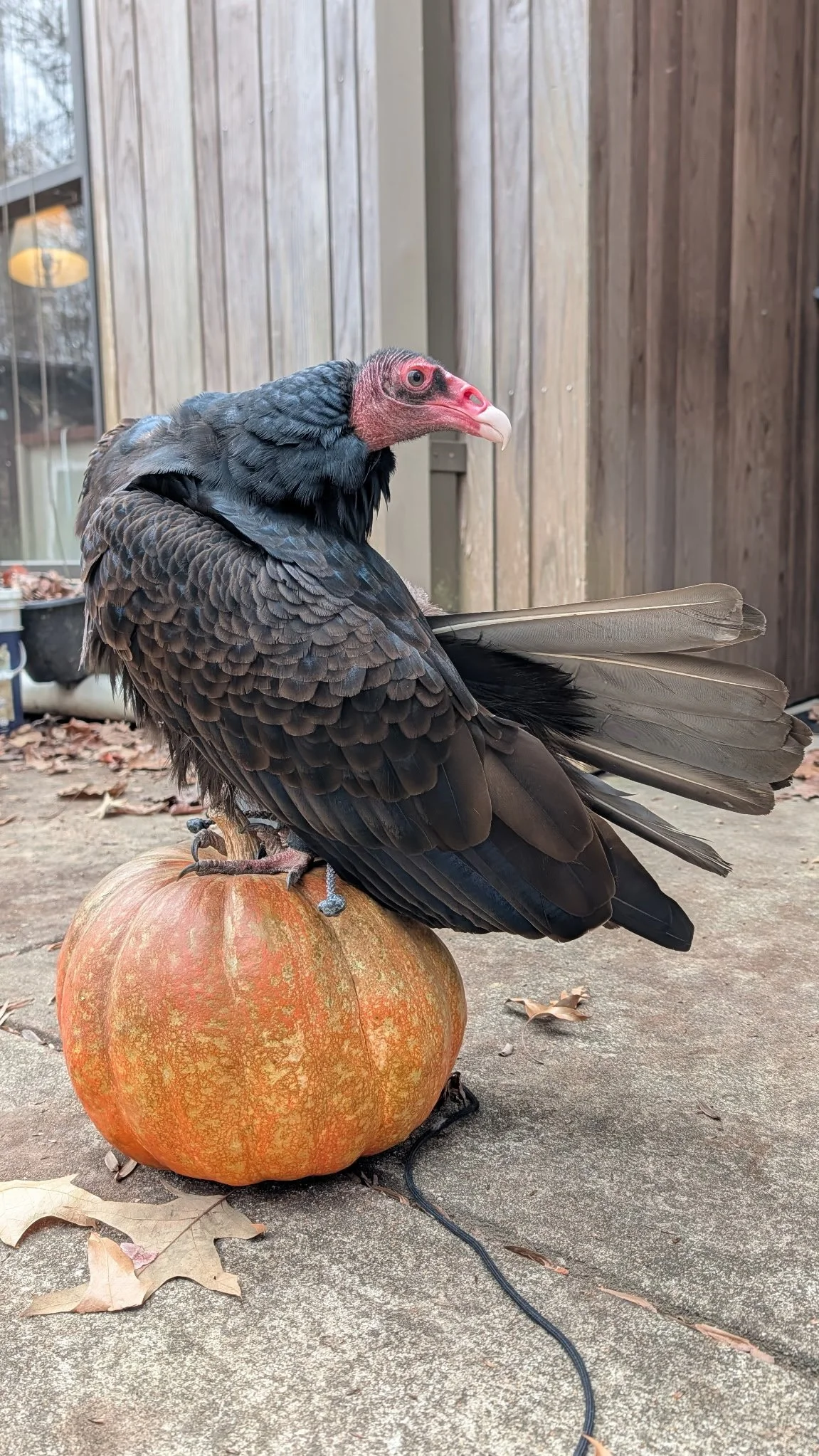
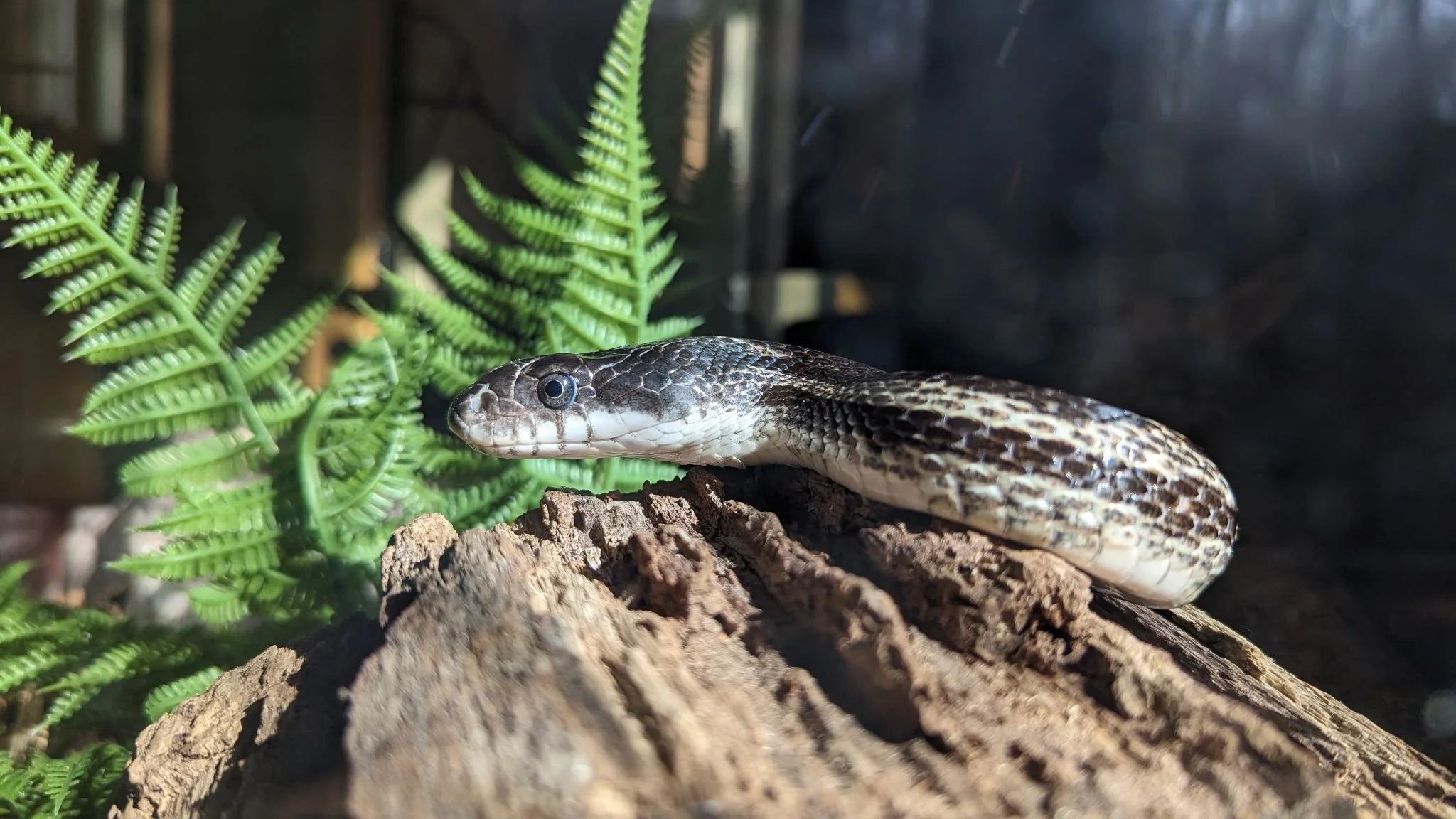
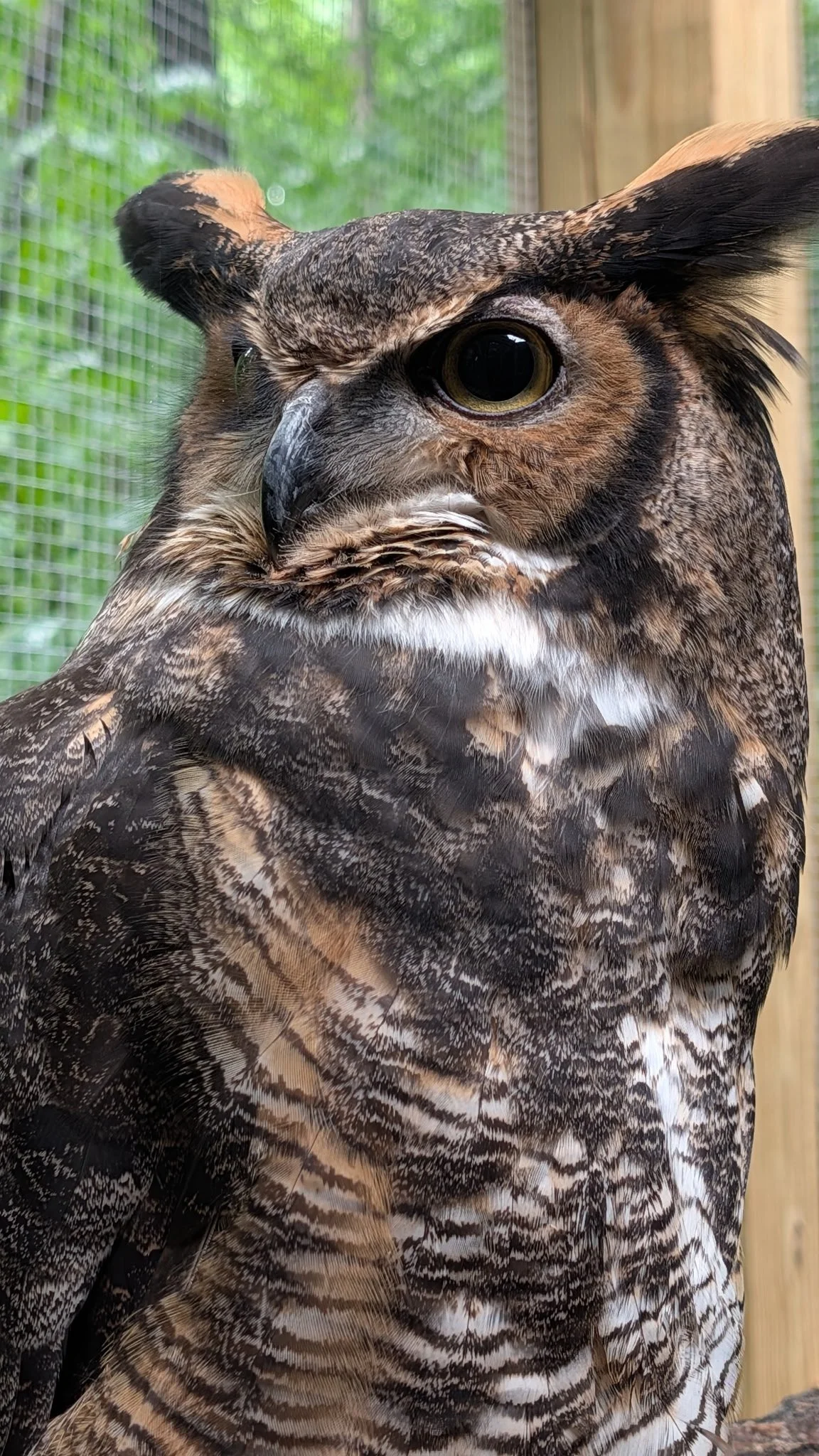
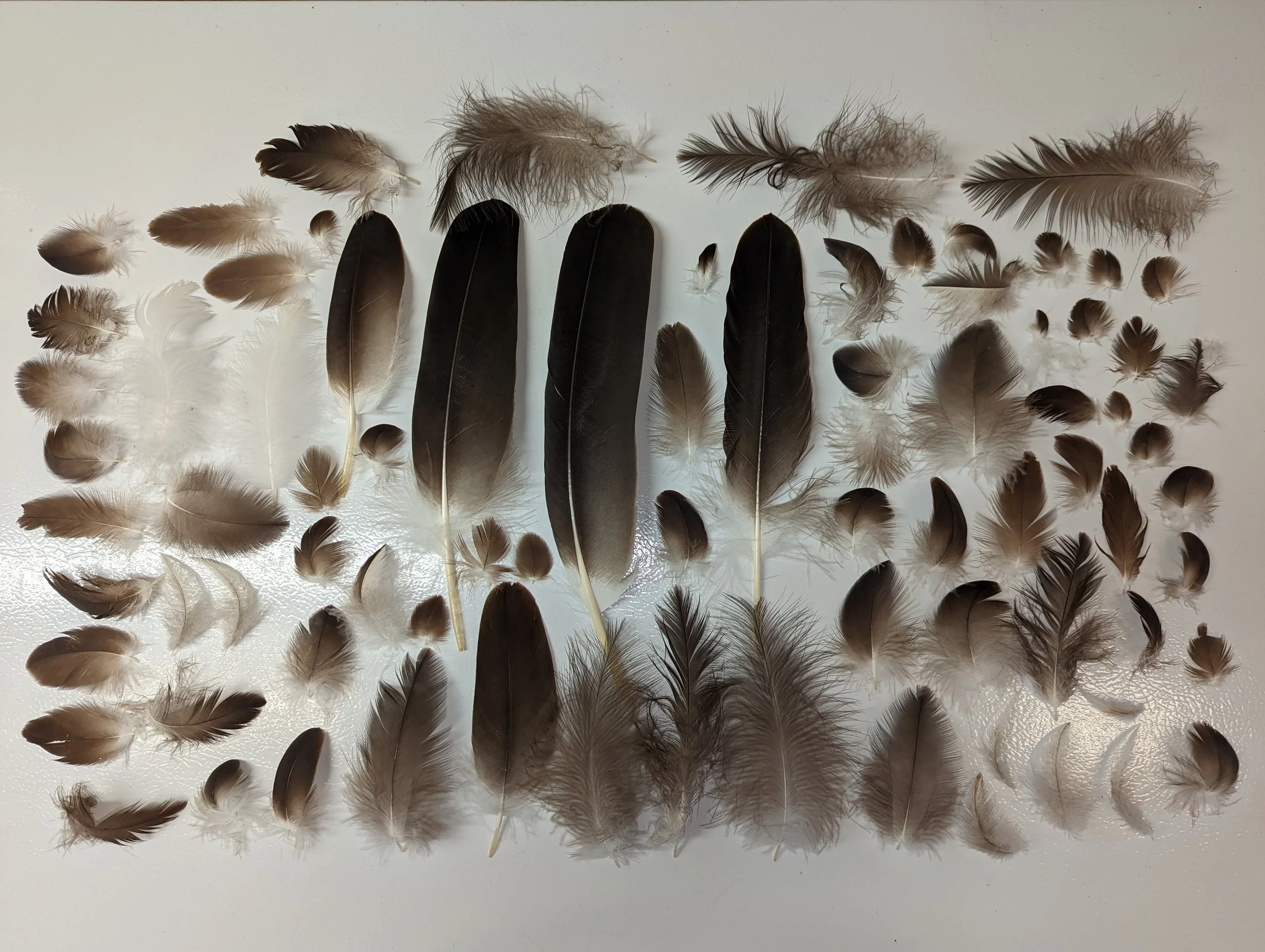
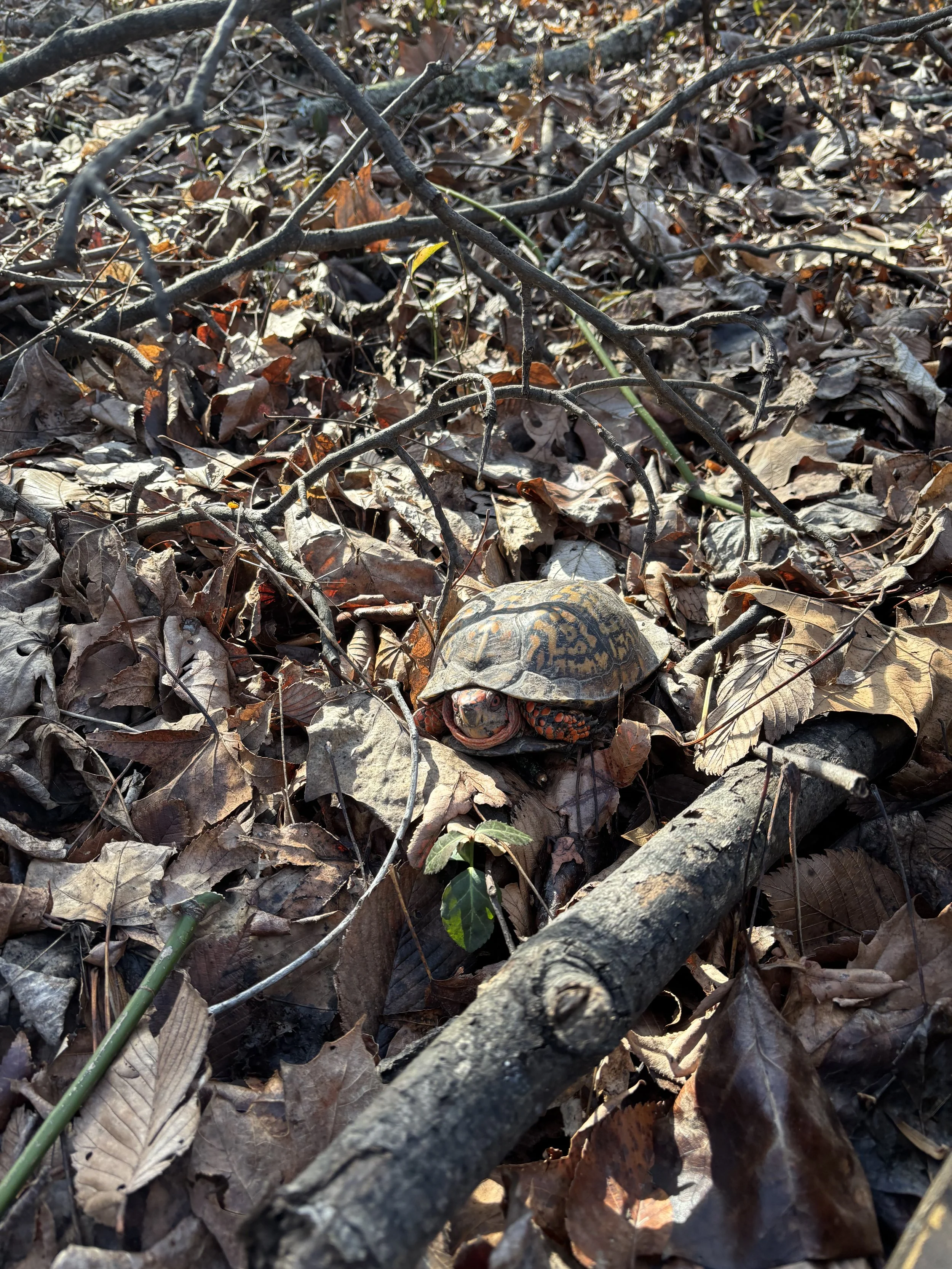
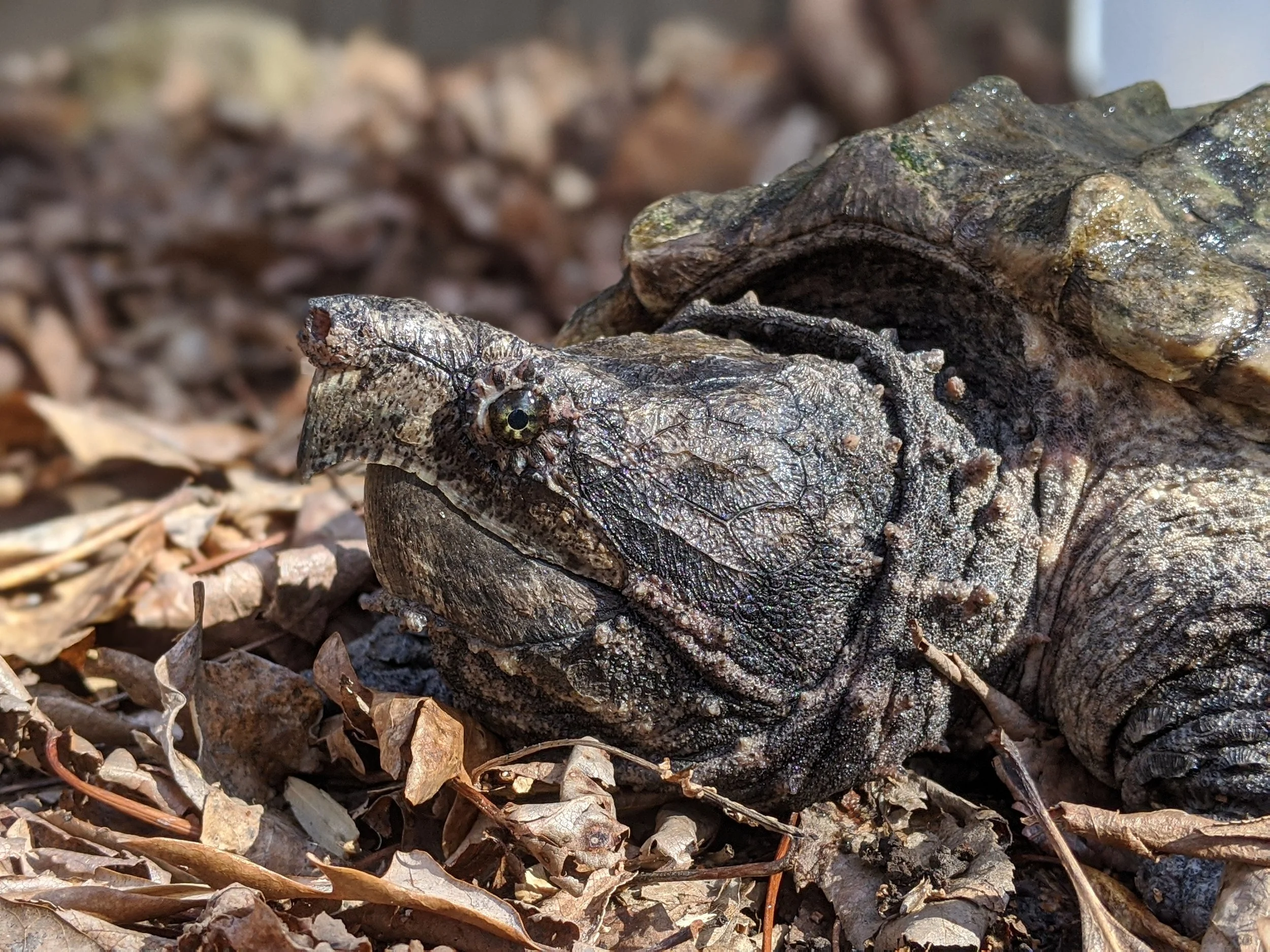
What a wild year! In 2025, we began construction on improvements to the raptor building (the “mews”). With that came a lot of changes for the animals that call the mews their home. The animals could not be on display during this time, which means many people missed seeing or visiting their favorite birds.
During mews reconstruction, resident ambassadors were relocated to enclosures
on- and off-site. We are grateful for the assistance of another nature center and local rehabbers who have been supporting our off-site animals.
We’re all looking forward to better facilities for both human and bird in 2026! Upgrades include larger habitats, heating and air in the kitchen area, security cameras, new doors, new siding, and a sewage system. Thank you all for being so patient with this process.
Wildlife Program Data
Our animal ambassadors participated in 94% of education programs.
Raptors were utilized in 42% of education programs.
Live animals were featured in 54% of ALL Wesselman Woods programs, events, and outreaches.
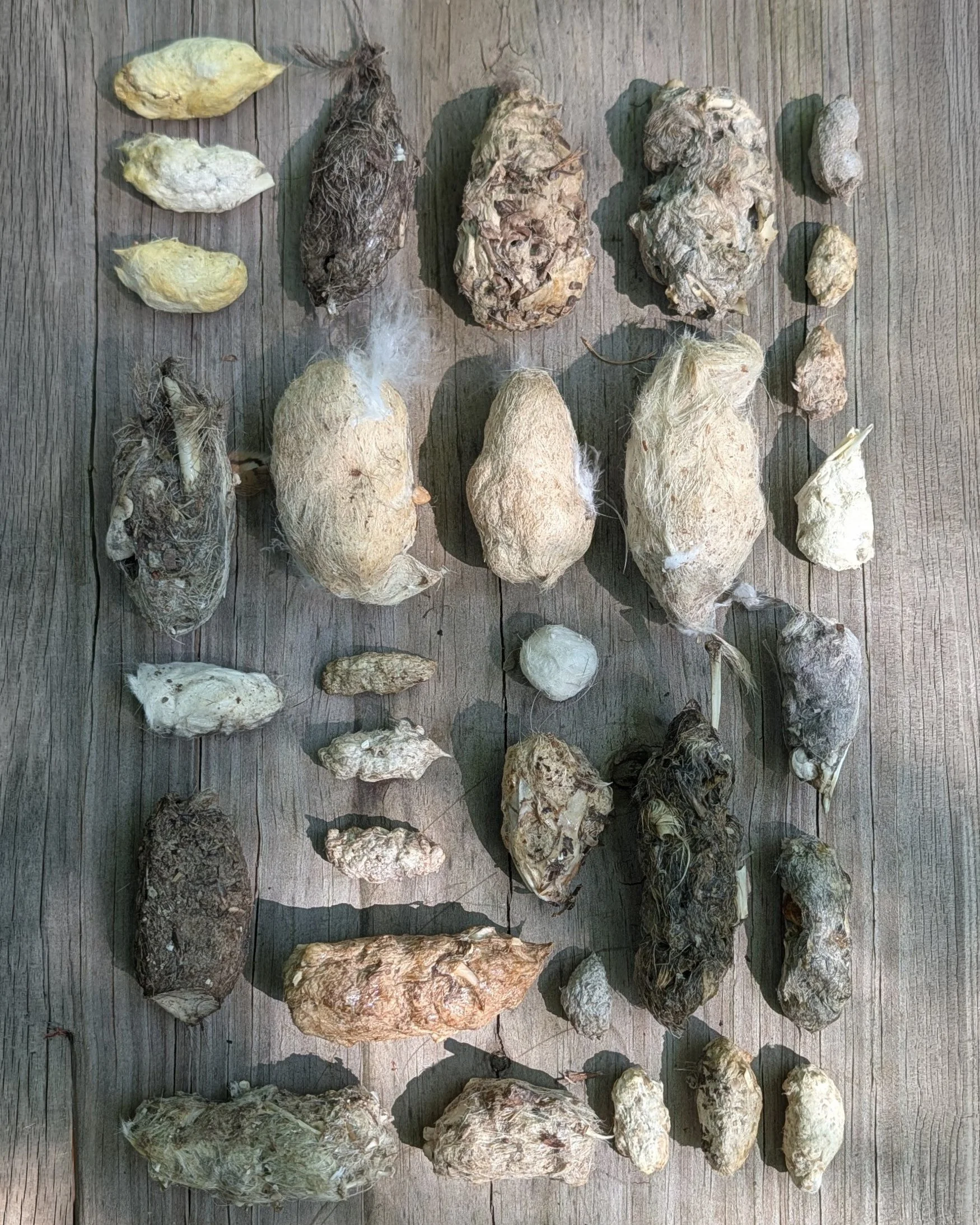
“Biofacts” (a.k.a. biological artifacts) were used in 48% of education programs. These items demonstrate scientific concepts while allowing program participants to closely examine and touch unique animal specimens.
Food Consumption
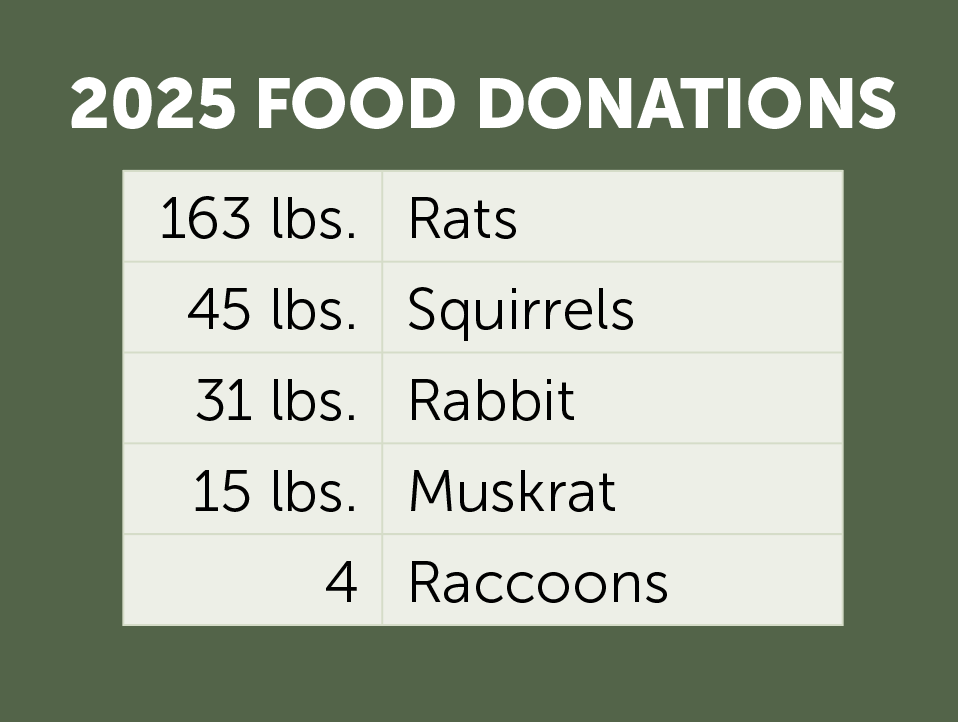
Donations bring variety to animal diets and help ease rising food costs. Among those gifts in 2025 were:
163 pounds of rats
45 pounds of squirrels
31 pounds of rabbit
15 pounds of muskrat
4 raccoons
How You Can Help
Check out our wishlist of goods and services that you can purchase to help our animals.
Become a Wildlife Volunteer. Volunteers are critical to our department because they keep the animals fed and their habitats clean, aid in maintenance procedures, provide animal enrichment, and engage with the public at events and programs.
Extend your love of our animals beyond the boundaries of the preserve by supporting their cousins in the wild. Be a voice for animals by protecting their natural habitats and replacing lawns with native plants.
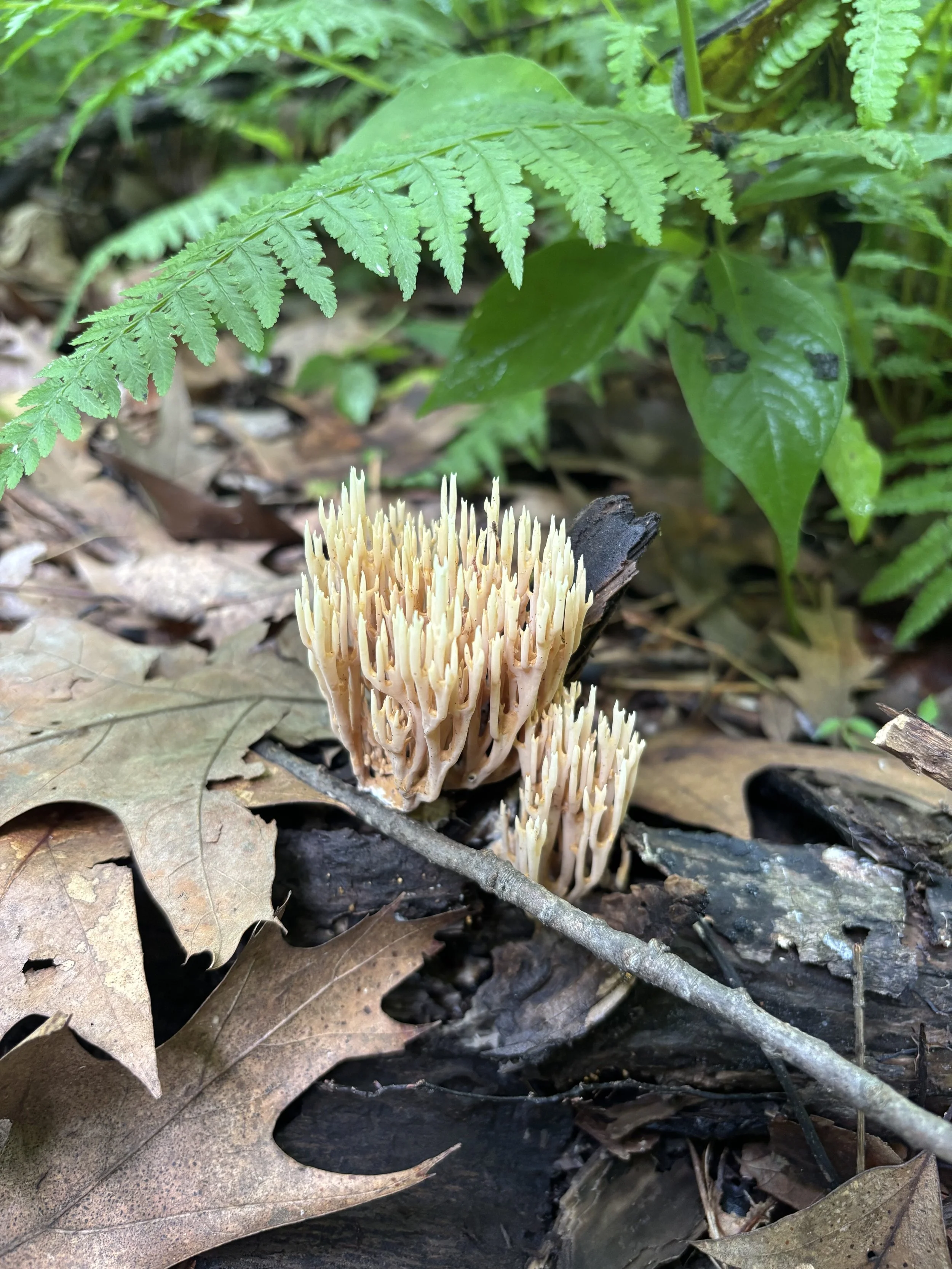
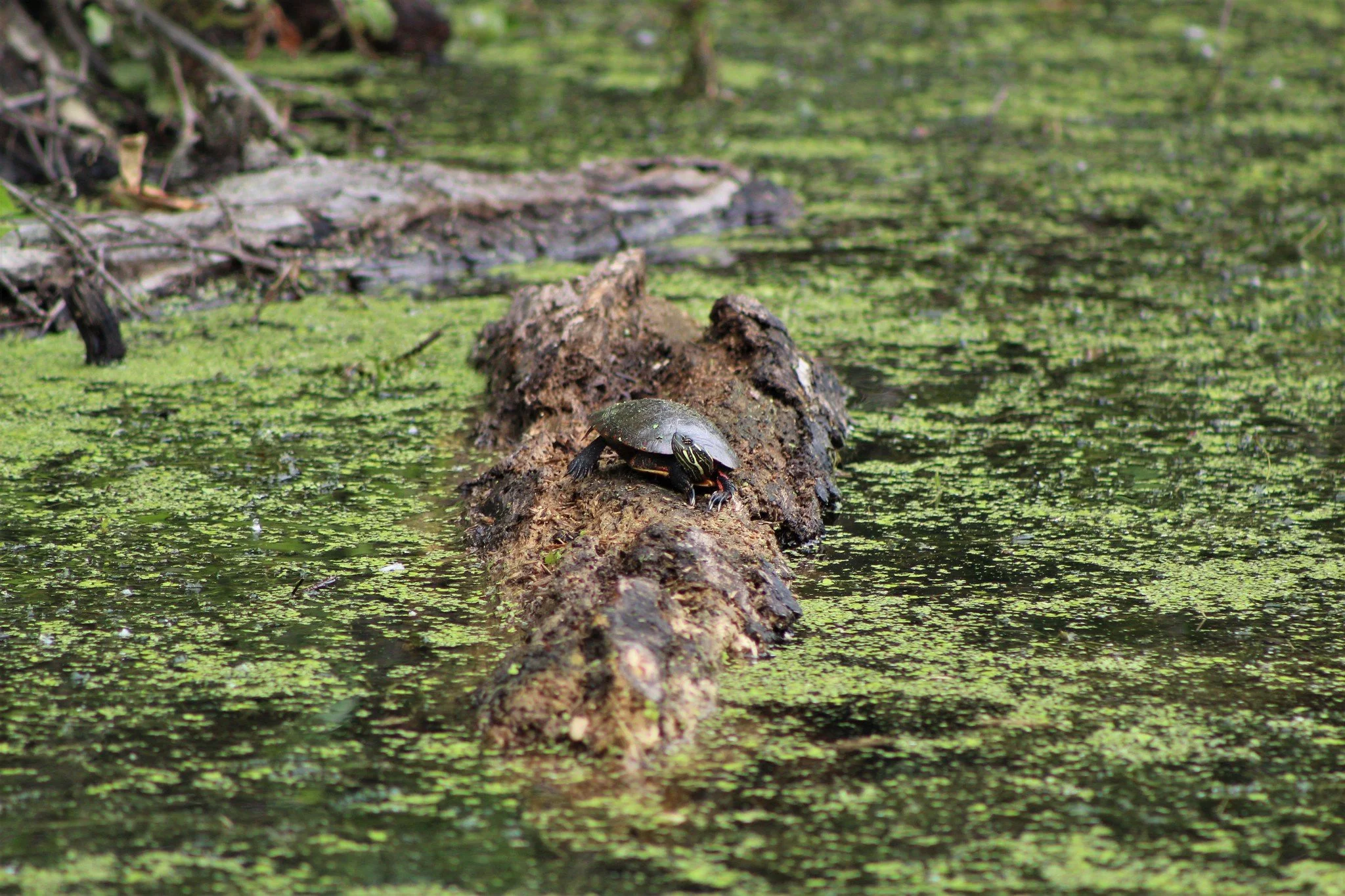
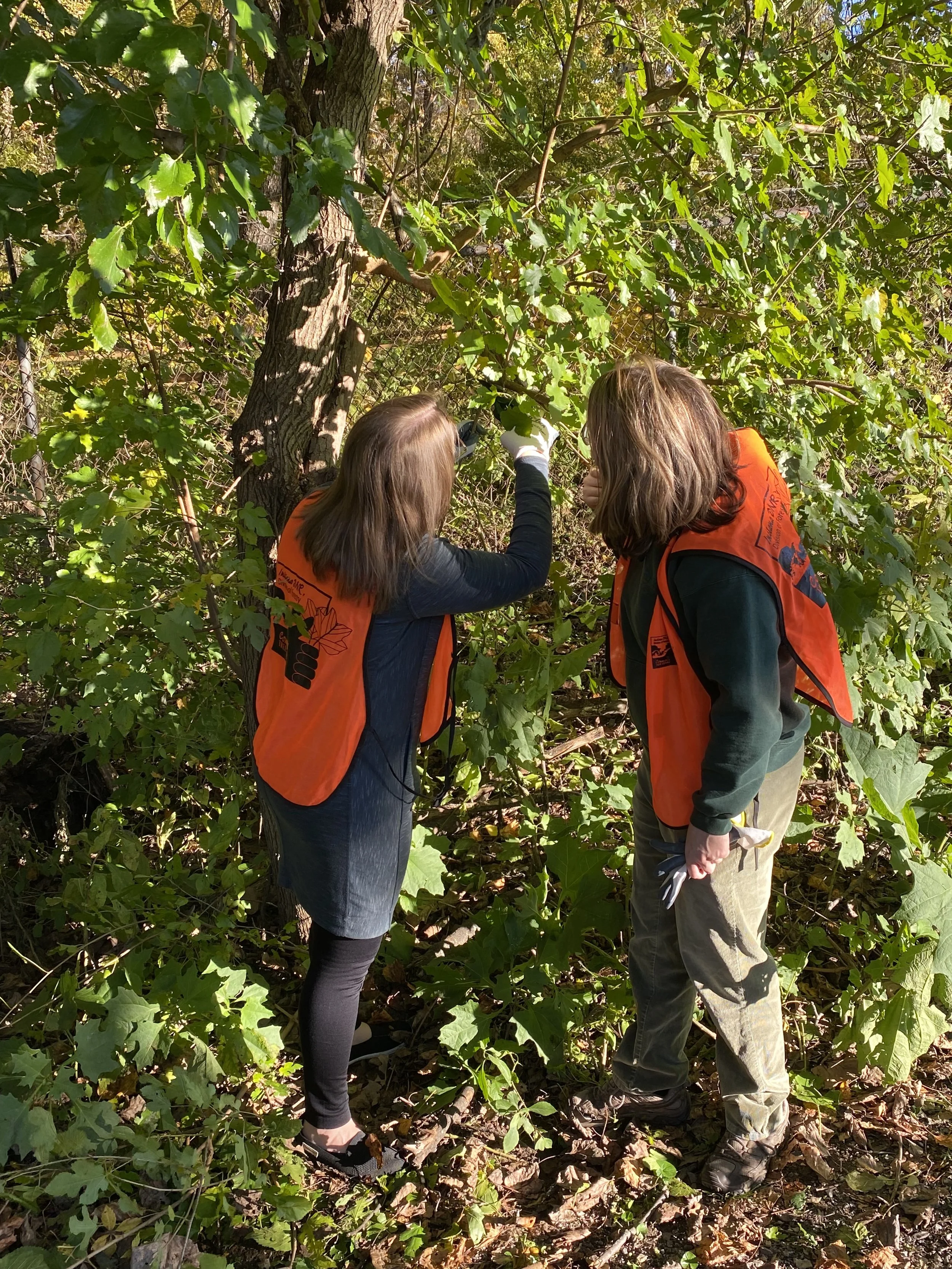
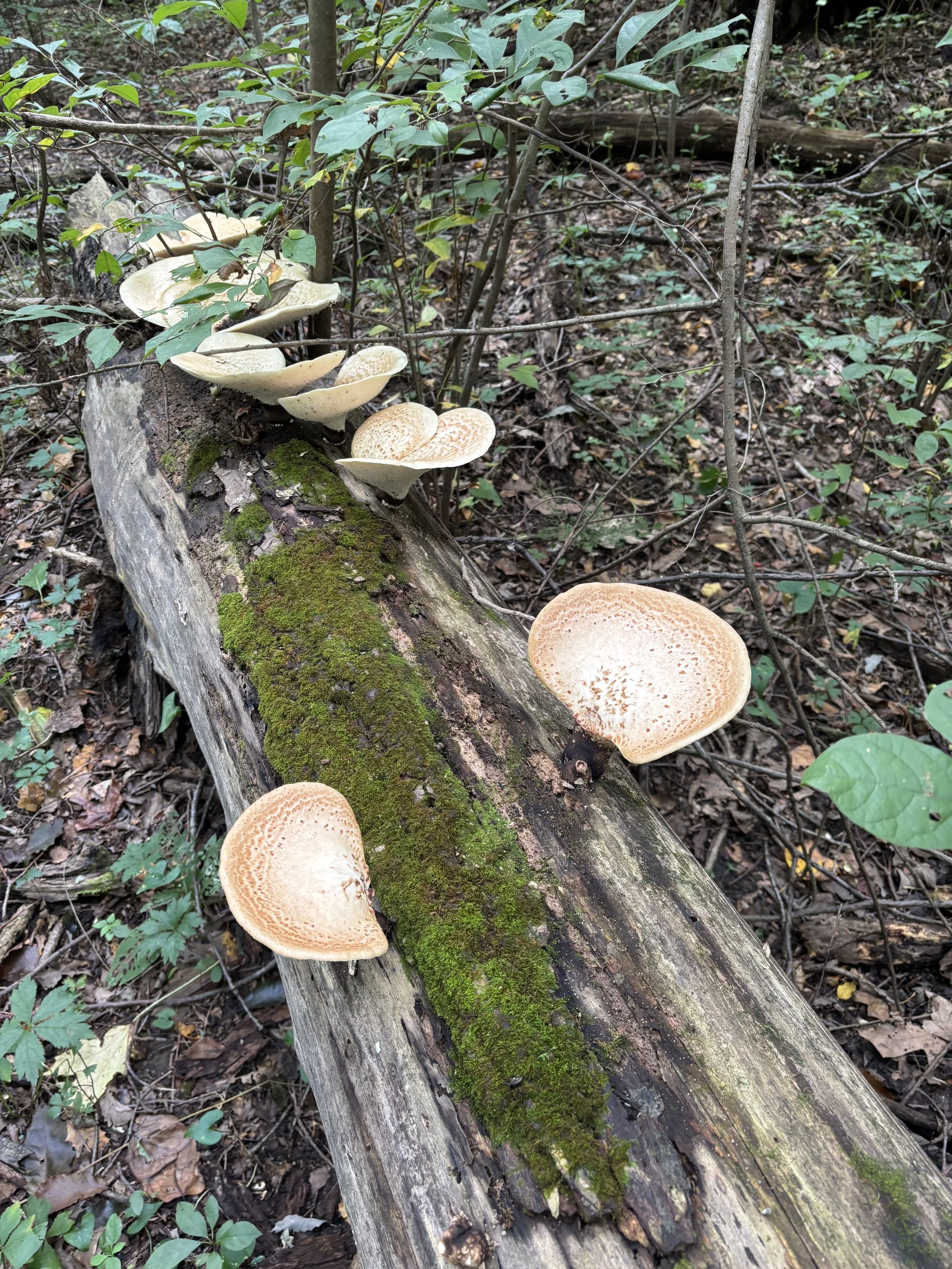
After countless hours of surveying the forest, 2025 was a big year for land management. Perhaps the most significant piece was starting a multi-year project to manage the overabundance of pawpaw and spicebush. Due to high levels of deer browse over the past several decades, these two species have started to crowd out the next generation of tulip, maple, and oak trees.
With the help of our Wednesday Work Crew, we also made significant progress on the removal and eradication of invasive plant species. We targeted large patches of honeysuckle, bittersweet, porcelain berry, among other harmful species. We are excited to take necessary steps to promote the health and longevity of this forest!
2025 Highlights
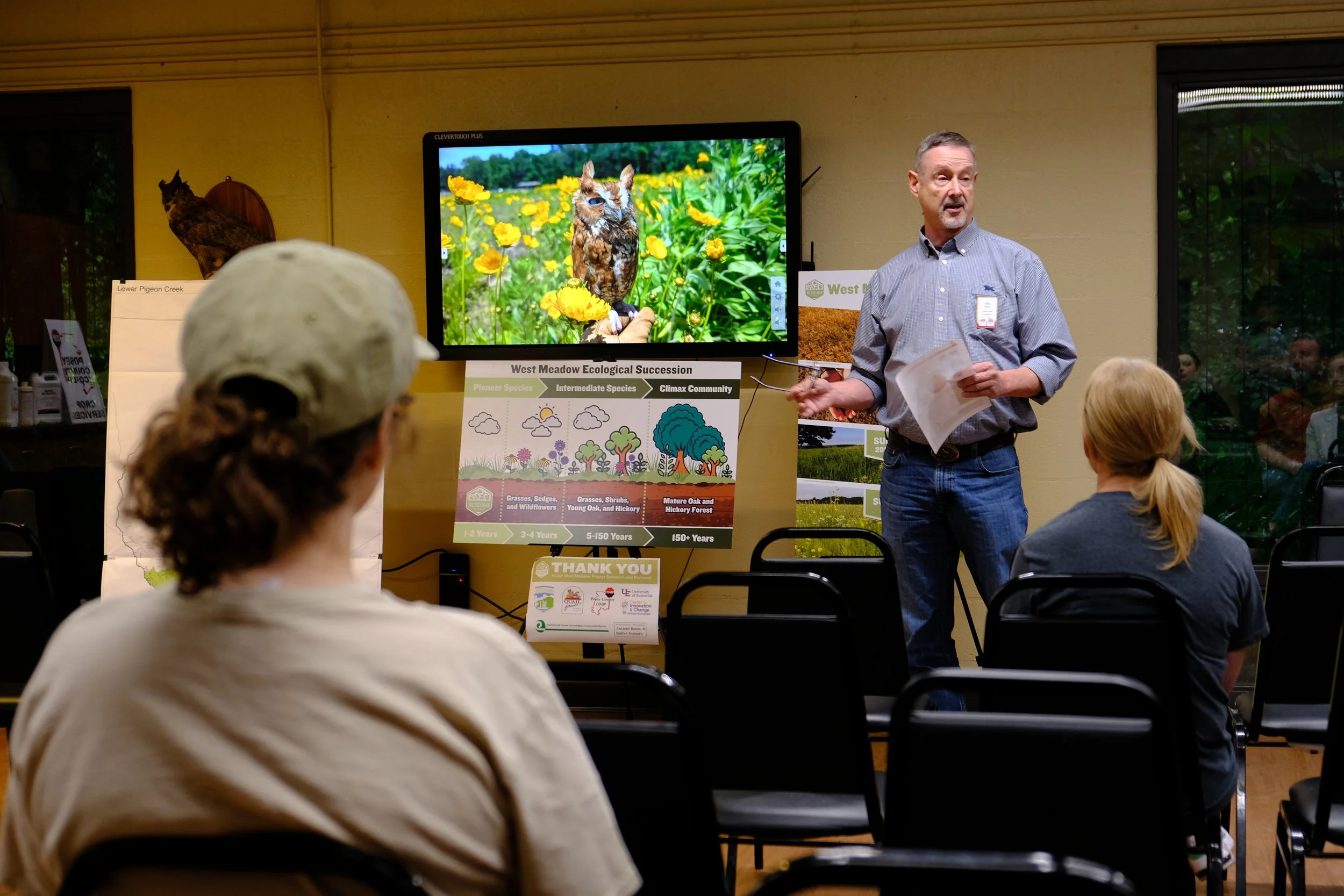
The establishment of the 23-acre “West Meadow” began with the help of Ancient Roots Native Nursery, the Soil and Water Conservation District, Pheasants Forever Quail Forever, and the Evansville Levee Authority.
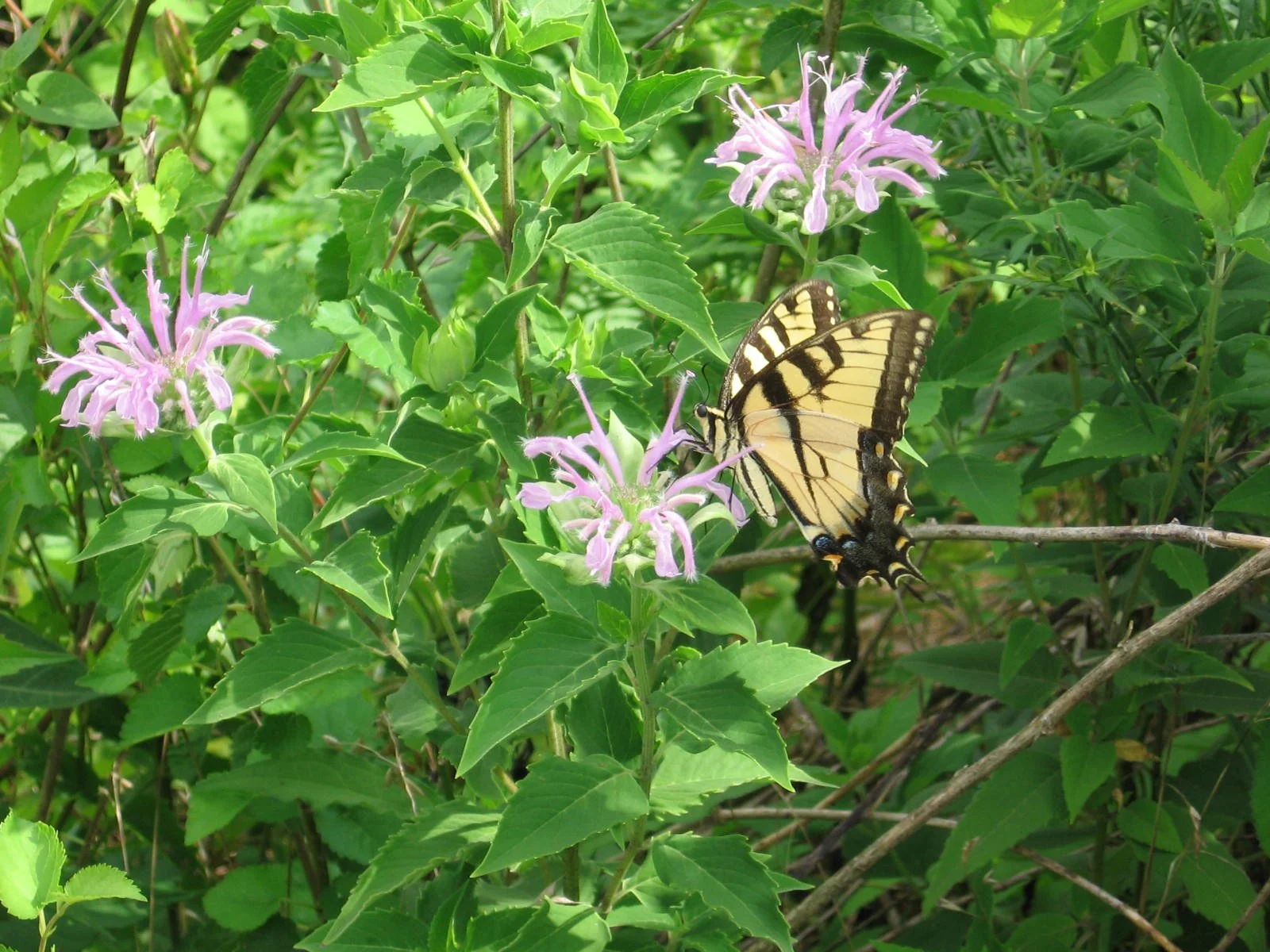
Volunteers helped us hand-plant 300 plugs in the pollinator plot on West Meadow, with over 15 native prairie plant species provided by the University of Evansville ChangeLab.
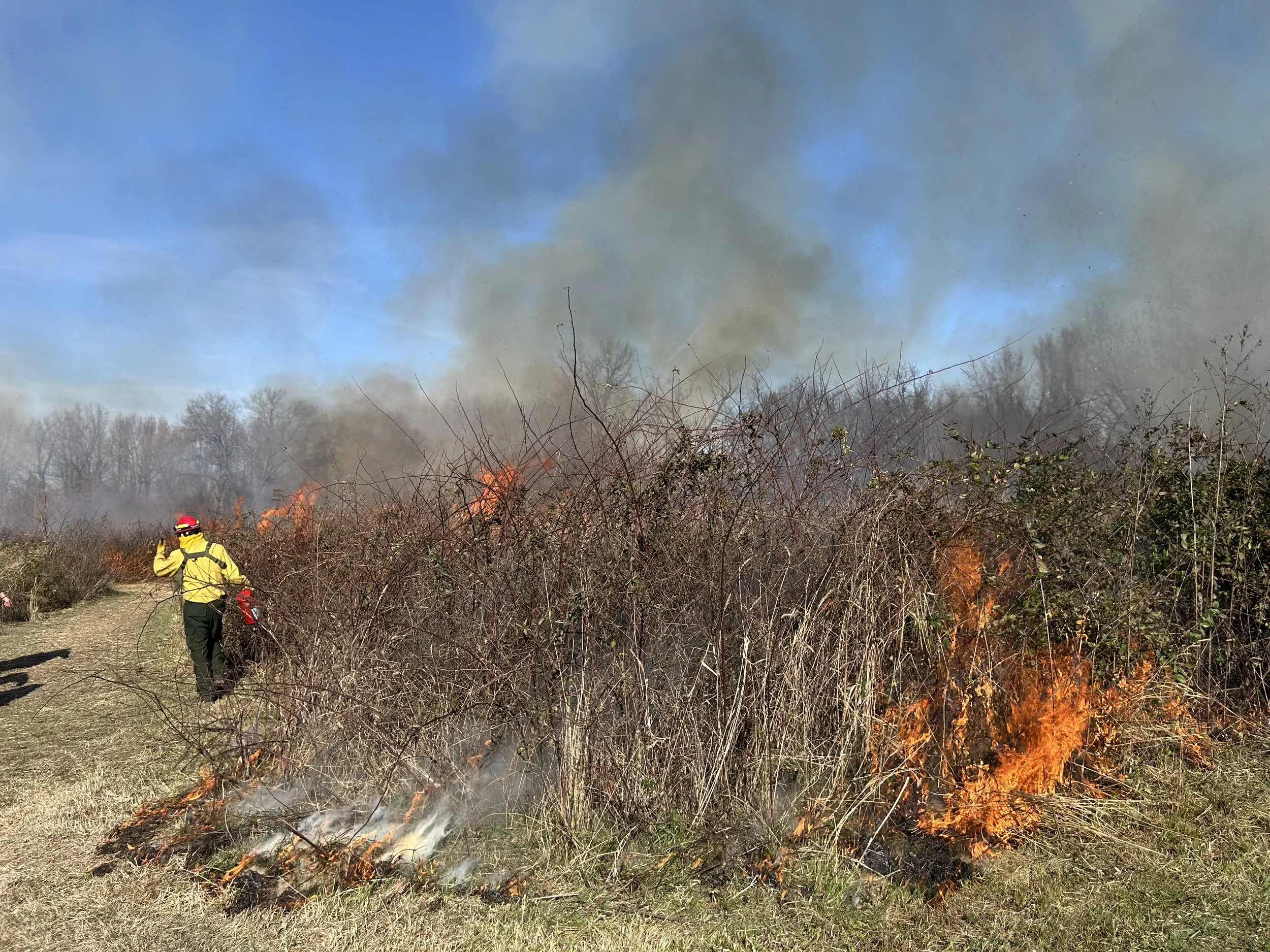
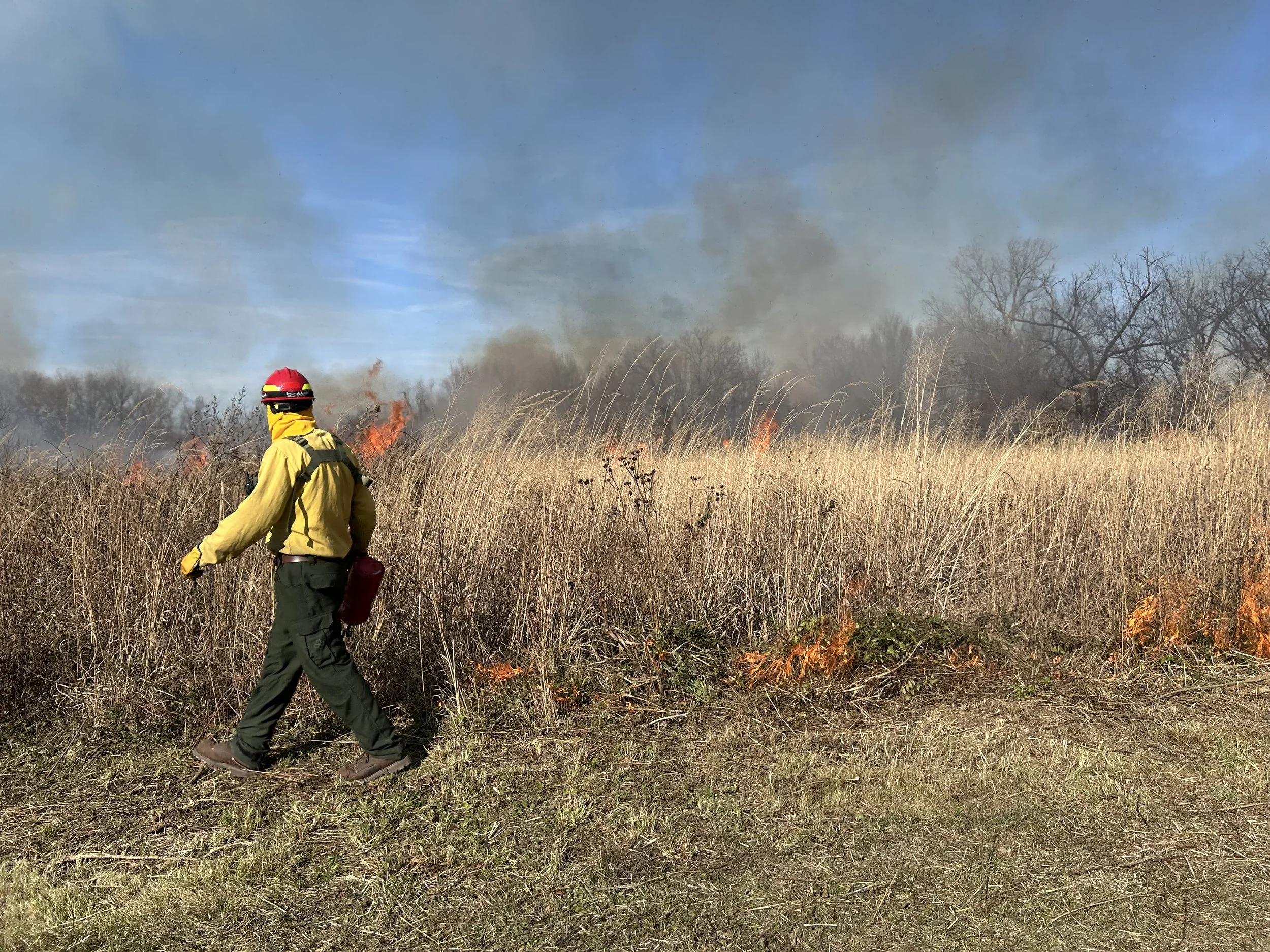
2 prescribed burns took place at the Howell Wetlands prairie.
Late February burn of 1.4-acre southern tract, conducted by Eco Logic LLC
Mid-December burn of 2.2-acre northern tract, conducted by Davey Resource Group
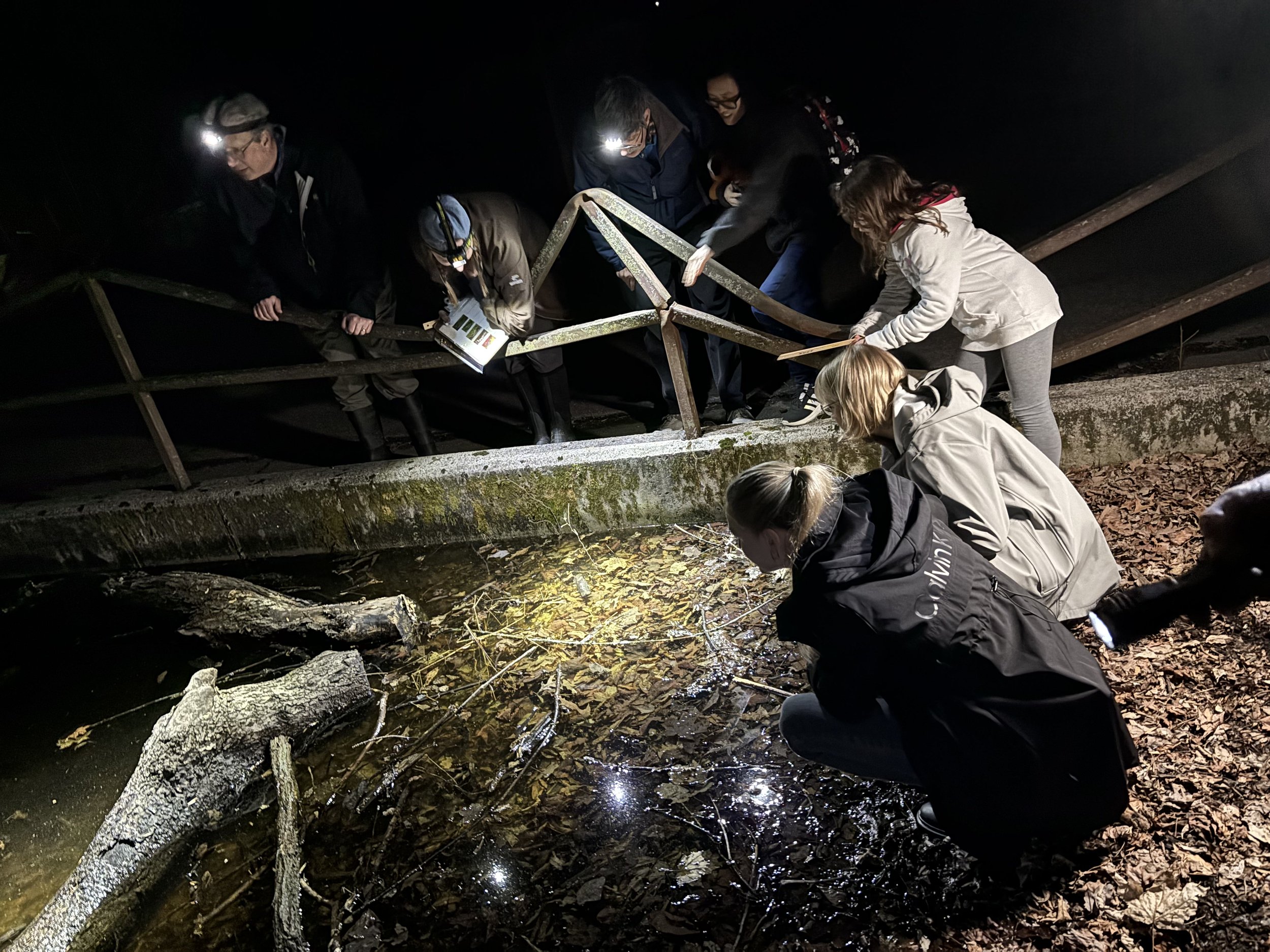
We observed over 150 salamanders during 3 salamander surveys in March, over twice as many as 2024 due to a wet spring.
On one survey, we observed 100 salamanders in two hours (almost one new salamander every minute!)
2 new State Champion Trees were crowned!
Cherrybark oak (Quercus pagoda) 204’ tall, 199” circumference, 126’ crown spread
Mockernut hickory (Carya tomentosa) 133’ tall, 90” circumference, 55’ crown spread
Contracted Eco Logic LLC to treat 2.4 acres of canopy gaps throughout the forest by removing all pawpaw and spicebush and appropriately treating with herbicide.
We will revisit these canopy gaps in 2026 to deploy deer caging around seedlings of oak, hickory, tulip poplar, and more.
Dr. Cris Hochwender of the University of Evansville donated 600 deer cages and hundreds of rods of rebar, totaling $10,000 worth of equipment we can repurpose.
How You Can Help
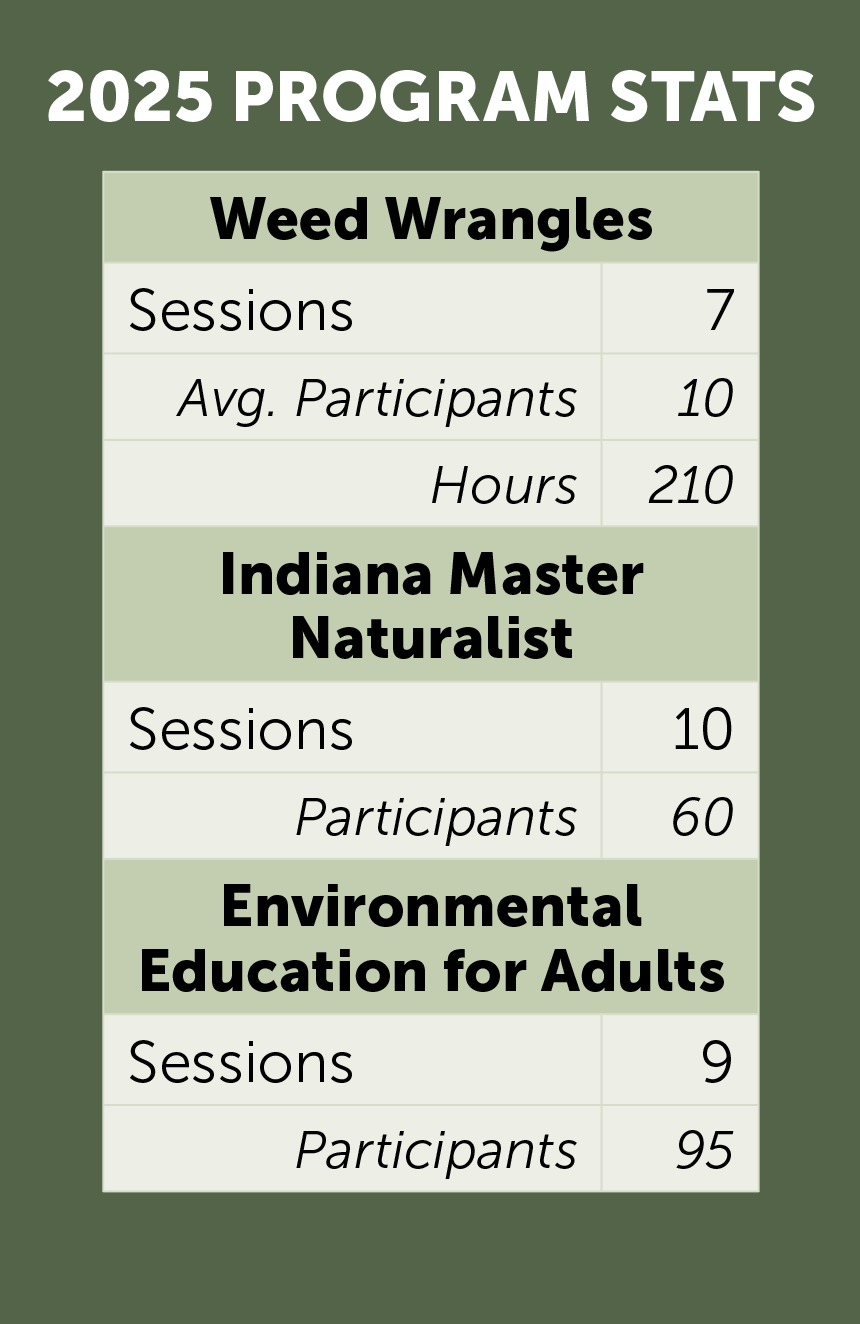
Attend monthly Weed Wrangles to remove invasive species or join Wednesday Work Crew to help us carry out projects ranging from mulching trails and pulling invasive plants to setting up for events and fixing fences.
Consider funding the Natural Resources Fund to help preserve this precious forest.
Support the Natural Resources Fund
The future of our planet hinges on the decisions we make today and your support can pave the way for lasting change. In 1972, the Wesselman Nature Society was established to protect this unique old-growth forest, which was rapidly deteriorating due to a lack of proper management.
Securing Wesselman Woods for future generations requires increased efforts to regenerate its majestic 300-year-old trees and reforest newly acquired lands adjacent to the preserve. In 2025, we are proud to launch the Wesselman Woods Natural Resources Fund. This initiative will help sustain essential staffing for trail maintenance, invasive species management, and the cultivation of a thriving forest ecosystem that boasts over 50 species of trees.
Join us in creating a lasting legacy for generations to come. Consider including the Wesselman Woods Natural Resources Fund in your planned giving or donate today!
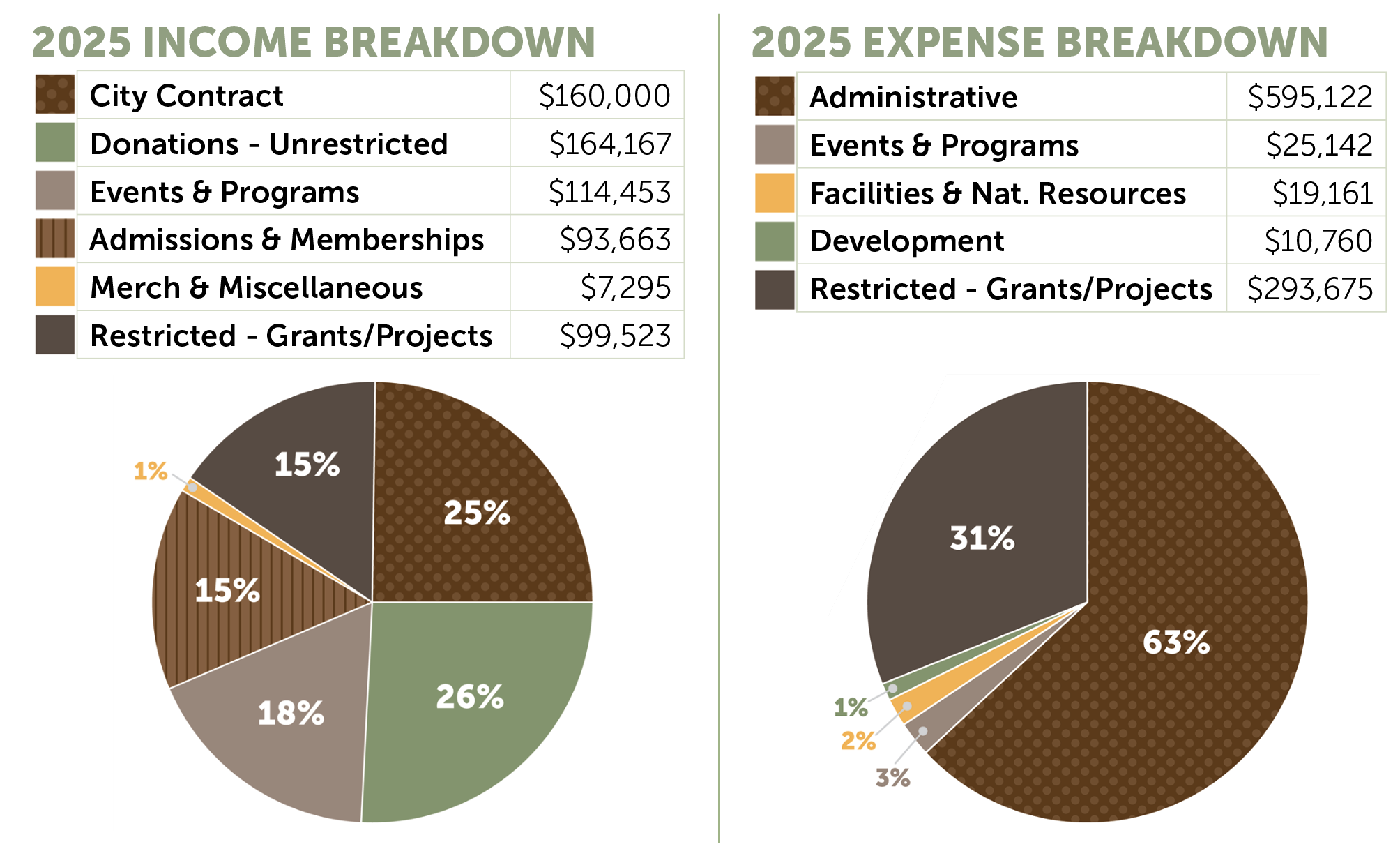
Our financial report provides a transparent breakdown of the organization’s income and expenses for 2025.
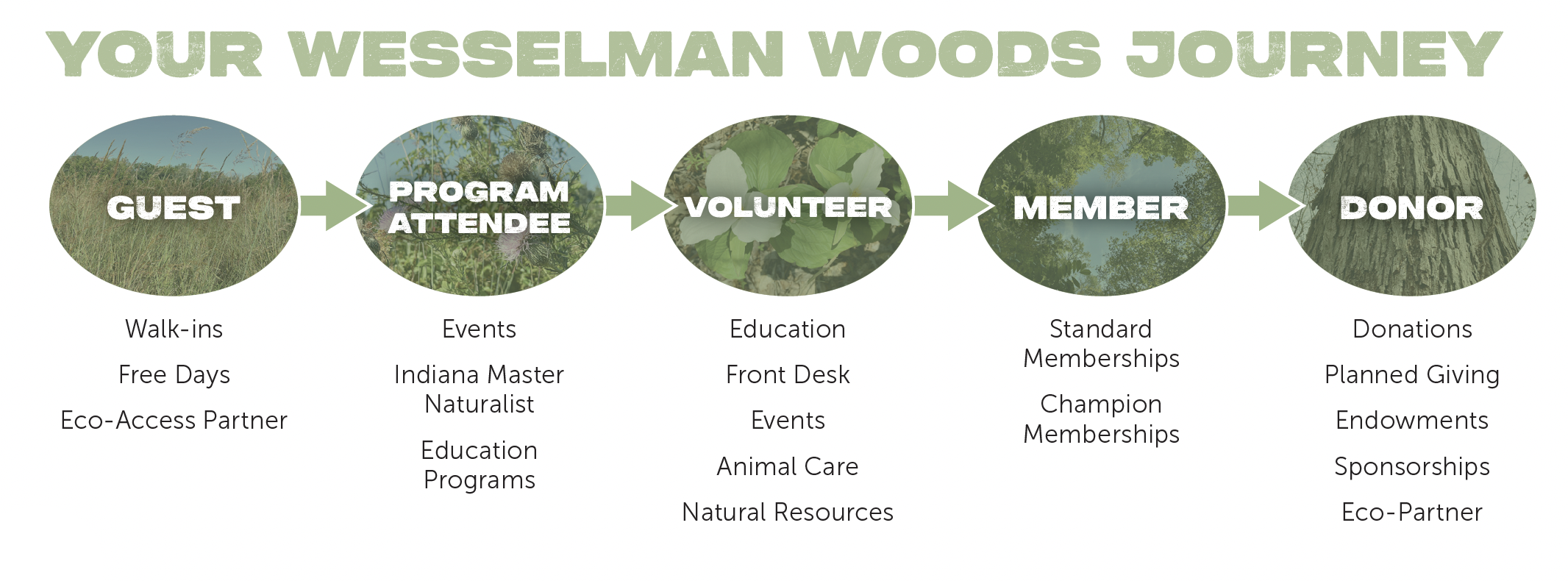
At Wesselman Woods, stewardship often begins with a single visit but it rarely ends there. In 2025, we continued refining the journey individuals take to deepen their connection to nature, conservation, and community over time.
For some, that journey begins as a first-time guest exploring our trails on a free-admission weekend. For others, it starts through a class, festival, or educational program. As connections grow, many choose to give back by volunteering their time, becoming members, supporting special initiatives, or investing in the future of this rare forest through philanthropy.
This journey reminds us that conservation is not built by one-time interactions, but by lifelong relationships. Every guest, volunteer, member, sponsor, and donor plays a vital role in protecting this living museum for generations to come.
Every visit to Wesselman Woods is more than time spent in nature—it is an investment in conservation, education, and community. Through daily admissions, free-access initiatives, and annual memberships, thousands of individuals and families helped ensure this forest remains both protected and accessible.
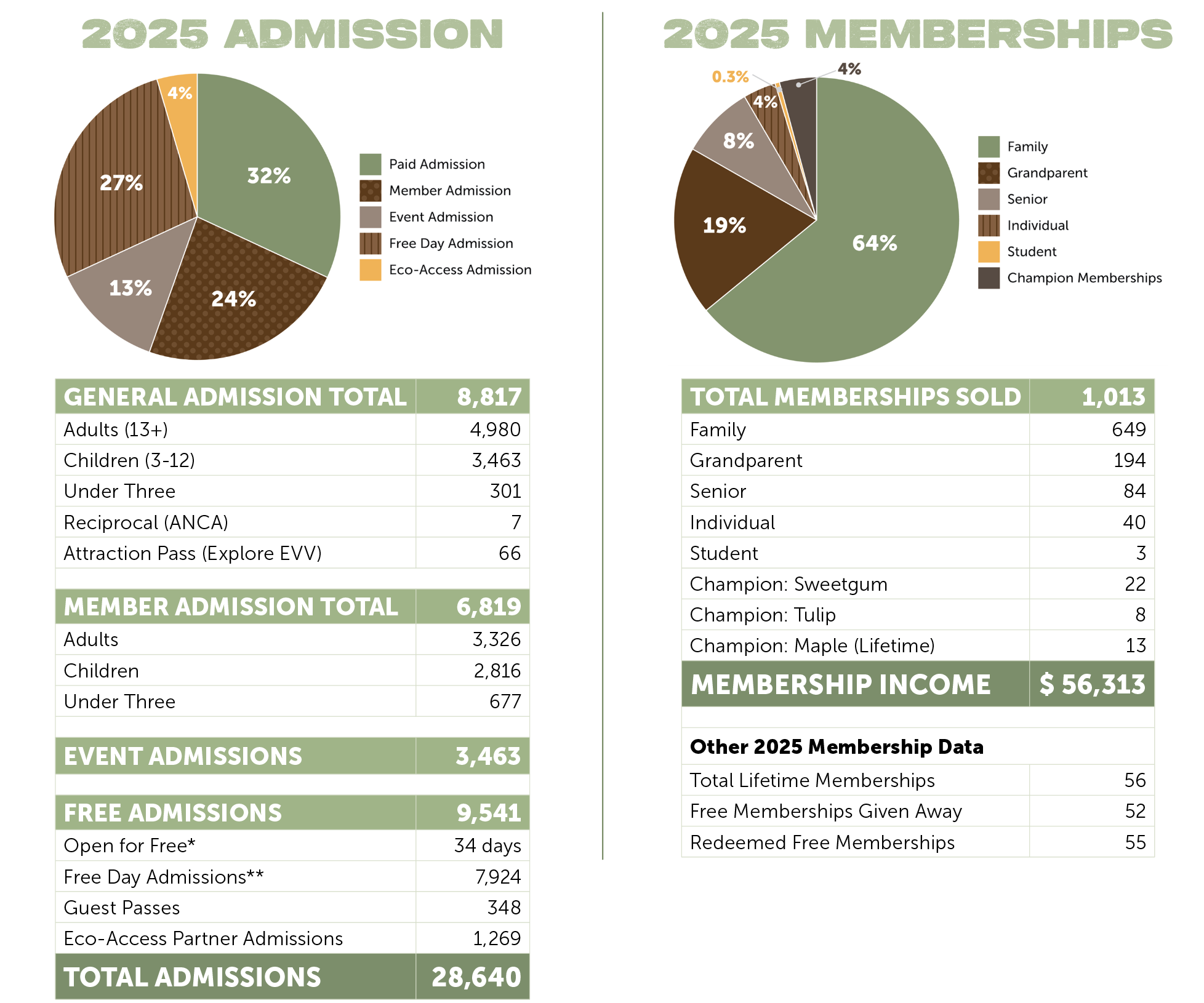
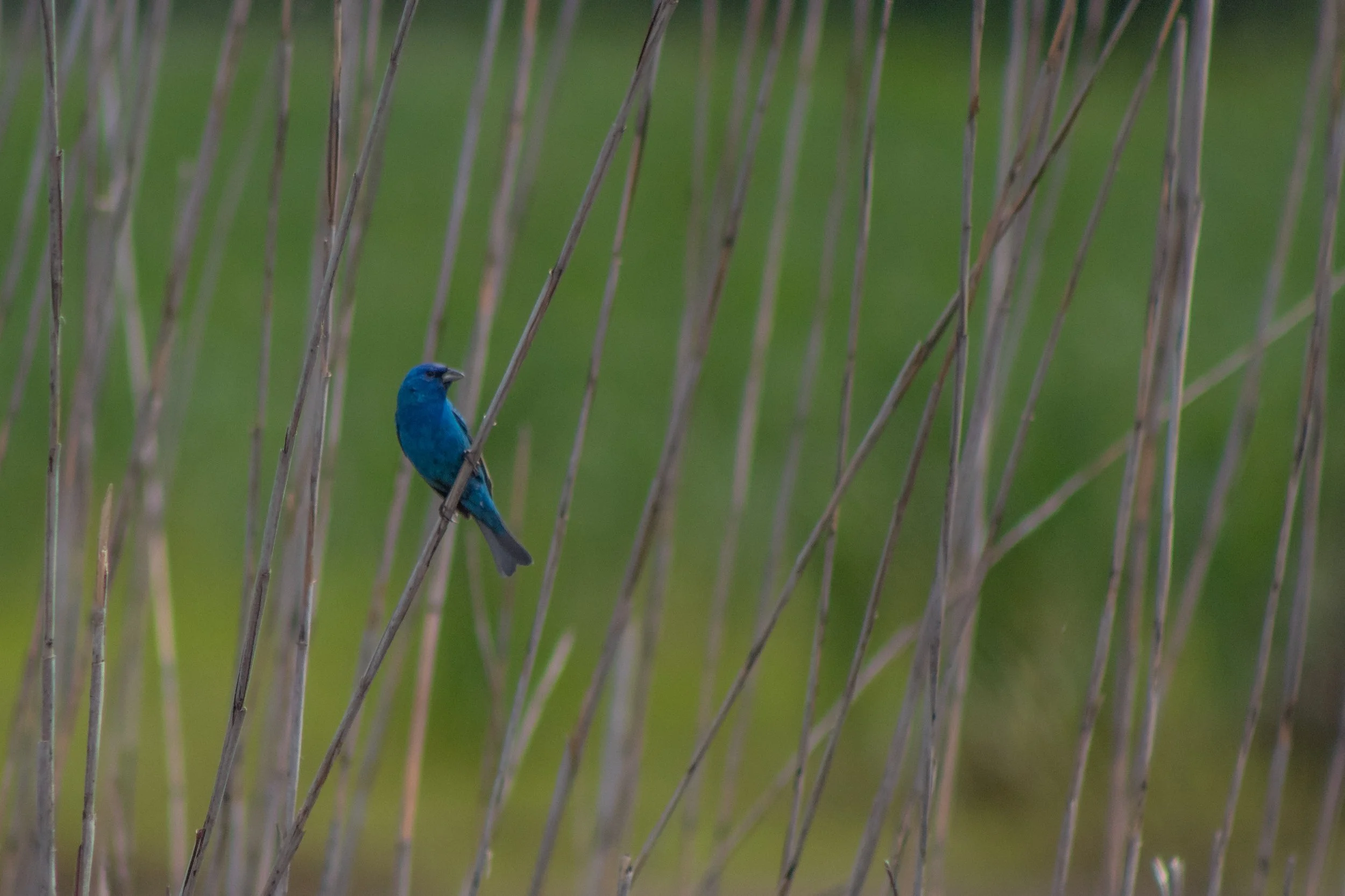
Photo by Isaac Morris
Lifetime Members have made a lasting commitment to Wesselman Woods through their generous investments. This meaningful contribution reflects a deep understanding of the expenses required to preserve and protect this ancient forest, ensuring its beauty and vitality endure for generations to come.
Cathy Arwood and Larry Burden*
Alexander and Kristina Arwood
Leslie Ashley
Matt and Bobbie Bernhardt
Tom and Pamela Bernhardt
Don Bollinger
James and Sandra Brenneman
Wilfred III and Phyllis Bussing
Carol Christman
Michael “Riverside Mike” Close*
Diane Nicholson Combs and Kenneth Combs
David Diaz
Dan and Susannah Dickman
Ruth Dobbs
Brad and Annette Drinnon
Melissa Fehsenfeld
Cindy and Marc Fine
Edward and Mary Anne Fox
Linda Garrett
Robert and Deborah Goldman
Jim and Carleen Grossman
Jingle and Chandler Hagey
Zach and Christina Hamby
Carrie Tank and Kevin Hatfield
Sheila Huff
Chadd and Briana Huffman
Robert and Ruth Kalt
Margaret and Kevin Koch
Shannon Lamb
Debra and Philip Lichtenfels
Anna and William Lismore
Davie Sue and Richard Litov
Thomas Magan
Jane and James Magary
Kimberly Martin
Ellen Topper and Cody Matsel
Aaron and Lisa Megal
Eula and Darrell Megli
Drew Miles
Jeff and Robin Nunn
Jeanne Nussmeier
Kathleen and Chris Pettijohn
Steve and Nikki Pritchett
Jerry and Nancy Rairdon
John Rosenberg
Heather Russ
John and Diane Schroeder
Kenan and Debbie Schultheis
Torrey Sweetser and Earl Smith
Stacy Stevens
Amy and Bob Tank
Will and Tracy Tank
Adam and Jan Unfried
Michael and Deb Vannatter
John and Mary Wolk
* Denotes deceased

Every day, we hear heartfelt stories from individuals who fondly recall playing in these woods as children. We aim to preserve this experience for generations to come. By including the Wesselman Woods Old-Growth Legacy Fund in your planned giving, leaving a lasting impact.
Old-Growth Legacy Champions are those who have generously left a gift to Wesselman Woods and Howell Wetlands, ensuring future generations can continue to appreciate and admire these unique natural wonders.
If you have included Wesselman Woods in your estate planning and your name is not on this list please contact Kristina Arwood, Co-Executive Director, so you can be remembered in the future.
Karen Caruso
Margaret Dennis
Melvin L. Dickhaut*
George & Dorothy Eykamp*
Neil V. Jones*
Kenneth P. McCutchan*
Ellen McCutchan*
Deborah J. Marchand*
Edwin M. Marks*
Marjorie A. Marks*
Alice G. May*
Jerry Rairdon
Frederick B. Riechmann*
Evelyn O. Sanders*
Susan D. Satram*
William Walker*
Harold A. Waninger*
Johnnie Williams
* Denotes deceased
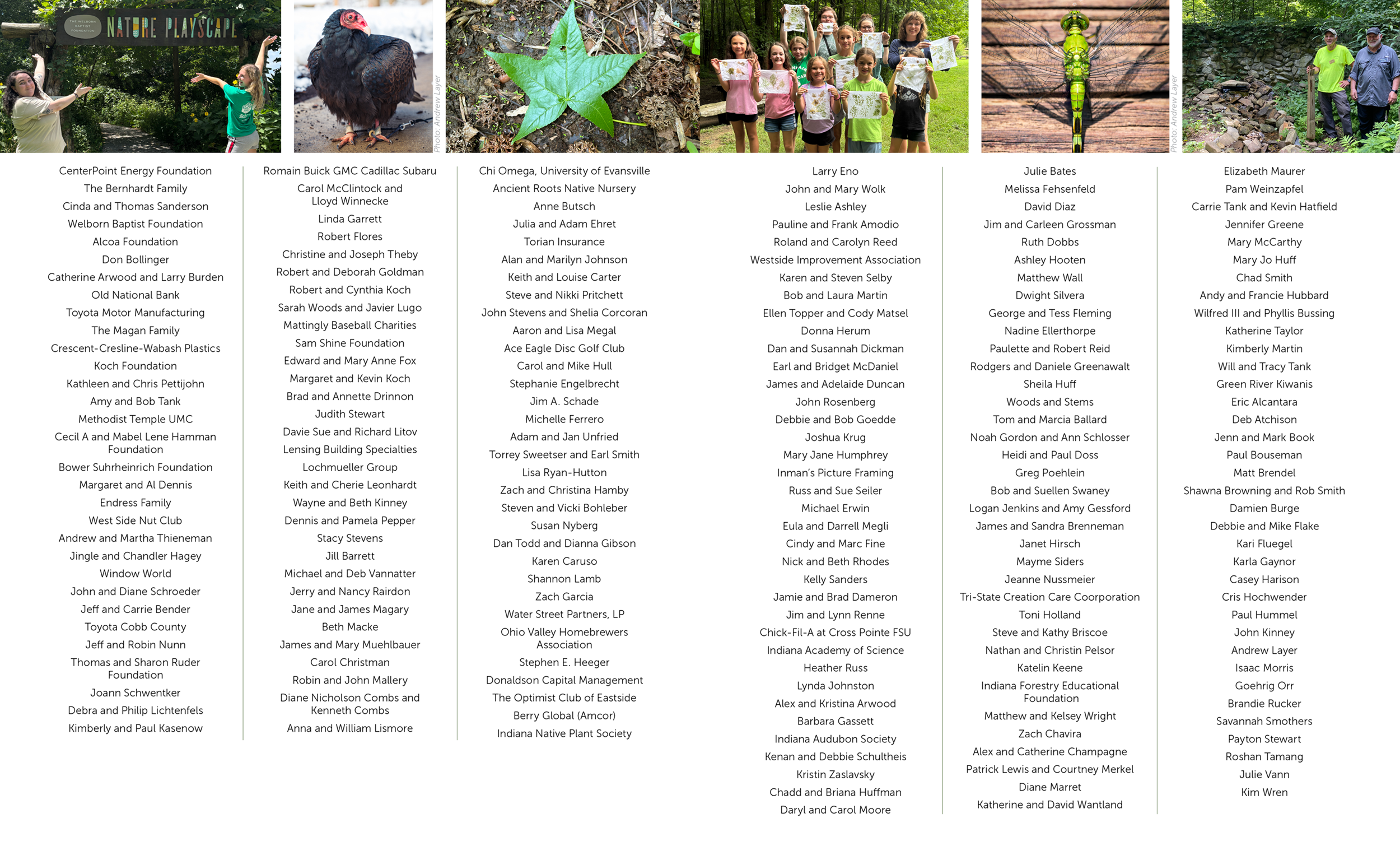
Eco-Partners are individuals and organizations who transition from simply enjoying the benefits of this natural resource to actively investing in its preservation. By financially partnering with Wesselman Woods, they contribute to protecting this extraordinary National Natural Landmark and fostering its mission to expand environmental education.